Santa Post Explained: Where Letters Really Go
A child mails a wish to the North Pole. Somebody human opens it. The story of who that somebody is, and why the reply matters.
A child mails a wish to the North Pole. Somebody human opens it. The story of who that somebody is, and why the reply matters.
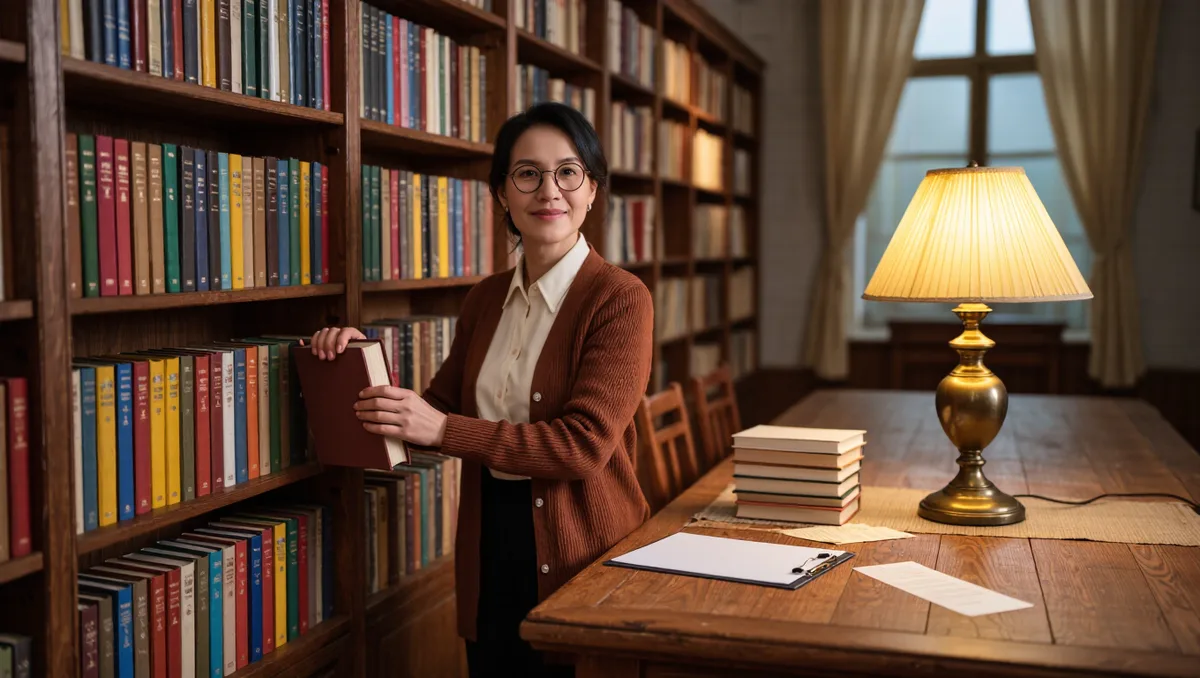
Why challenges to school and library collections are really arguments about what a community is — and how communities answer them.
Alain de Botton's first book blurred the line between novel and essay, and readers have expected books about feelings to think as well as confess ever since.
A Trappist monk who wrote more than fifty books from a quiet Kentucky abbey still asks a noisy world the harder questions.
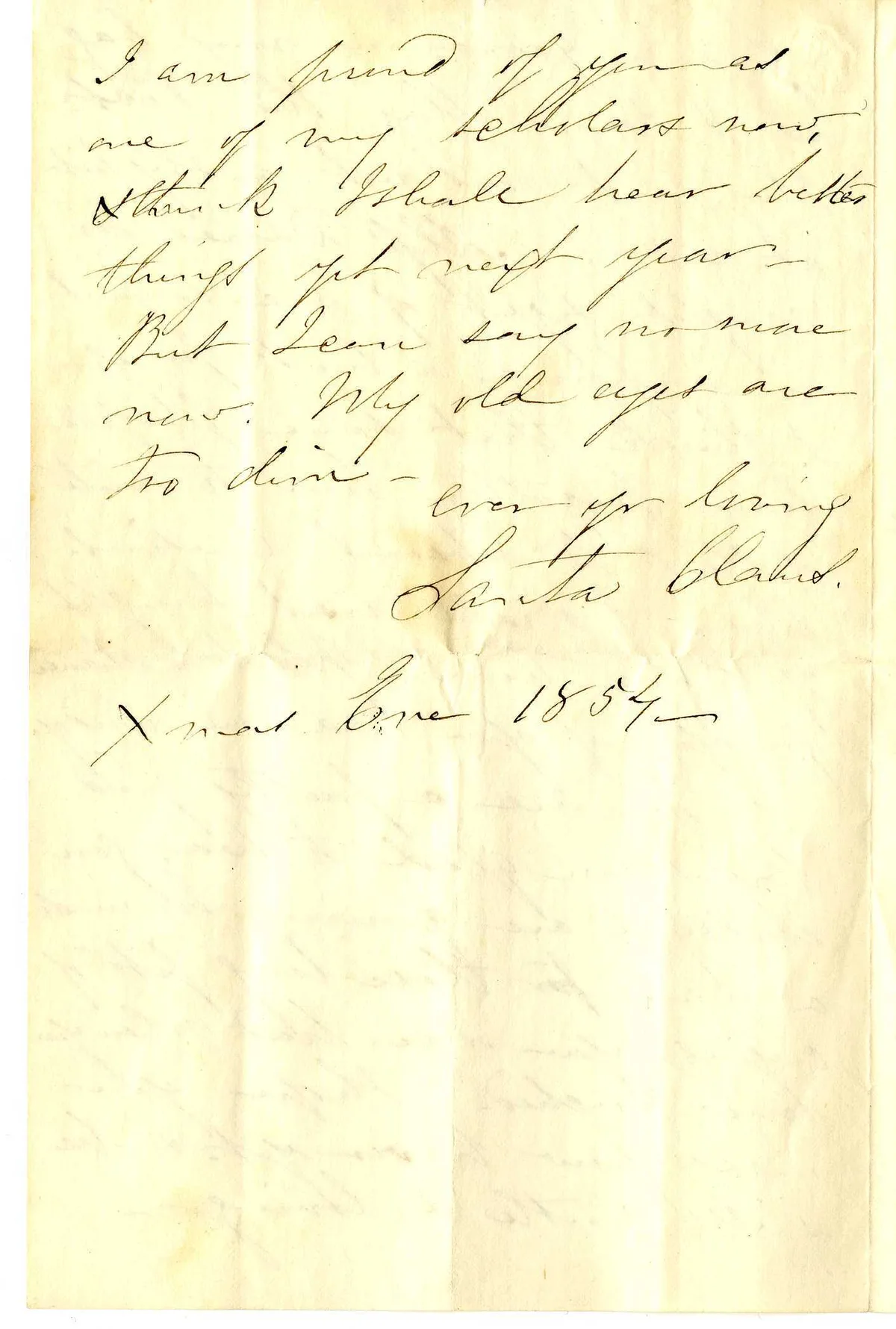
The yearly wish list can be more than a list — treated as a child's first real composition, it becomes a keepsake worth keeping.
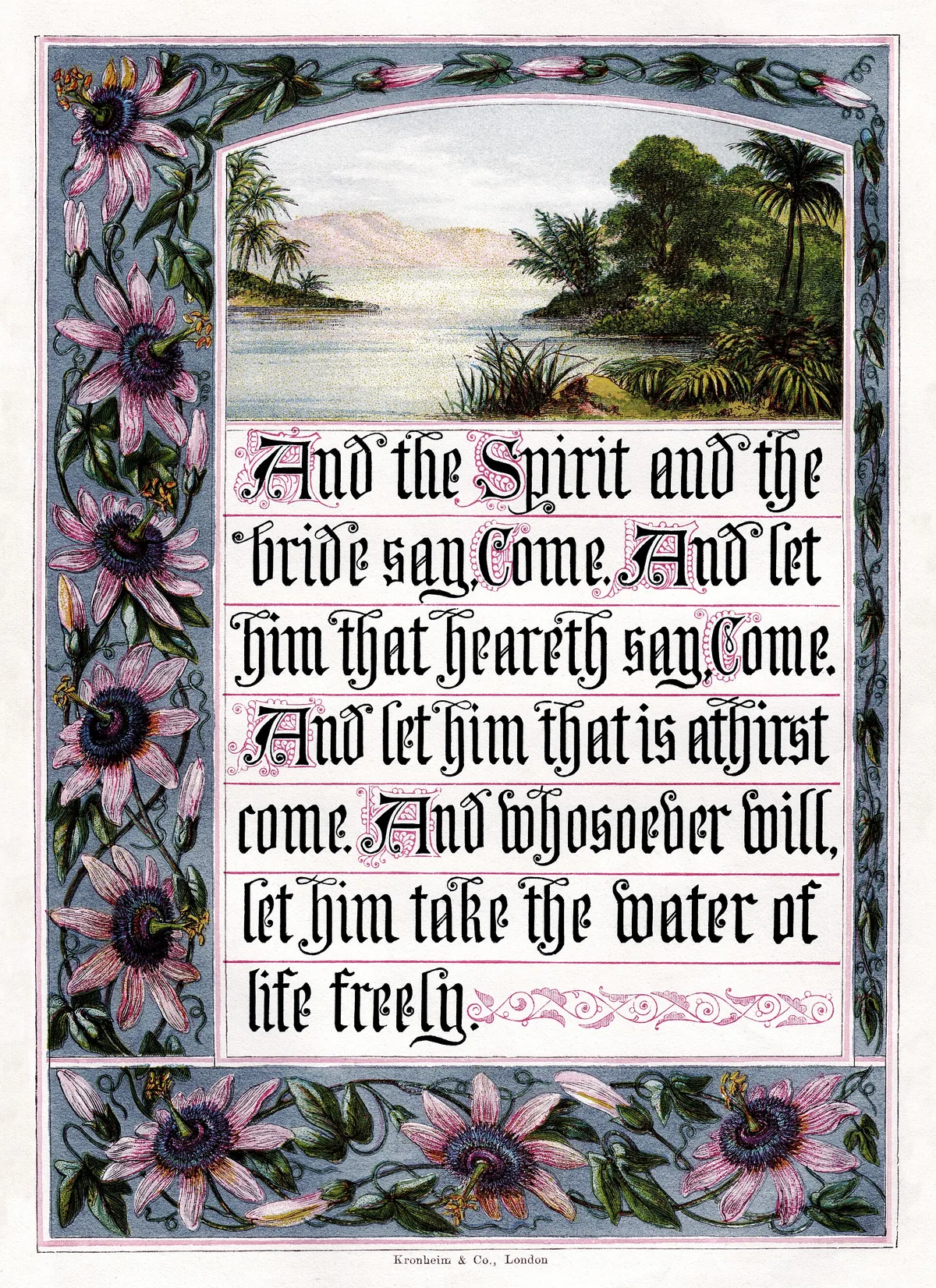
Revelation is a letter, an apocalypse, and a prophecy at once. Learn its genres, symbols, and history, and the last book of the New Testament starts to read clear.
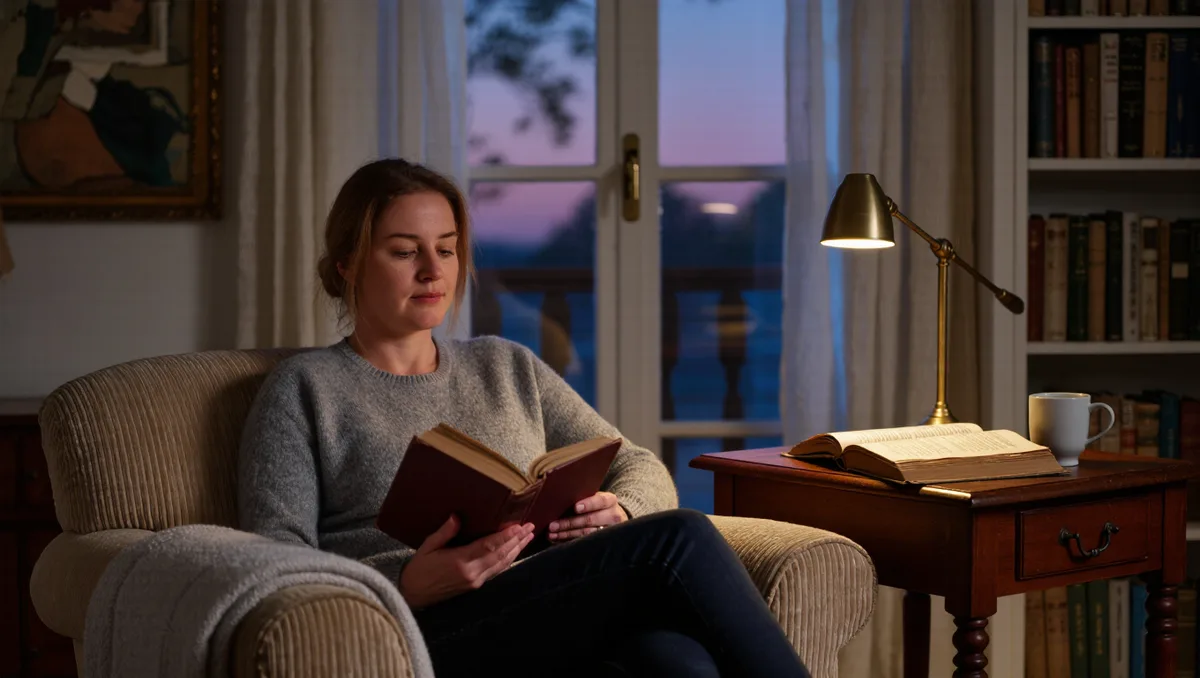
Light, sound, and a repeated cue can do more for a reluctant reader than any lecture about screen time.
Celia Laskey's title does half the work — and the word 'cover' does the rest.
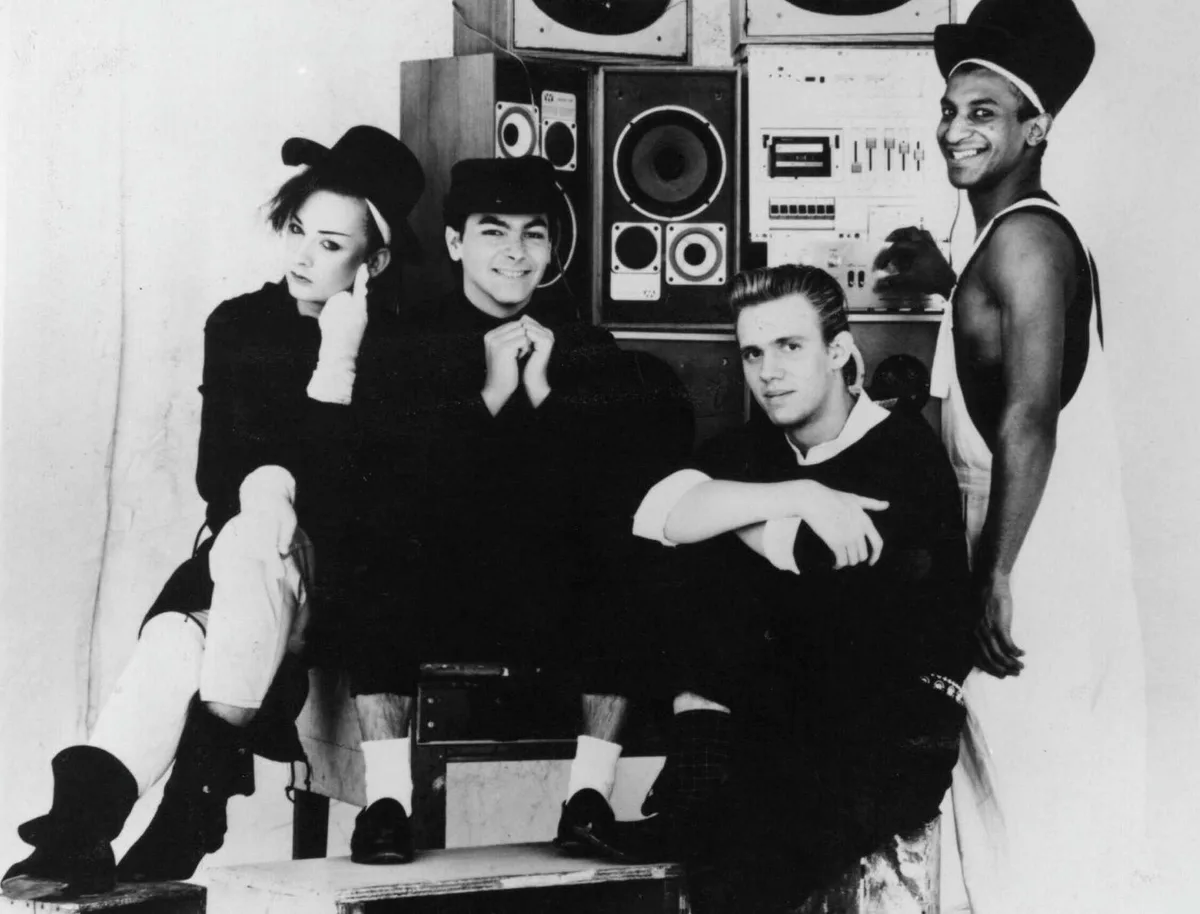
A band built on image, hooks, and reinvention keeps finding new audiences — and the reasons say a lot about how pop culture works.
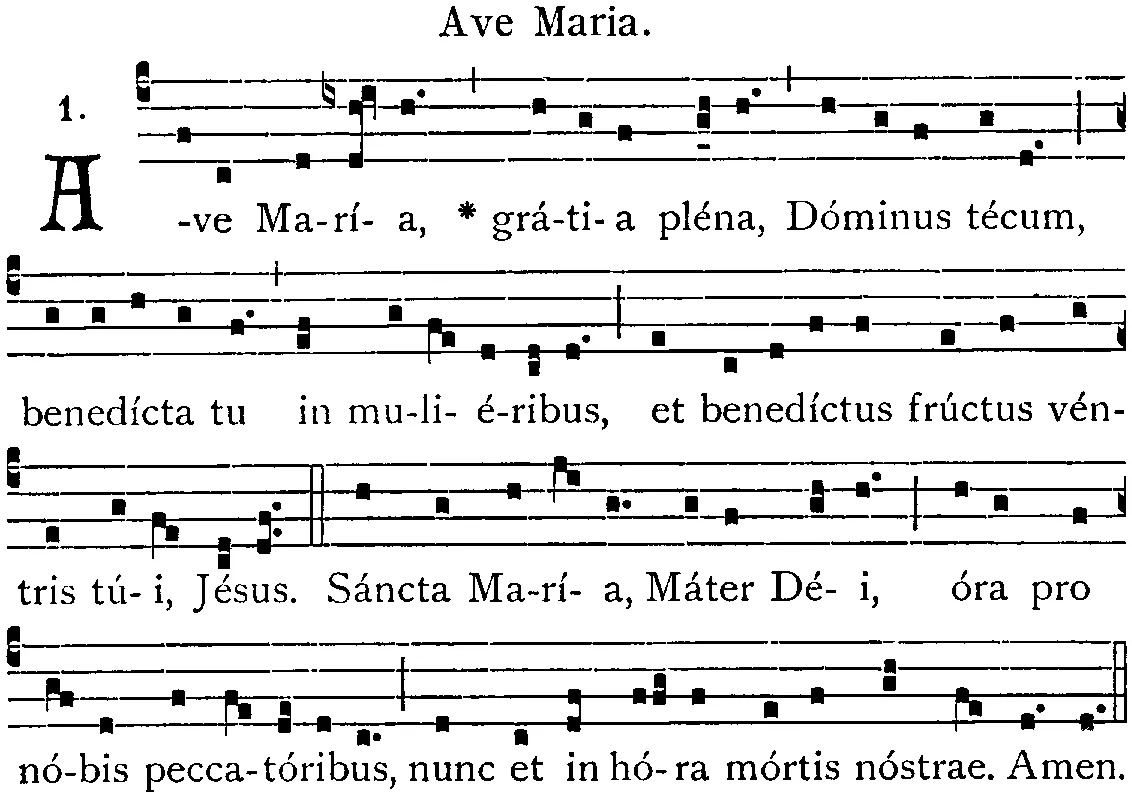
Gregorian chant gave Western music its notation, its modes, and its first harmony. Here is why the Church still calls it the music most suitable for worship.
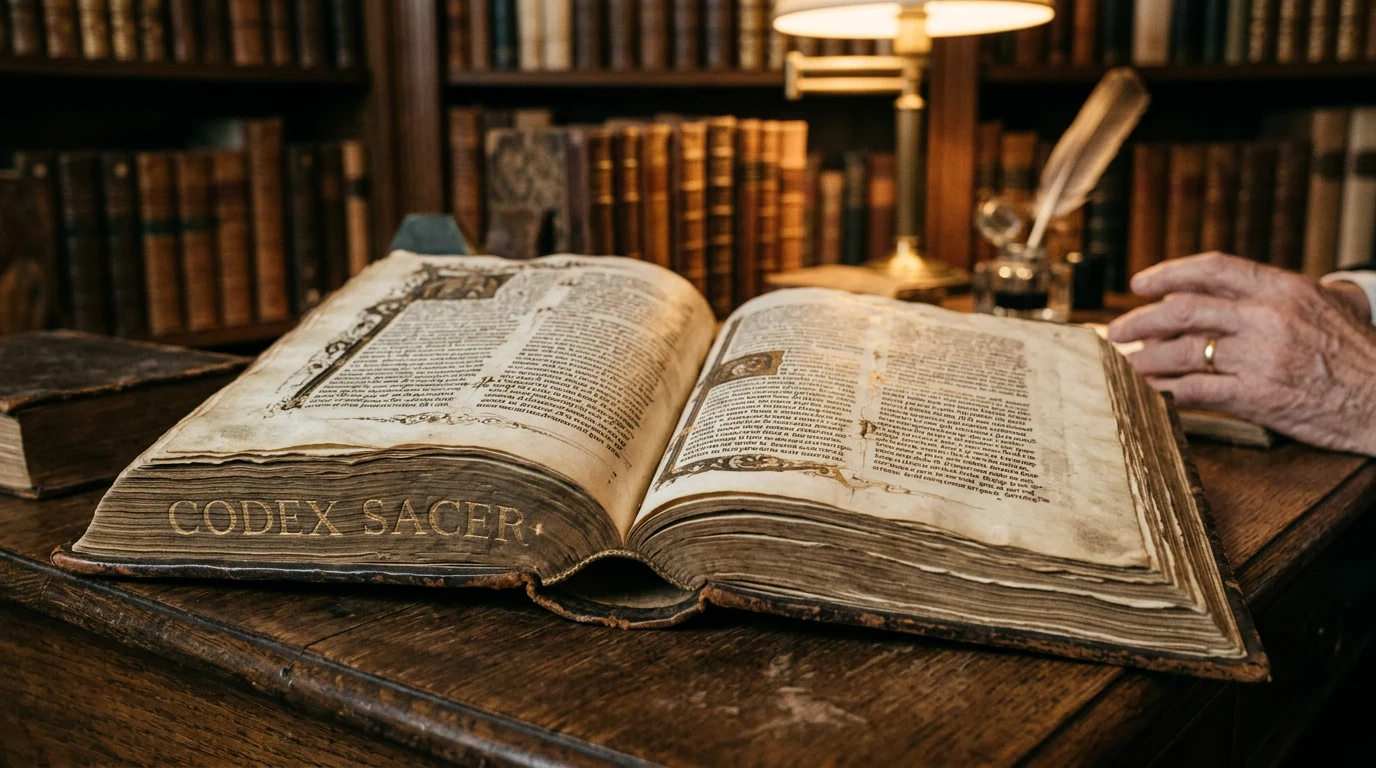
The Mishnah, the Gemara, six orders, two versions, and a page layout unchanged since a sixteenth-century Venice printer — plus where to start reading it, free, in translation.
The Mahabharata and the Ramayana present themselves as already retold, which is why every era from Kamban to the present adds its own telling instead of replacing one.
Prints, fairs, and galleries: a first-time buyer's guide to building a collection without a collector's budget.
Begin with the 1948 autobiography everyone quotes and the one contemplative book nobody outgrows — the reading order, editions named.
The application essays that survive a long reading day share habits, not topics — and most of those habits are older than the application itself.
Where to start with the man who invented the personal essay, without drowning in editions.
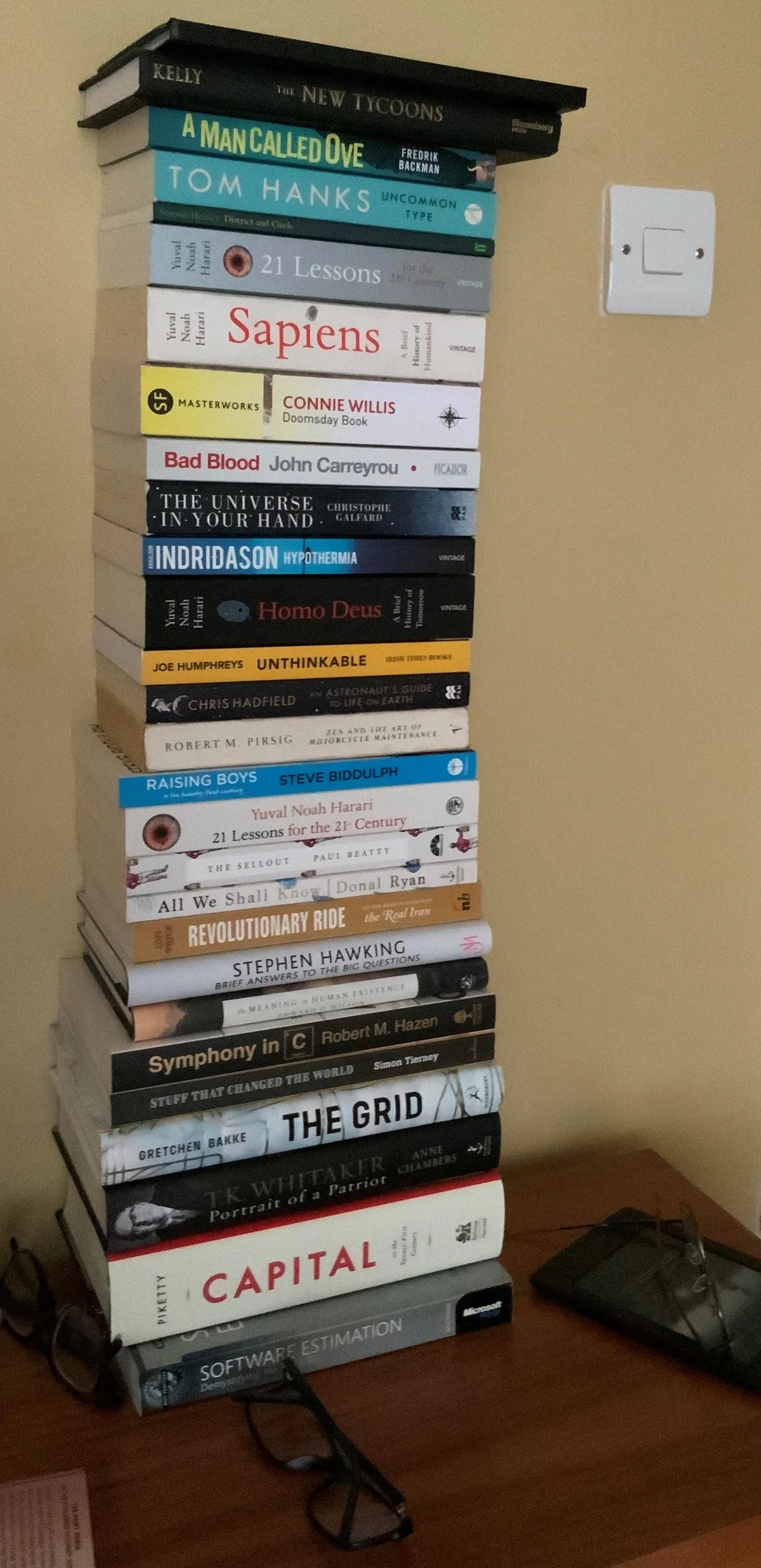
There is an old word for the pile of unread books, tsundoku, and a serious argument, the antilibrary, for why unread books may matter more than read ones.

Distance, passes, and the discipline of reading your own work as if a stranger wrote it.

Two centuries on, Charles Lamb's borrowed persona still teaches writers what the essay form is for.
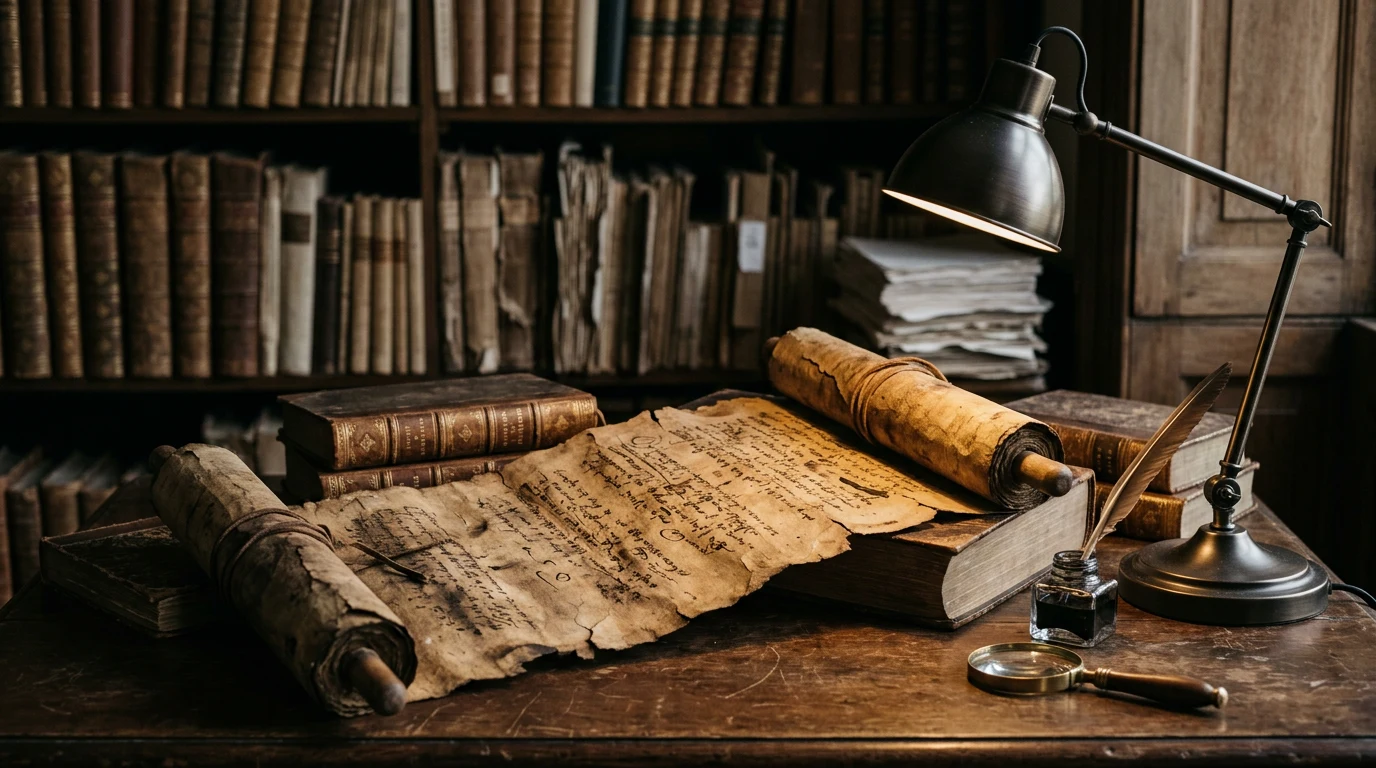
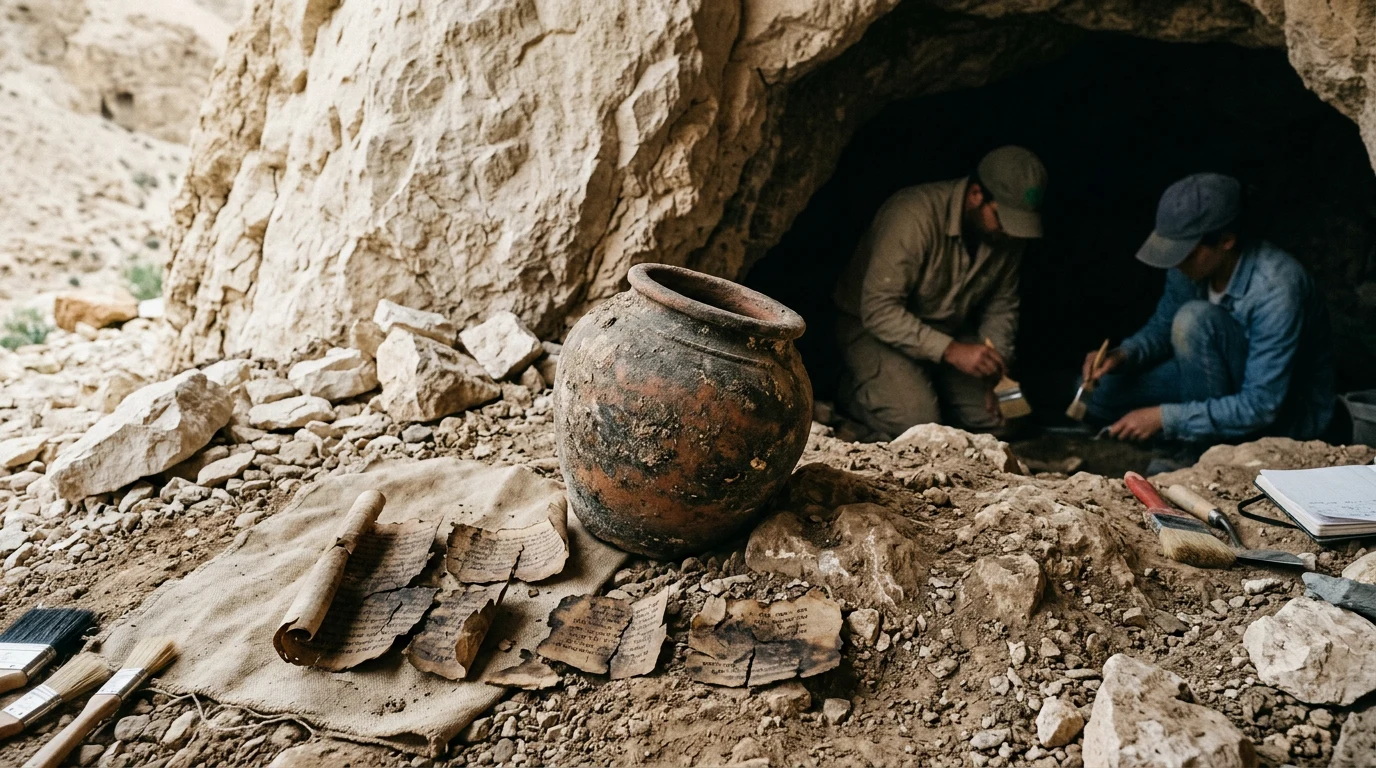
The Great Isaiah Scroll, found in a Qumran cave in 1947, let readers hold a Hebrew Bible text a millennium older than any known before it — and trace, jar to vault, how that survival was verified.
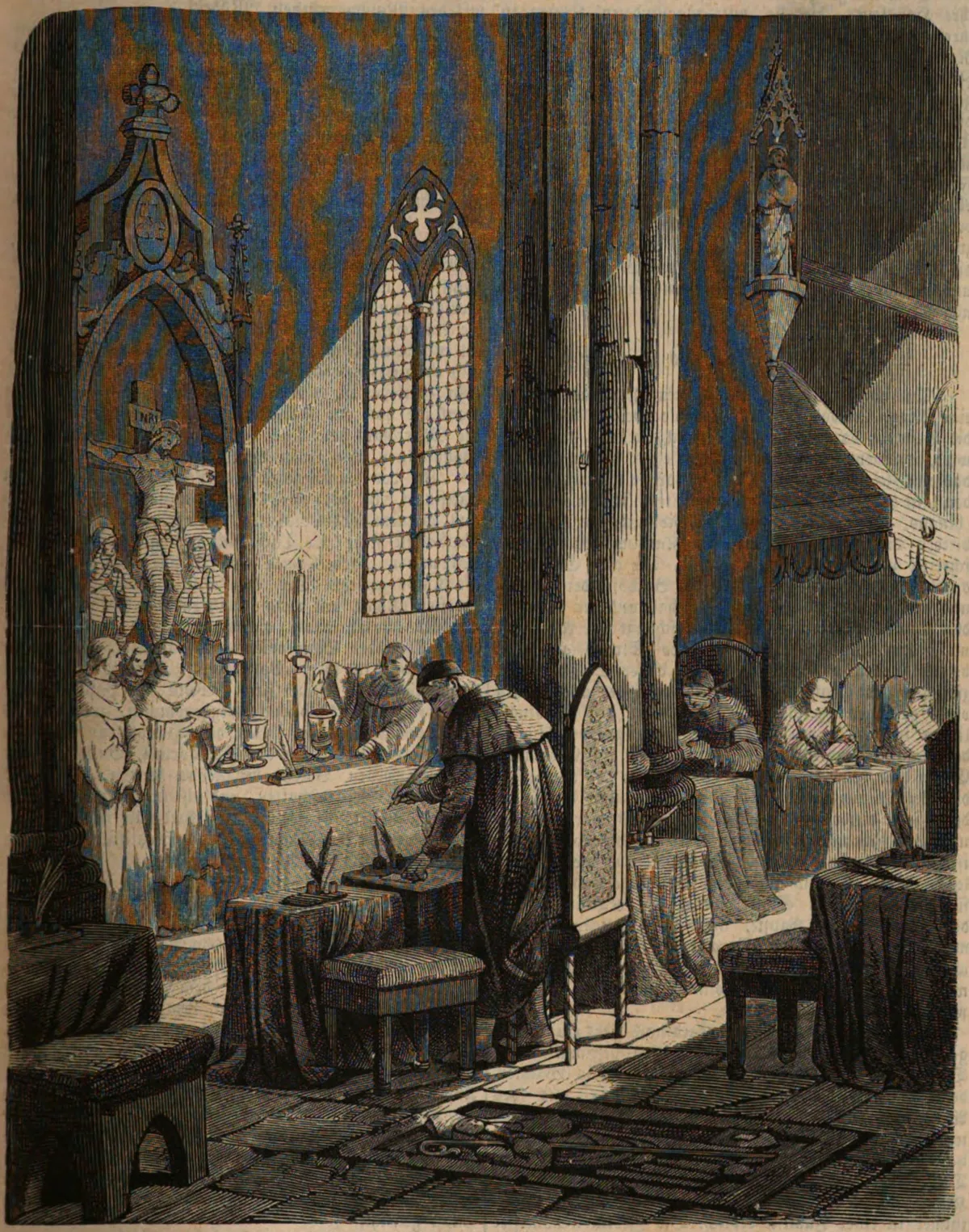
From the empty seat to white smoke: how the College of Cardinals locks itself away and elects a new pope, step by step.
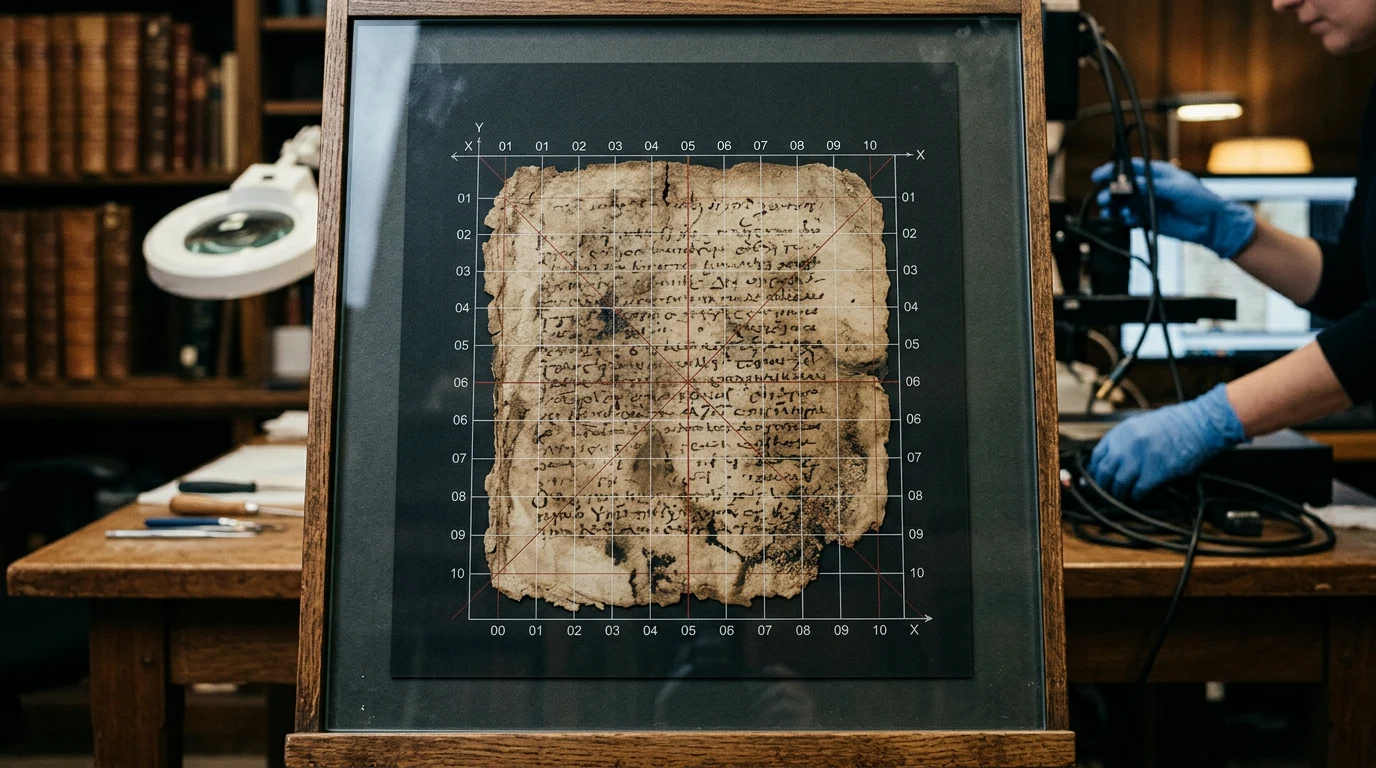
A new radiocarbon-and-machine-learning study puts several biblical manuscripts from Qumran closer to their authors' own lifetimes than paleography ever allowed.
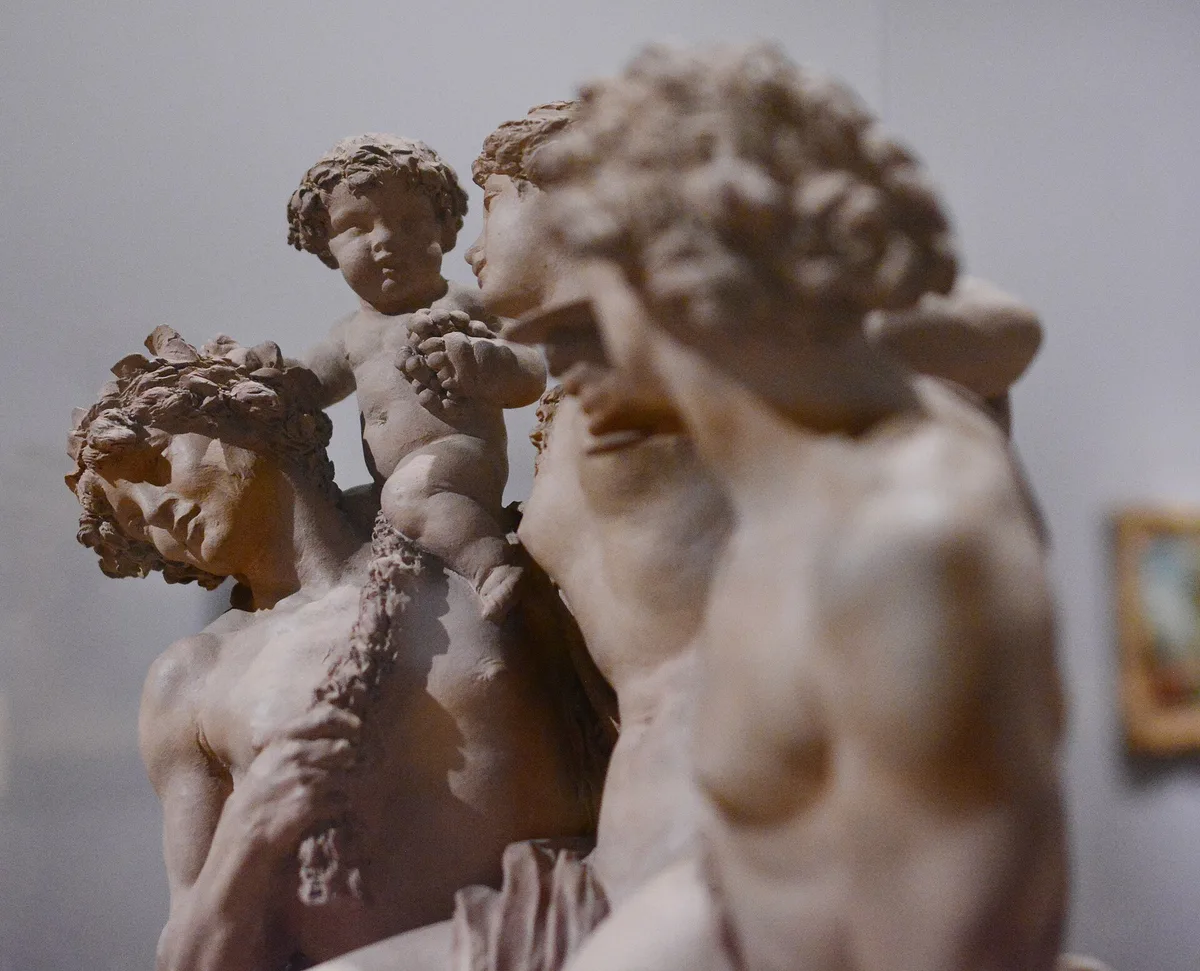
The quiet curatorial decisions that change what you notice on a return visit.