Culture
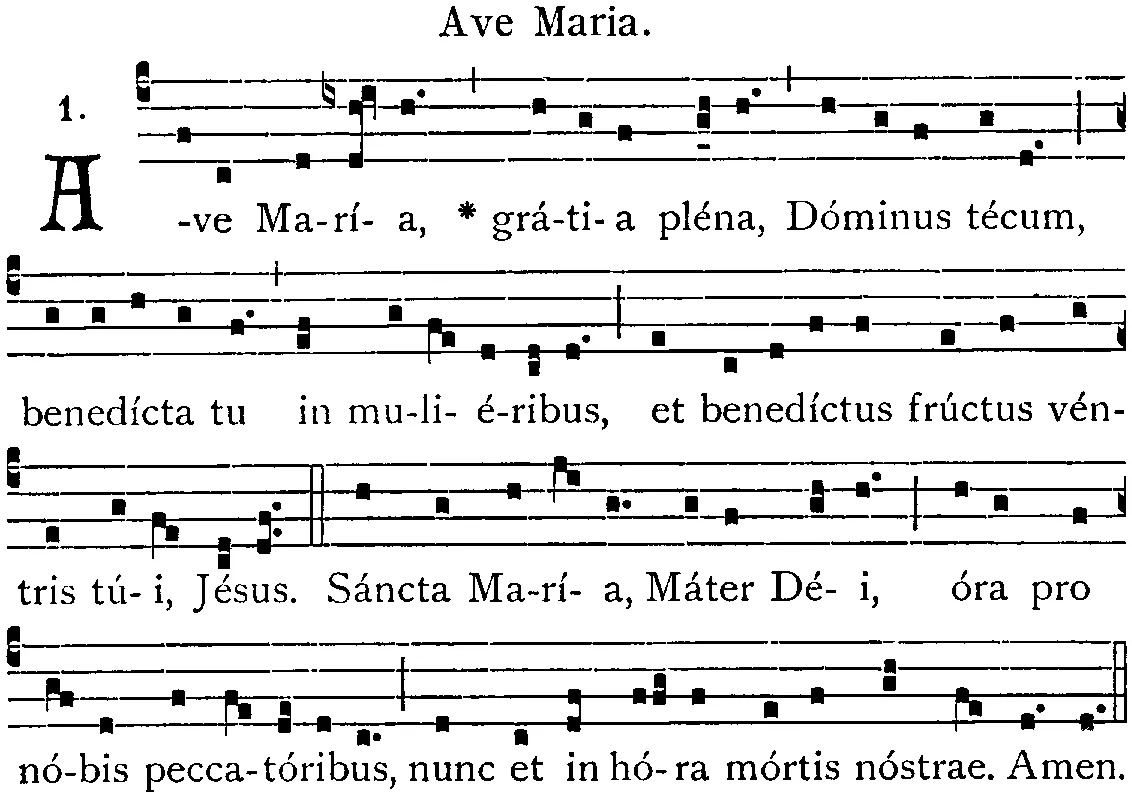
Why Gregorian Chant Still Shapes Sacred Music
Gregorian chant gave Western music its notation, its modes, and its first harmony. Here is why the Church still calls it the music most suitable for worship.
Coverage of religion inside cultural life: sacred imagery in painting and film, liturgical music, festivals and holidays as public occasions, and the arguments belief provokes in civic debate. Historically informed and non-partisan. For readers interested in how faith shapes what a society makes and celebrates.
Gregorian chant gave Western music its notation, its modes, and its first harmony. Here is why the Church still calls it the music most suitable for worship.

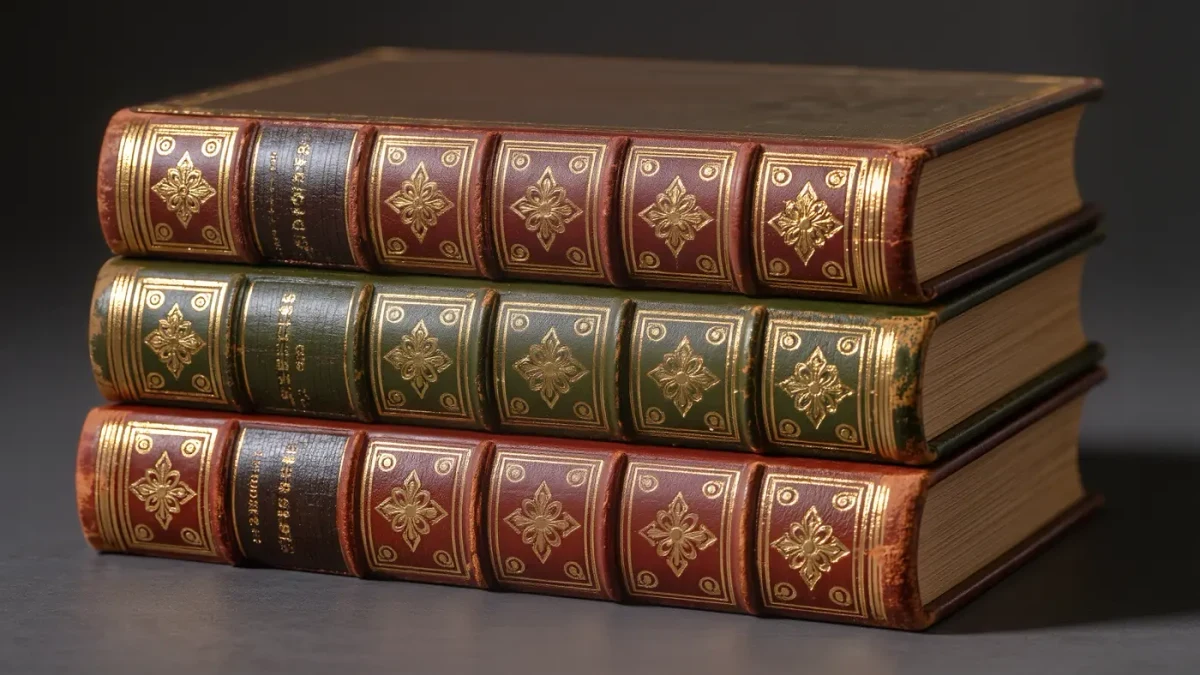
The Mishnah, the Gemara, six orders, two versions, and a page layout unchanged since a sixteenth-century Venice printer — plus where to start reading it, free, in translation.
The Mahabharata and the Ramayana present themselves as already retold, which is why every era from Kamban to the present adds its own telling instead of replacing one.

Plan, glass, portal and labyrinth: a Gothic cathedral is a building that can be followed like an argument, once you know where the sentences are.
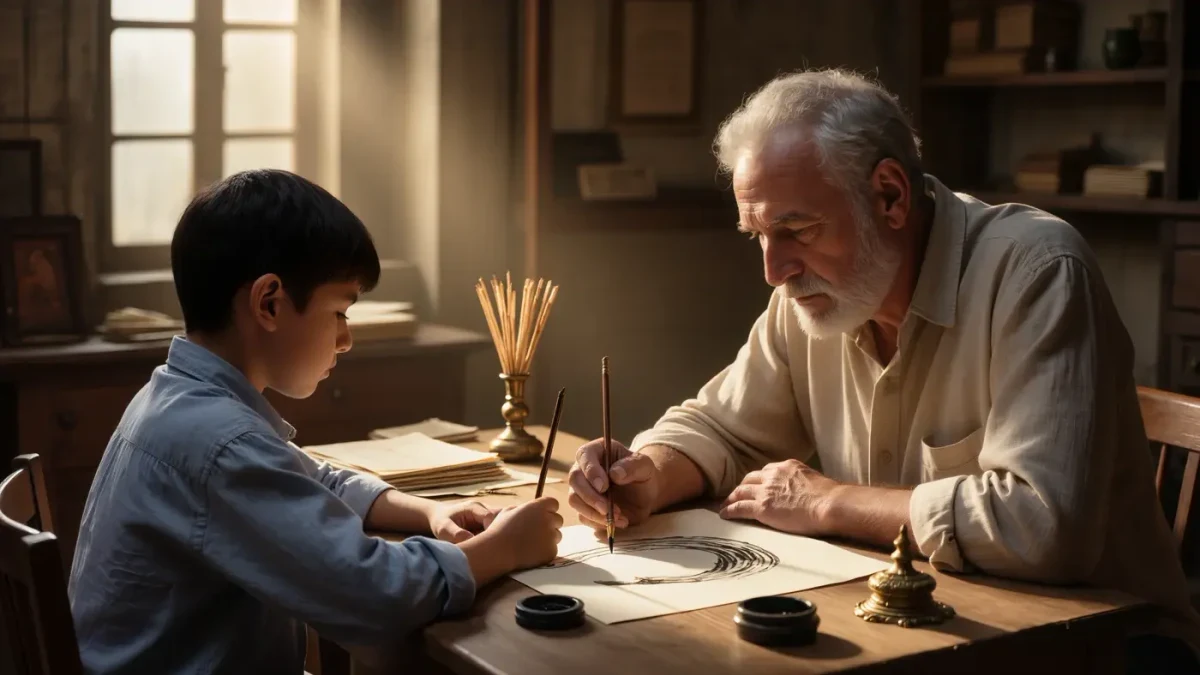
Where the revelation was a book, the highest visual honor fell not on the image but on the letter — measured, gilded, and trained into a discipline that still awards licenses today.
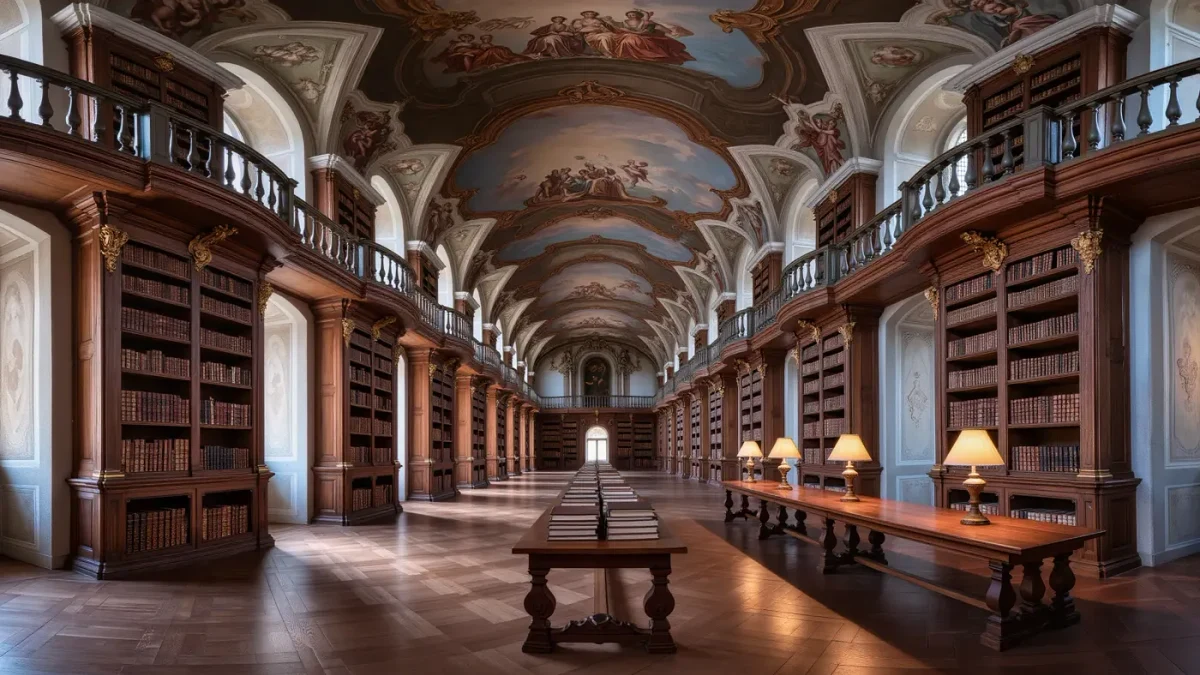
Between the fall of Rome and the rise of the universities, the survival of Latin literature narrowed to a few copying chains — and monastic scriptoria were the strongest of them.
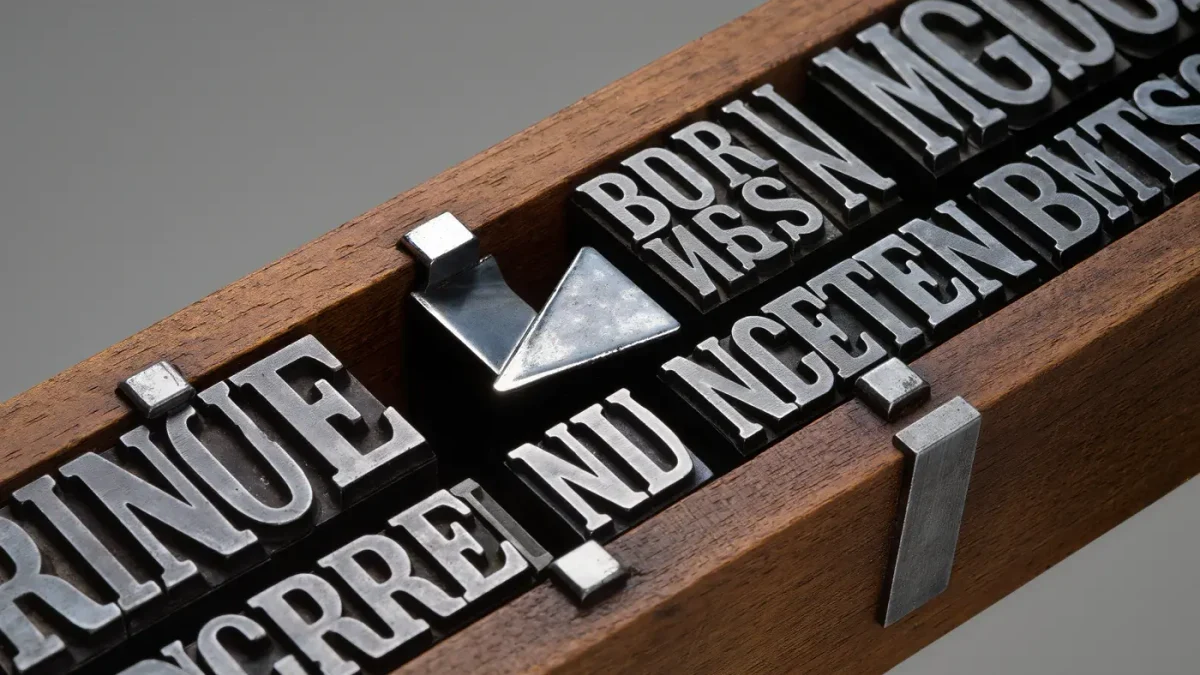
Ivan Karamazov's poem about bread, miracle, authority and one silent kiss is the strongest argument in the novel, and Dostoevsky wrote it for the side he was arguing against.
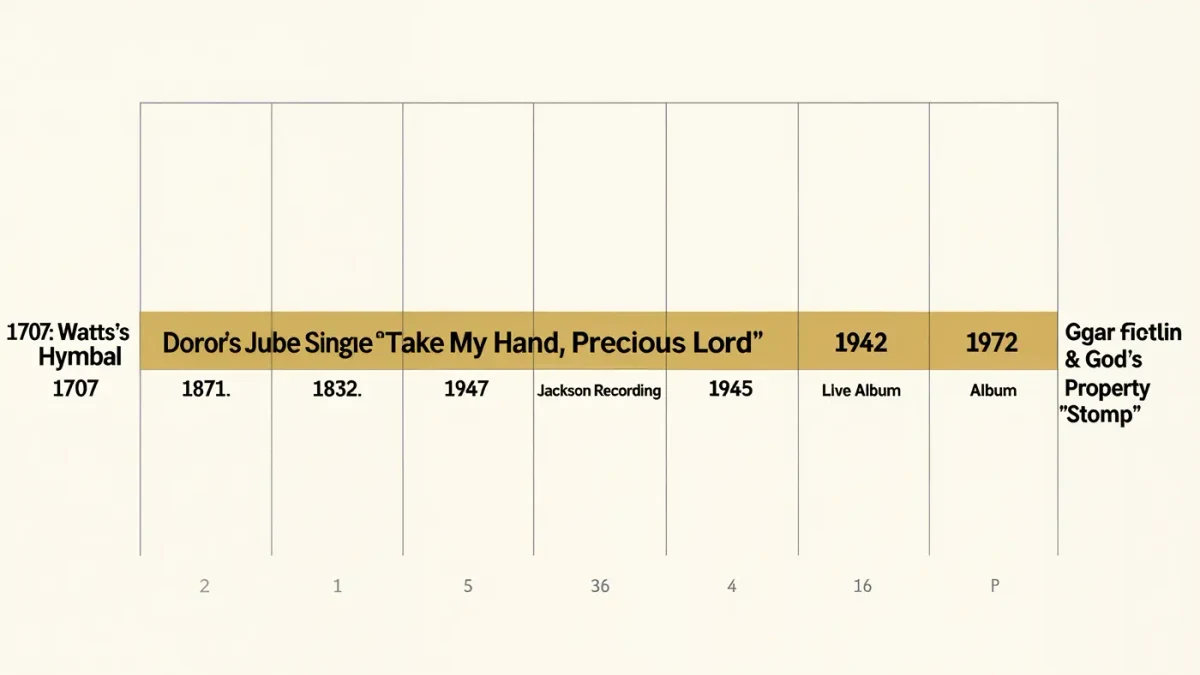
From Isaac Watts's hymnbook to Mahalia Jackson's millions, the story of gospel is the story of one repertoire repeatedly crossing lines it was never meant to cross.

Cranmer's 1549 prayer book was written to vanish into the mouths of congregations, and that anonymity is exactly why its sentences still turn up in novels, wedding scenes and pop songs.
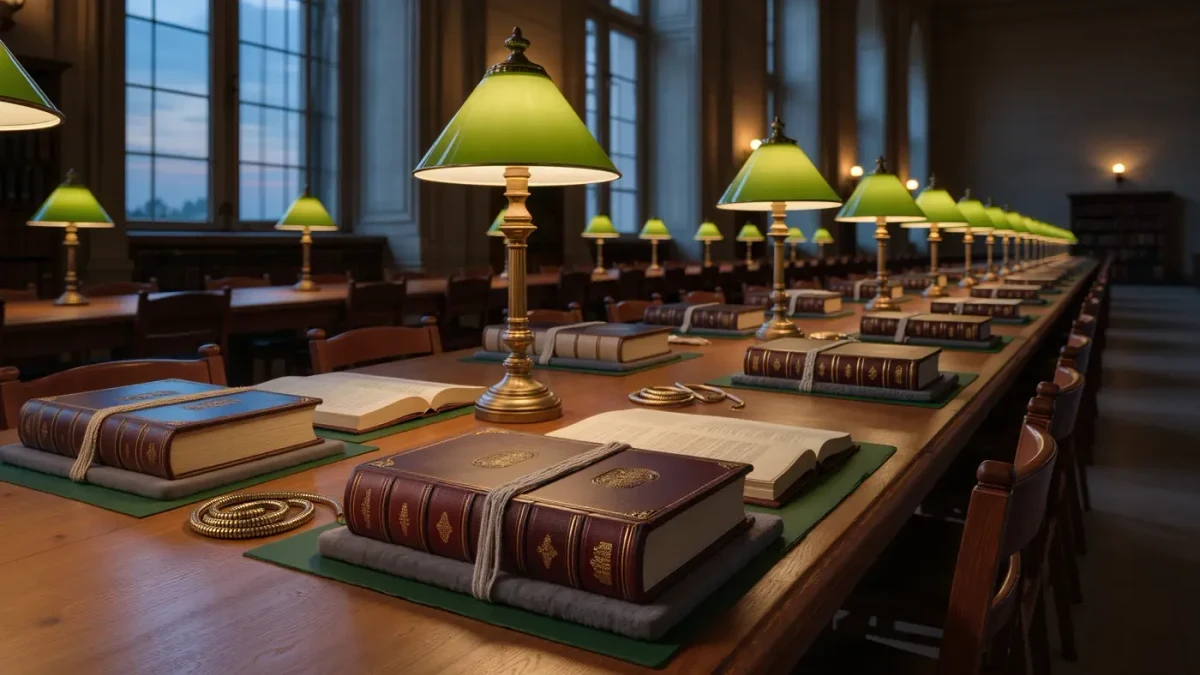
Every medieval book is an animal skin that survived fire, rain, war and reuse, which is why the ones that remain are unlike any other objects in the history of reading.