The sharpest critique of modern busyness may have come from a man who took a vow of silence. Thomas Merton, a Trappist monk of rural Kentucky, spent his adult life behind abbey walls writing about noise, hurry, and the hidden self. Half a century after his death, his pages still read like they were written last week.
He was an unlikely monk, and an unlikely celebrity. A restless young intellectual became one of the most influential religious writers of his century. His story explains why the voice still carries. For related coverage, see Pew: More Americans See Religion Gaining Influence, and Most Still Want It Out of Politics.
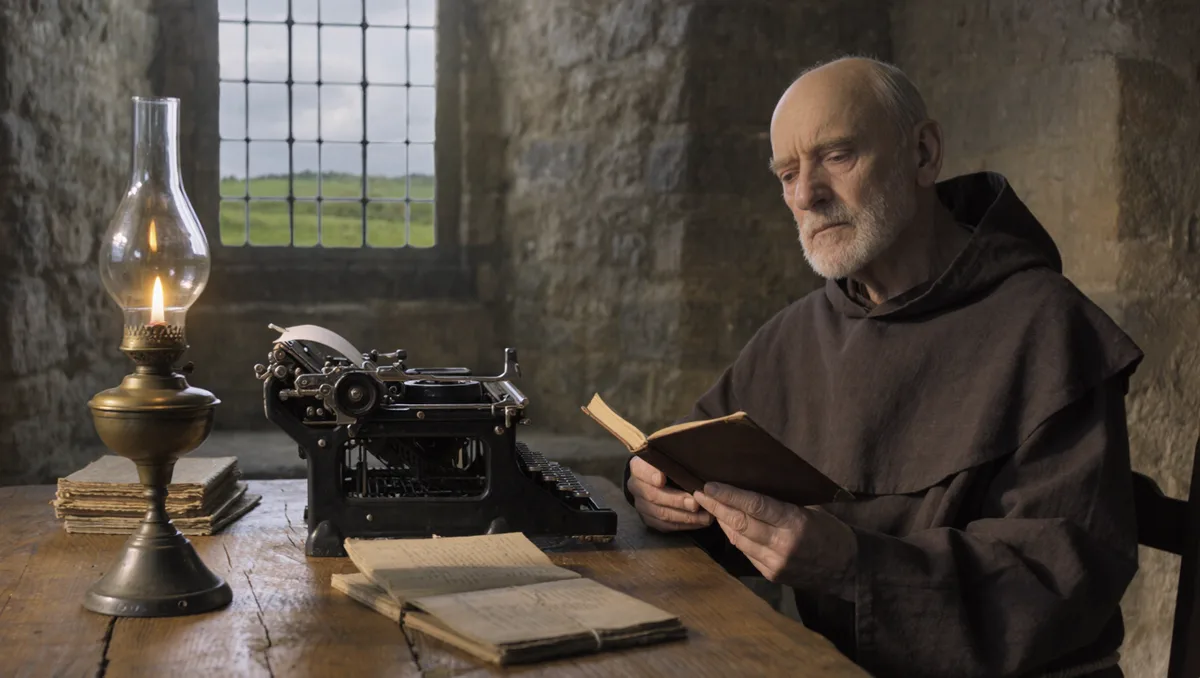
A Monk With a Typewriter
Thomas Merton was an American Trappist monk, theologian, mystic, poet, and social activist. He entered the Abbey of Our Lady of Gethsemani, near Bardstown, Kentucky, in 1941, and lived there until his death in 1968. Biographical summaries of Thomas Merton credit him with more than fifty books in twenty-seven years, mostly on spirituality, social justice, and pacifism, along with scores of essays and reviews.
Writing did not come easily to his vocation. Merton at first worried that writing fed the very self a monk was meant to surrender. His abbot settled the question. He assigned the young monk religious translations and lives of the saints, and the monastery became a writer's workshop.
The Book That Would Not Stay Quiet
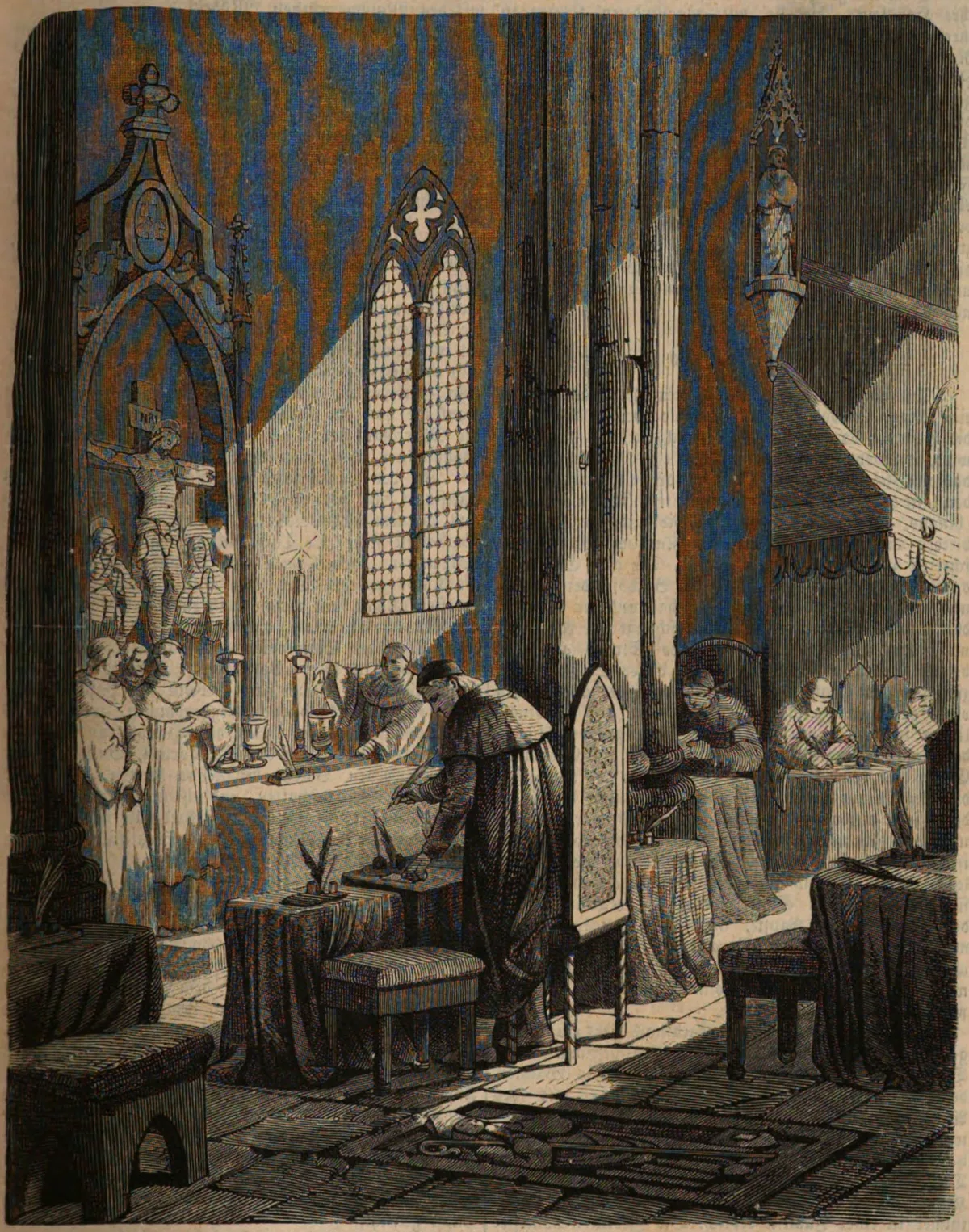
In 1948 Merton published his autobiography, The Seven Storey Mountain, written in two-hour intervals in the monastery scriptorium. It appeared to wide acclaim and sold steadily by the hundred thousand. It later earned a place on National Review's list of the century's one hundred best nonfiction books.
The book endures because it refuses both easy answers. It neither romanticizes the world Merton left behind nor hides the restlessness he carried into the cloister. Readers inside and outside the church keep finding themselves in it.
Solitude on Purpose
Merton wanted silence the way most people want applause. He pressed for years to live as a hermit, meeting resistance from his abbots, and in 1965 he finally moved into a hermitage on the monastery grounds. The point was never escape. Solitude, in his writing, is where a person stops performing and starts seeing.
That insight lands differently in a feed-refreshed age. Merton's journals model a slower kind of attention: notice what is happening, admit it without decoration, and write it down honestly. It is a discipline any distracted reader can practice, no habit required.
A Bridge Between Faiths
Merton was a keen proponent of interfaith understanding. He explored the religions of Asia through study and practice, and he pioneered dialogue with prominent spiritual figures of the East. Late in 1968, on a journey his abbot finally approved, he met the Dalai Lama in India on three occasions.
He kept his own faith while honoring others. In what became his final letter, he wrote of feeling a consolation in his faith in Christ. He hoped that presence might dwell in the hearts of all. Conviction without contempt may be his most exportable idea.
Why the Voice Still Carries
Merton died suddenly in December 1968, at fifty-three, while traveling in Asia. The distractions he wrote against have only multiplied since. His answer was never a retreat from the world but a deeper attention to it, and to the person doing the looking.
That is why a monk who never carried a phone keeps winning readers who cannot put theirs down. He does not scold them for the noise. He simply shows, page after page, what becomes audible when it quiets.
Conclusion
Thomas Merton still speaks because his subject never aged: the noisy human mind. He wrote with a contemplative's patience about justice, peace, and the interior life. He modeled dialogue across faiths without once losing his own. In a distracted age, his work reads less like history and more like instructions. We covered a connected angle in Where to Start With Thomas Merton.