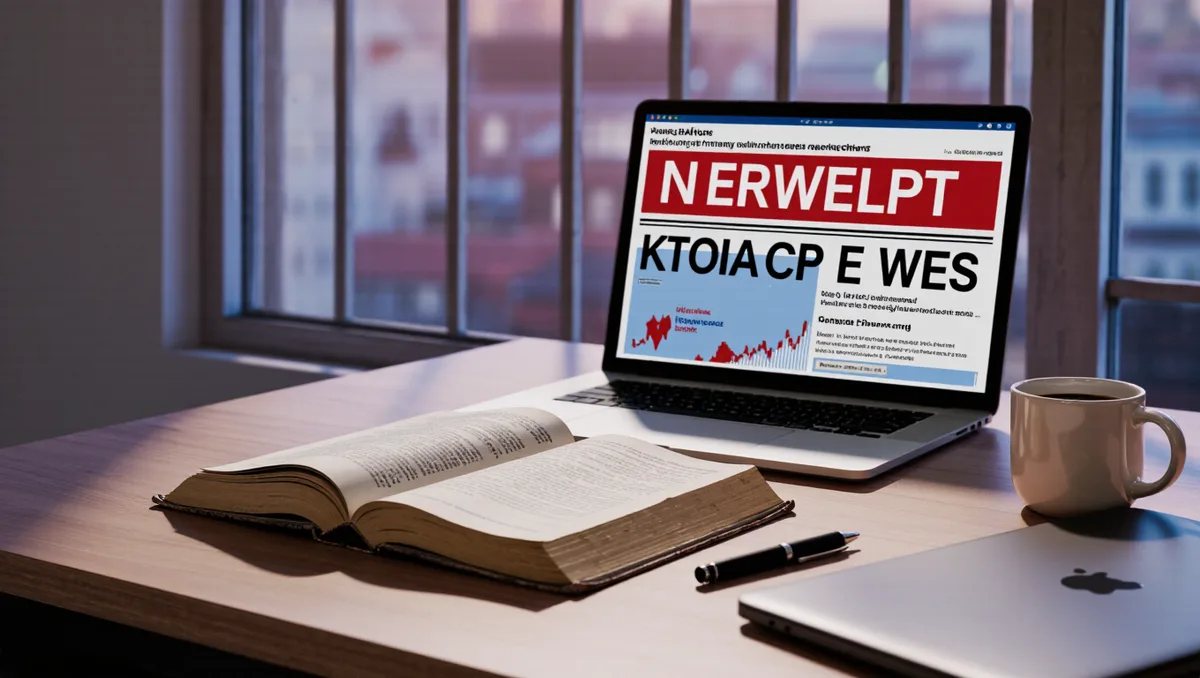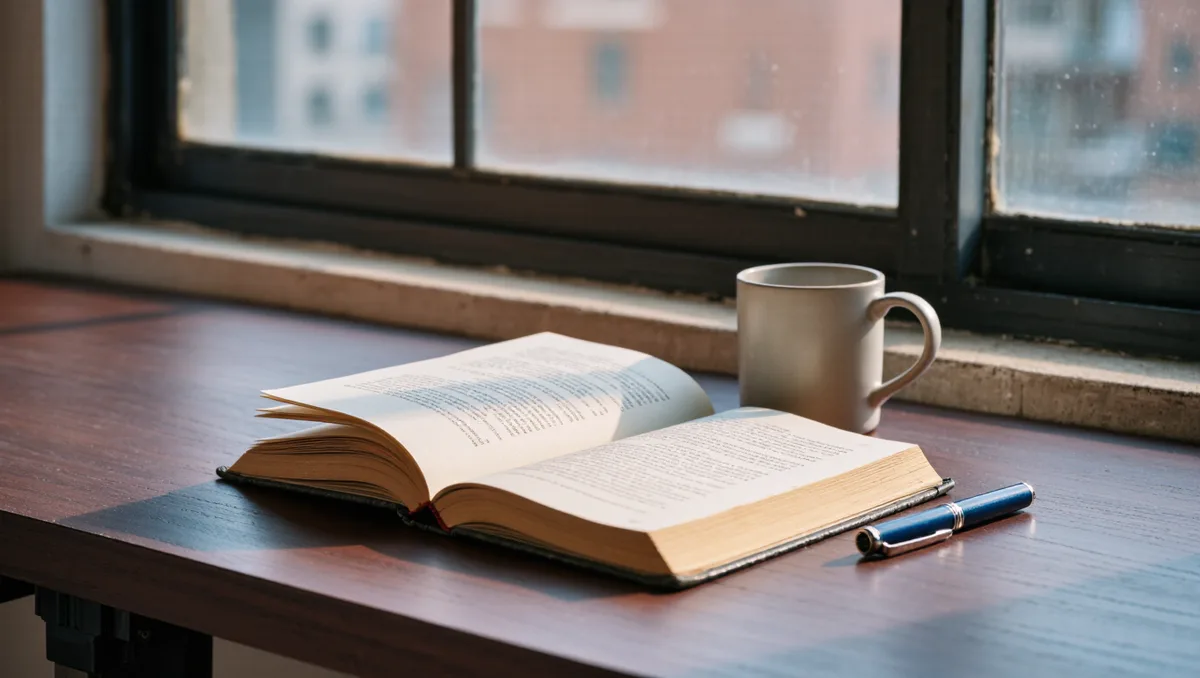
A reading vlog is a video in which someone reads. That is nearly the whole definition. A person sits at a desk, in a park, on a train; a book is open; the camera watches, or watches for a while and then drifts to the coffee cooling beside it. There is no plot. There is a page count, sometimes, and a small report at the end: what the book was, whether it was good.
The genre has grown large enough that platforms now suggest it unprompted, and libraries and bookshops have noticed viewers arriving with titles they first saw on a stranger's couch. The puzzle is why anyone would watch a person do the one thing that has always been defined by doing it alone. Reading is, after all, generally an individual activity, done silently — a fact that Wikipedia's overview of reading treats as basic enough to state in its opening paragraphs, alongside the note that reading aloud for listeners is the exception, not the rule.
The answer, it turns out, is less about books than about company. And it says something worth hearing about how reading — and the desire to read — actually survives in a distracted age.
What exactly is a reading vlog?
Strip the genre to its parts and you find three ingredients. First, footage of reading itself: hands on a page, a highlighter, a cat relocating. Second, narration, usually quiet and unhurried, about what is being read and why. Third, a frame — "reading for a week," "finishing the book I abandoned," "a slow morning with Augustine" — that gives the video a shape without giving it an argument.
It is closer to a diary than a review. The reviewer's job is a verdict; the vlogger's job is presence. You watch someone persist with a difficult chapter, and the persistence is the content. For viewers who have fallen out of the habit, that may be the most useful thing on the internet: proof, in real time, that reading is something a person simply does, badly and slowly, like anyone else.
Why would anyone watch instead of read?
The honest answer begins with the numbers. According to Wikipedia's summary of survey research on reading, it was reported in 2022 that less than half of adults in the US had read a book in the previous twelve months; only 38 percent reported reading fiction or short stories, a rate that had fallen 17 percent over the prior decade, and about 5 percent read more than fifty books a year. Whatever one makes of those figures, they describe a large population of people who want to be readers more than they currently are readers.
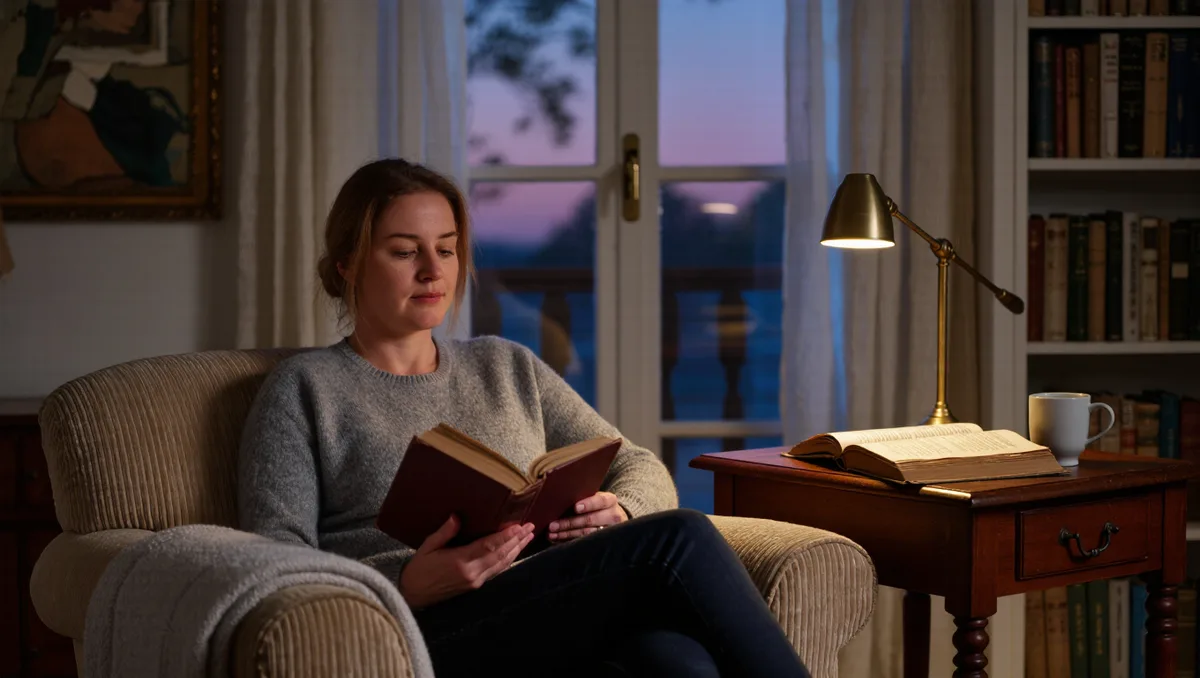
A reading vlog sits precisely in that gap. It lets a person spend an evening inside the posture of reading — the lamp, the tea, the stacked paperbacks — before committing to the act itself. Psychologists of habit would say the vlog functions as a cue and a model; the rest of us might say it is a bit like watching a friend read across the table. Children become better readers, the same research summary notes, when they perceive reading as fun rather than a chore. Adults, it seems, are not so different. Watching someone enjoy a book can be the on-ramp to enjoying one.
There is also the matter of pace. Most of the internet is engineered to accelerate — shorter clips, faster cuts, autoplay. A reading vlog does the opposite on purpose. The camera lingers. Nothing is optimized. Against the feed's grain, slowness reads as a small act of resistance, and viewers feel the contrast even if they never name it.
The cozy problem: comfort or avoidance?
Every genre has its failure mode, and the reading vlog's is substitution. A person can watch four hours of other people reading, feel thoroughly literary, and never open a book. The aesthetic — soft light, annotated pages, an armchair that looks like a hug — is pleasurable in a way that is entirely separable from reading. Critics of the genre make this point, and they are not wrong.
But the stronger reading of the genre is more generous. The vlog is a rehearsal space. Someone who has not read in years does not restart with Paradise Lost; they restart by watching a stranger read fifty pages of a novel on a rainy Sunday and thinking, tomorrow, that could be me. The video is not the replacement for the book. It is the invitation to it. Whether any given viewer accepts the invitation is unknowable from the video itself — which is why the genre's honest practitioners tend to frame their videos as accountability, not aspiration.
What this means for your reading life
Practical steps, then, for anyone whose watch-later queue has become a shelf of unread videos about unread books:
- Watch with a book in reach. The genre works best as a companion, not a destination. Start the vlog, put the phone face down, open whatever you are actually reading.
- Borrow the frame, not just the aesthetic. The useful part of a vlog is its structure — a set window of time, a modest page goal. Copy the structure; skip the camera.
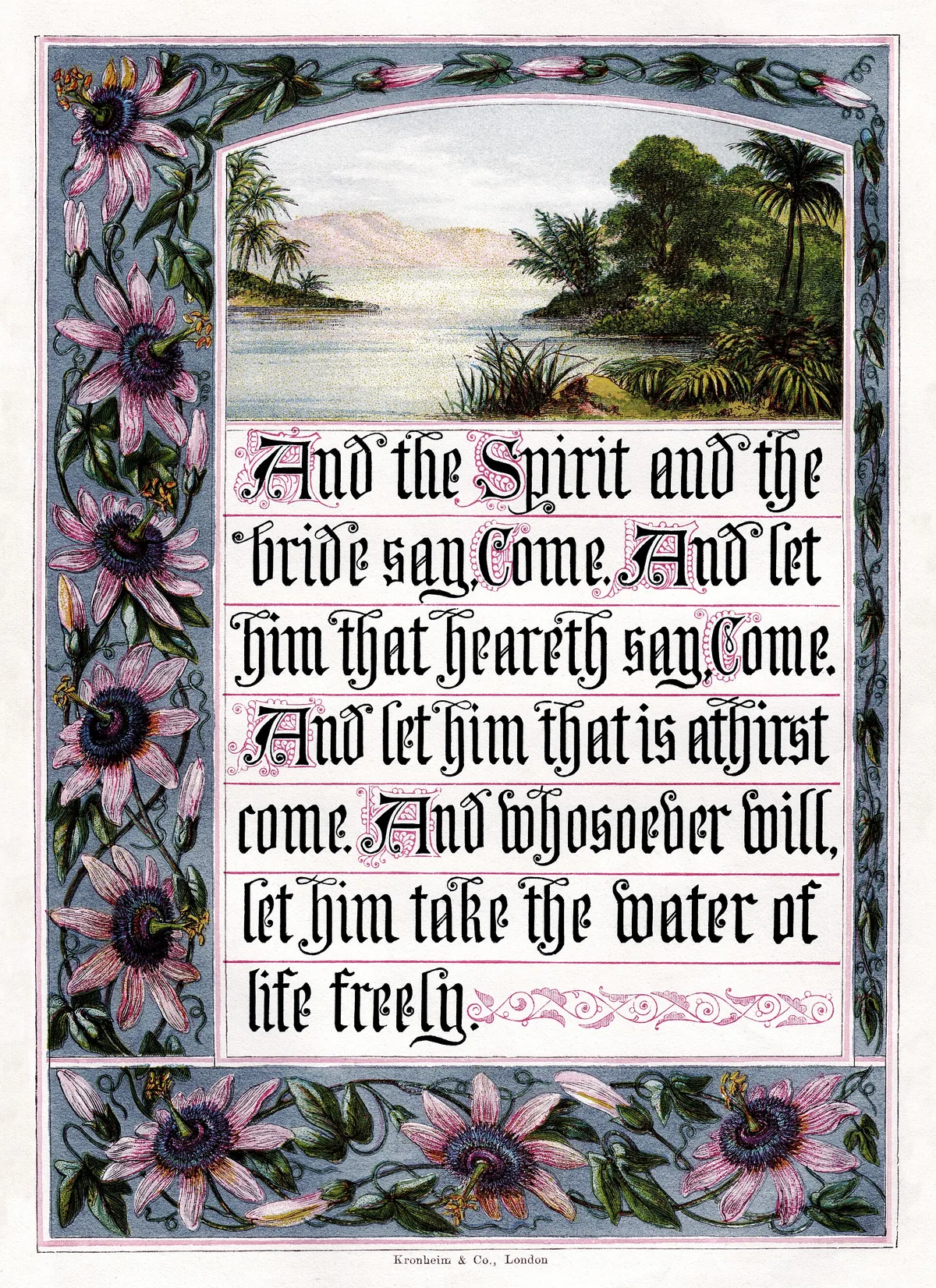
- Let the vlog hand you the next book. When a title keeps appearing across videos, that is a signal worth following. If the vlogger is working through a spiritual classic, our guides — Where to Start With Annie Dillard or Reading the Psalms: A Beginner's Guide — can take you from a thumbnail to a first page.
- Notice when watching becomes a dodge. If the queue grows faster than the finished pile, the cozy genre has quietly become the chore it promised to replace.
Our analysis is simple: the reading vlog is best understood as scaffolding. Scaffolding is not the building. But buildings get built because of it.
From screen to page: making the vlog habit stick
The final question is durability. A genre that converts viewers into library patrons has to survive the moment the video ends and the book begins — the moment when reading stops being something watched and becomes something done, alone, in silence, at whatever speed the mind allows.
The evidence about reading's rewards is on the habit's side: research summarized by Wikipedia links reading for pleasure to gains in vocabulary and other cognitive measures, and associates sustained lifetime reading with academic attainment and slower cognitive decline in later life. Those are long-term dividends. The vlog supplies the short-term spark; the dividends arrive only if the spark meets paper.
So perhaps the fairest verdict is this. Watching people read went viral because it solves a real problem — the loneliness of restarting a solitary habit in a performative age — and it fails only when viewers forget what it is for. The video is the doorway. The book, silent and slow and entirely your own, is the room.