Alain de Botton's Essays in Love changed what readers expect from books about feelings. Published in 1993, when the author was barely out of his twenties, it told the story of a love affair in the shape of a series of essays. Each chapter takes a piece of the relationship — the first meeting, the doubt, the breakup — and examines it the way a critic might examine a poem.
The result is a hybrid. It has characters and a plot, so it reads like a novel. But it argues, defines, and digresses, so it behaves like an essay. That mixture is the book's real legacy. After it, a whole shelf of writing about the inner life began to look less like memoir and more like thought made personal.
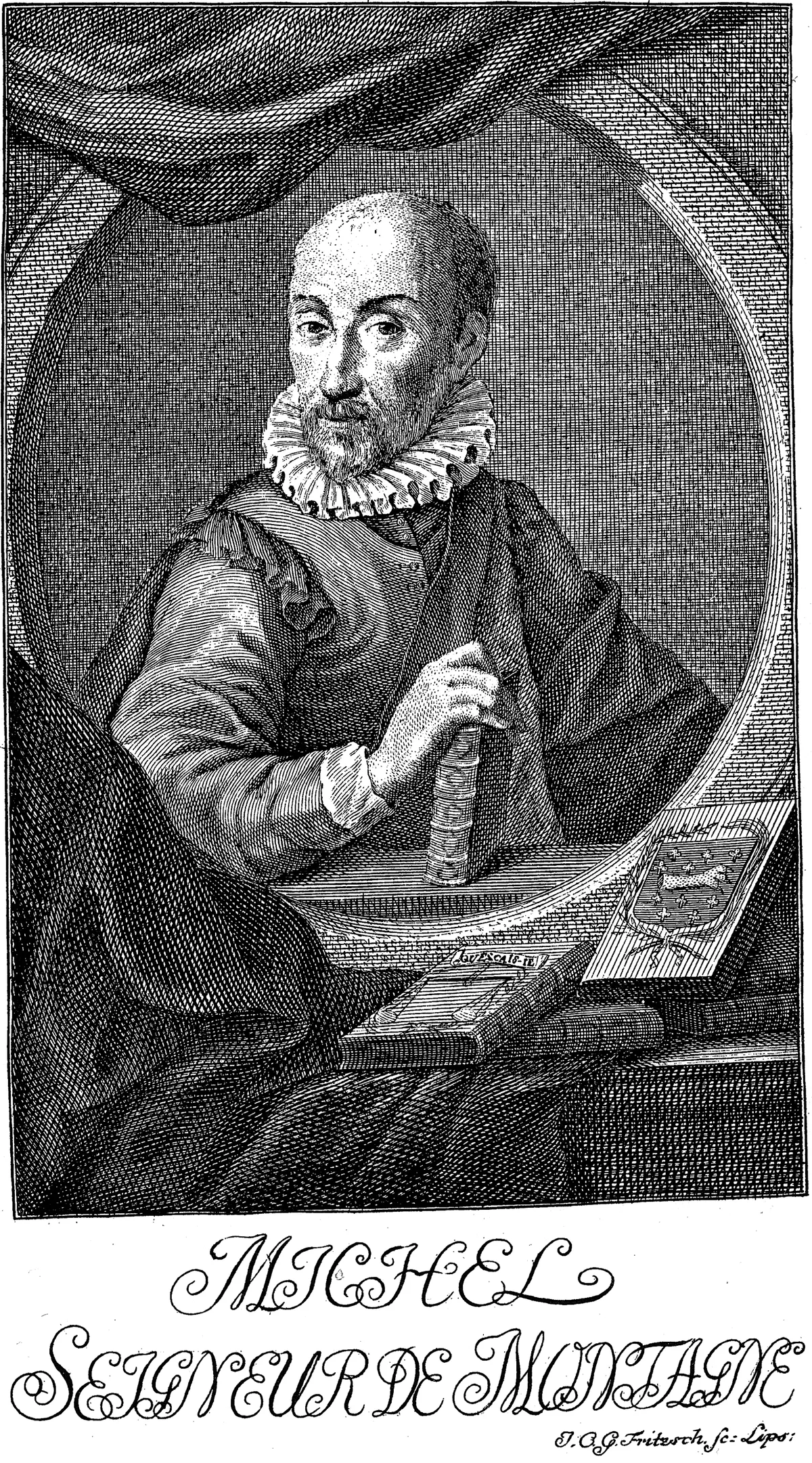
To see why that mattered, it helps to remember what the essay has always been. The word comes from the French essayer, to try or to attempt, and the Wikipedia overview of the essay form notes that Michel de Montaigne first used the term for his own writing in exactly that spirit — attempts to put his thoughts on the page. His Essais appeared in 1580, and he kept revising them for the rest of his life. The essay began as a record of a mind working, not a verdict delivered.
What makes a book about love an essay?
Traditional fiction about love shows. A novelist builds scenes, lets people speak, and trusts the reader to infer. Essays in Love does something stranger. It stops the story to ask what the story means. Why does infatuation feel like certainty? Why does a small misunderstanding grow into a breakup? The narrator treats his own heart as a case study.
This is confession with a method. The writer admits everything — longing, pettiness, fear — but refuses to stop at admission. He wants to know why he felt what he felt. That second step, the analysis, is what separates the essayistic confession from ordinary memoir. A memoir says: this happened to me. An essay says: this happened to me, and here is what it suggests about being human.
Wikipedia's account of the genre cites Aldous Huxley's observation that the best essays draw on three worlds at once: the personal, the factual, and the abstract. De Botton's book is a clean demonstration. The personal is the affair itself. The factual is the observed detail of how two people behave. The abstract is the argument about love that runs underneath. Remove any one pole and the book collapses.
Why confession needs company
Confession alone can feel lonely, both to write and to read. A private grief poured onto the page asks the reader only to witness. But when a writer attaches ideas to feeling, the reader gets something to hold besides sympathy. The pain becomes thinkable.
Spiritual writing figured this out centuries before de Botton. C. S. Lewis's A Grief Observed, written after his wife's death, does not simply mourn; it interrogates grief, argues with God, and circles its own contradictions. Readers keep returning to it because the thinking gives their own sorrow a vocabulary. Our essay on C. S. Lewis: A Grief Observed explores how that book works. The same pattern runs through Dag Hammarskjöld's Markings and Flannery O'Connor's prayer journal, both of which we have written about as spiritual self-examination.
De Botton secularized the move. Where Lewis wrestles with God, de Botton wrestles with psychology and philosophy. But the shape is identical: raw experience fed through analysis until it becomes shareable.
What this means for readers now
Walk into any bookshop today and the hybrid is everywhere. Books about grief that quote neuroscience. Books about marriage that read like extended footnotes to novels. Memoirs that pause for essays-within-the-essay. The market for writing about feelings has largely absorbed de Botton's lesson: readers want the story and the argument together.
There is a good reason for that. Feelings are hard to talk about directly. Say "I was heartbroken" and the sentence closes the subject. Ask "what is heartbreak, mechanically, socially, philosophically?" and the sentence opens it. The essayistic mode gives readers tools instead of testimonies.
It also flatters the reader's intelligence without demanding expertise. You do not need a philosophy degree to follow Essays in Love; the book carries its references lightly. That accessibility is part of why the hybrid spread so far beyond literary fiction.
Our analysis: the risks of the form
The hybrid has failure modes, and it is honest to name them. Analysis can become a way of hiding. A writer who never stops explaining feelings may never actually have them on the page; the essay becomes a performance of detachment. The opposite failure is sentiment dressed up as insight — confession wearing a lab coat.
The books that work keep both impulses in tension. The confession keeps the analysis honest; the analysis keeps the confession from dissolving into self-pity. De Botton's first book succeeded because the narrator is visibly unreliable. He knows his own theories might be excuses, and the book's humor lives in that gap.
For anyone trying to write this way, the practical discipline is revision, not inspiration. Draft the feeling first, plainly. Then interrogate it. Then cut whatever analysis does not earn its place beside the feeling. Our guide to editing your own essays covers the cutting part in detail.
Where the tradition goes from here
The lineage runs unbroken from Montaigne forward. Wikipedia's history traces how the essay moved from Montaigne's France into English through Bacon in 1597, then into the periodical culture of Addison, Steele, and Johnson — writers who mixed personal reflection with public argument in exactly the way modern essayists do. The current scene keeps that mix alive. Aeon's essays section publishes long-form pieces that pair personal stakes with ideas from science and philosophy, and the essay's range today runs from private reflection to public argument without changing forms.
For readers who want to go deeper, there is more good essay writing freely available online than any one person can finish. The Electric Typewriter, a site that curates nonfiction from around the web, maintains a collection of great articles and essays to read online — a reminder that the form de Botton bent toward the personal was never a narrow one to begin with.
If you want to trace the roots yourself, start with our beginner's road map to Montaigne's Essays. Read a few of his attempts, then reread Essays in Love. The family resemblance is unmistakable: a mind trying, on the page, to understand its own heart — and taking the reader along as witness, judge, and fellow confessor. We covered a connected angle in Montaigne's Essays: A Beginner's Road Map.
What remains unknown is whether the hybrid will keep evolving or settle into a formula. The form works when the writer actually has something to work out. It fails when the thinking is borrowed. That test never changes, whatever the subject — love, grief, or God.