When a parent stands at a school-board microphone and asks that a book be pulled from a shelf, the argument is rarely about the book alone. It is about who gets to say what a community's children will read, and what values the shelf itself should carry. The book banning debate, as it plays out in school districts and public libraries, is a conflict over culture in the strict sense: over the beliefs, norms, and symbols a group passes to its young.
That is why these fights feel so charged. A shelf is a small thing. But as Wikipedia's overview of culture explains, culture is the whole inheritance a society transmits — knowledge, beliefs, laws, customs, habits — passed on through learning rather than genes. A reading list is one of the most deliberate instruments of that transmission. Of course people fight over it.
This piece is an explainer, not a verdict. It looks at what a book challenge actually is, why the arguments repeat across decades, and how communities have found ways to respond that are neither surrender nor silence.
What does a book challenge actually involve?
A challenge is a formal request to remove or restrict a book, usually filed by a parent, a resident, or sometimes an advocacy group. It typically names a title, cites specific passages, and asks a board or a librarian to act. The request sets off a review: someone reads the book in question, weighs it against the library's stated selection policy, and issues a recommendation.
Most requests die there. A review process exists precisely so that one complaint does not decide a shelf's contents. The distinction matters between a challenge — a request, handled by procedure — and an actual removal, which happens when a review concludes and the book comes off the shelf. Conflating the two makes the whole subject louder and less clear.
Why is a bookshelf a cultural object at all?
Because a shelf is a curated statement. Sociologists distinguish material culture — the tangible objects a society makes — from nonmaterial culture, the values and beliefs behind those objects. A teaching resource on defining culture and its role in society puts it plainly: you can touch a religious building, but not the faith that inspired it. The same holds for a library. The building is material. The selection policy behind it — the ideas about childhood, harm, and belonging that decided what went on the shelves — is not.
So when someone challenges a book, they are really challenging an invisible framework. They are saying: the values that put this book here are not our values. And the reply, from librarians and teachers, is usually a different claim about the same framework: a public institution serves everyone, so its shelves must hold more than any one household would choose.
Why do the same arguments return every generation?
Because the underlying tension never resolves. Communities want two things at once. They want their children protected from what they consider harmful, and they want their institutions to be open enough that no single faction controls them. Those goods collide, and the collision is structural, not temporary.
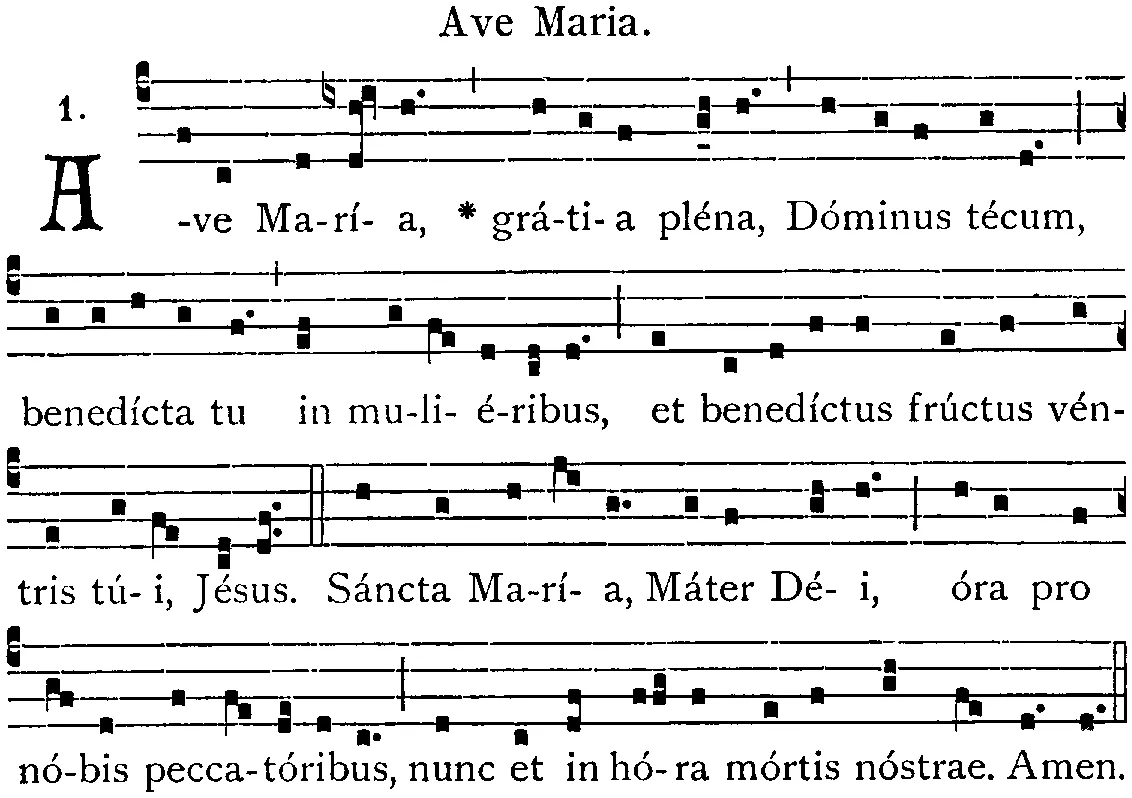
There is a long history here, and it cuts against easy narratives. Censorship is not the property of one political tradition. Institutions across many eras have restricted texts for reasons that seemed urgent at the time. The deeper pattern is that every generation rediscovers that the books it inherited were themselves the survivors of earlier arguments. Monks copying manuscripts by hand decided, passage by passage, what deserved to survive; our piece on how monasteries saved books traces how much of ancient literature exists only because particular copyists made particular choices. A shelf has never been neutral. The question is whose choices, and by what process.
How do communities respond when a challenge arrives?
The communities that handle these fights best tend to share a few habits.
- They have a written policy before the fight starts. A selection policy, adopted openly, gives a review committee something to apply besides mood. It converts a confrontation into a procedure.
- They separate the roles. The person who complains, the person who reviews, and the person who decides are different people. No single meeting decides a shelf.
- They read the whole book. Challenges are usually built from excerpts. A review that reads the complete work — its context, its genre, its audience — often finds the cited passage means something different in place.
- They offer alternatives without erasure. A parent can ask that their own child not read a title; that is a family decision. Extending it to every child is a different, larger claim, and good processes keep the two apart.
None of this dissolves the disagreement. It channels it into forms that leave both sides able to lose a round without losing the institution.
What this means for readers of a religion and books magazine
Our beat makes the pattern unusually visible. Sacred texts sit at the center of this story, because scripture is the oldest contested shelf. Translations get challenged for the same reasons novels do: a rendering carries values. The King James Bible shaped English partly because one committee's choices became, for centuries, the sound of authority — and committees are exactly what book challenges are about. Dostoevsky's Grand Inquisitor, which our guide to reading “The Grand Inquisitor” walks through, is itself a parable of an institution confiscating books in the name of protecting people from their freedom. The poem inside the novel has been read as an attack on the Church and as a defense of it; both readings have been censored somewhere, at some time, by someone who thought they were defending the faith. We covered a connected angle in How the King James Bible Shaped English.
The lesson is uncomfortable and useful: the impulse to curate what others may read is not alien to religious tradition or to secular ones. It is a standing temptation of anyone who believes, sincerely, that a text can do harm. The counter-tradition — the copying monk, the open-shelf librarian, the translator who renders a hard verse honestly rather than smoothly — is equally old, and equally inside these traditions.
UNESCO's framing of its cultural mission holds that safeguarding heritage and supporting creativity are fundamental to building inclusive, resilient communities, and that lasting peace depends on dialogue among cultures rather than a single imposed one. Whatever one thinks of the organization, the claim describes the stakes of the bookshelf accurately. A community that can argue about a book without destroying the place where books are argued over has done something rare. The shelf survives the argument. That, in the end, is the whole achievement.