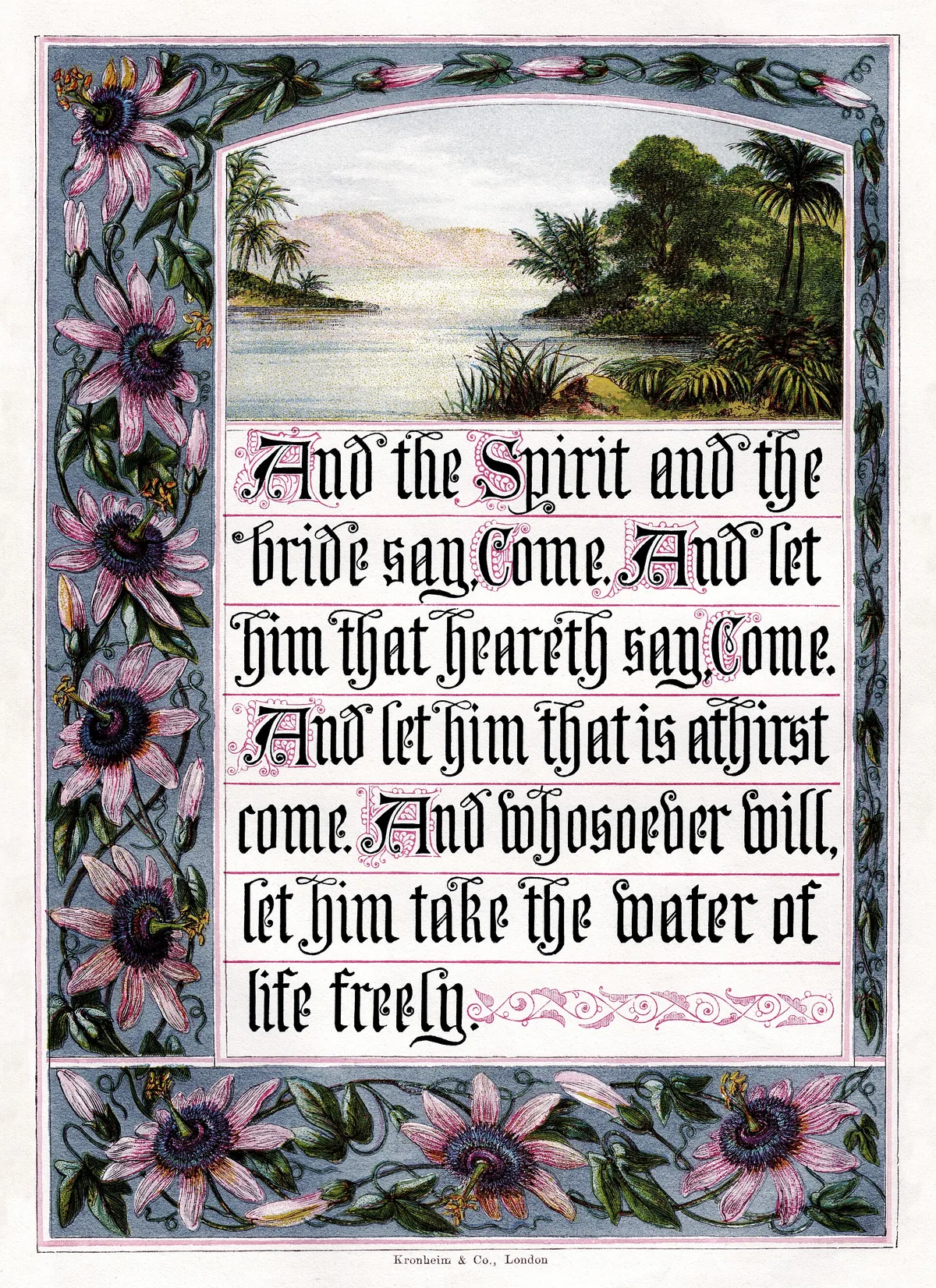
Reading
How to Read the Book of Revelation Without Getting Lost
Revelation is a letter, an apocalypse, and a prophecy at once. Learn its genres, symbols, and history, and the last book of the New Testament starts to read clear.
Practical guidance for reading religious literature: choosing a translation, pairing a text with useful commentary, pacing long works, and the passages where new readers commonly stop. Covers scripture, mystical writing and modern theology. For anyone approaching a difficult book without a teacher nearby.
Revelation is a letter, an apocalypse, and a prophecy at once. Learn its genres, symbols, and history, and the last book of the New Testament starts to read clear.

Light, sound, and a repeated cue can do more for a reluctant reader than any lecture about screen time.
Celia Laskey's title does half the work — and the word 'cover' does the rest.

The quiet corner of video where nothing happens — and that is exactly the point.

Begin with the 1948 autobiography everyone quotes and the one contemplative book nobody outgrows — the reading order, editions named.

A 1947 find near Qumran pushed the oldest known Hebrew Bible manuscripts back a thousand years — here is what the scrolls do, and do not, tell readers about the text's history.
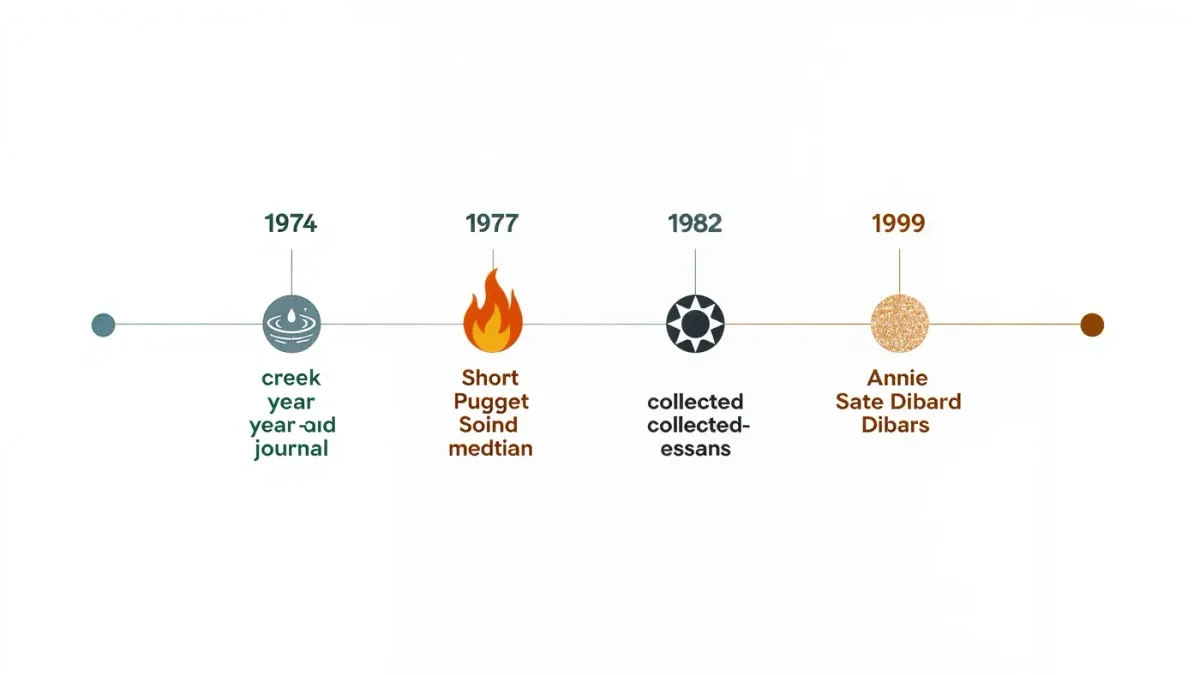
Tinker Creek first, then the short fierce books — a reader's map of spiritual writing without a confession.
The Sayings are a book of shards, not a manual — how to read a tradition of one-line wisdom.

Thirteen books, three good translations, and permission to change pace after Book 9.
A prose frame around the fiercest argument in Scripture — structure, translations, and where readers stumble.