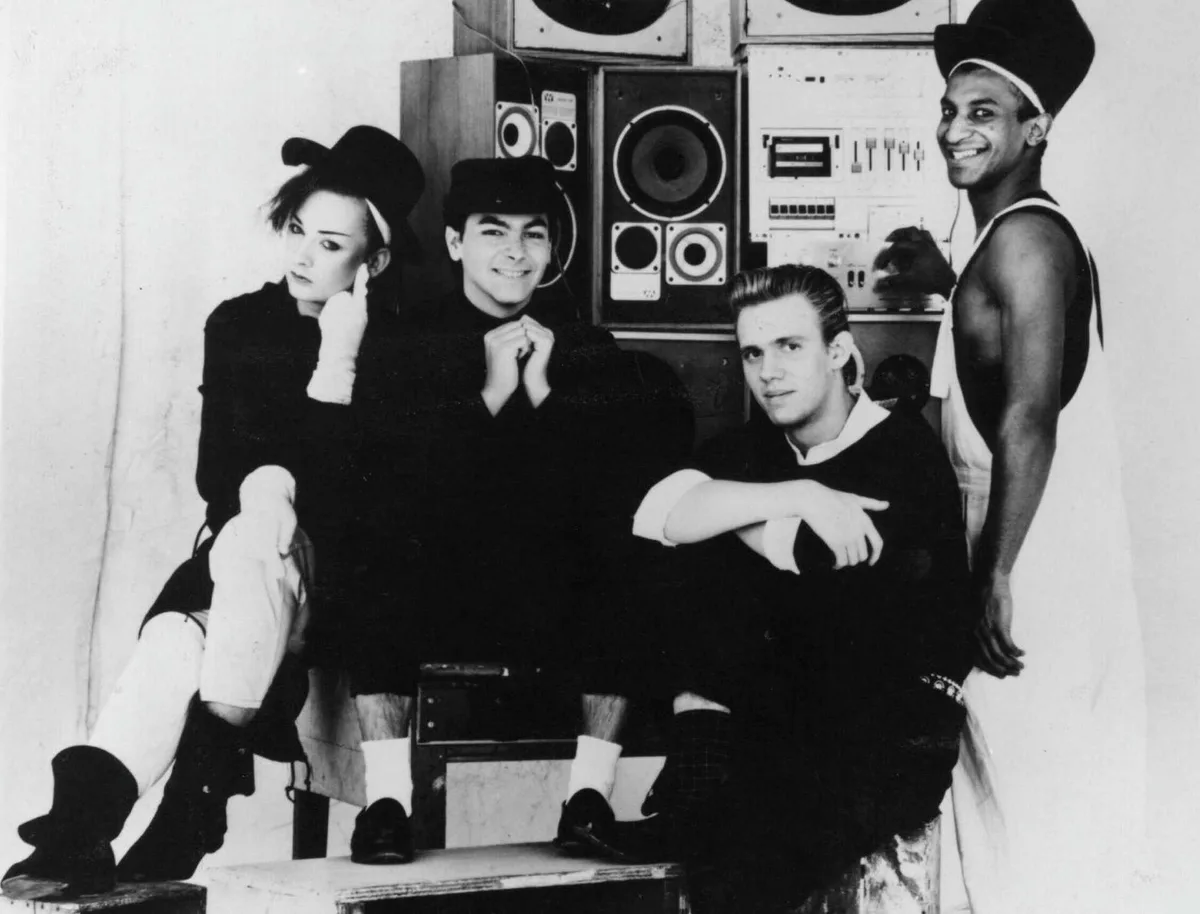
Culture Club may be the most reliably resurrected band of its era. The group formed in London around a singer whose look was the whole argument — Boy George, in braids, hats, and makeup that refused every gender rule of early-eighties pop — and the band around him mixed reggae lilt, new wave sharpness, and soul hooks into songs that radio could not ignore. Then came the fights, the hiatuses, the solo detours. And then, again and again, the return.
The comebacks are the interesting part. Plenty of bands reform for a payday and fade. Culture Club has kept finding reasons to matter: a catalog that never left the airwaves, a frontman whose image aged into something like cultural shorthand, and new generations discovering the songs through streaming, film soundtracks, and karaoke nights. The pattern is worth reading closely, because it is not really about nostalgia. It is about how a pop act becomes, over decades, a piece of culture itself.
Why does the image outlast the hits?
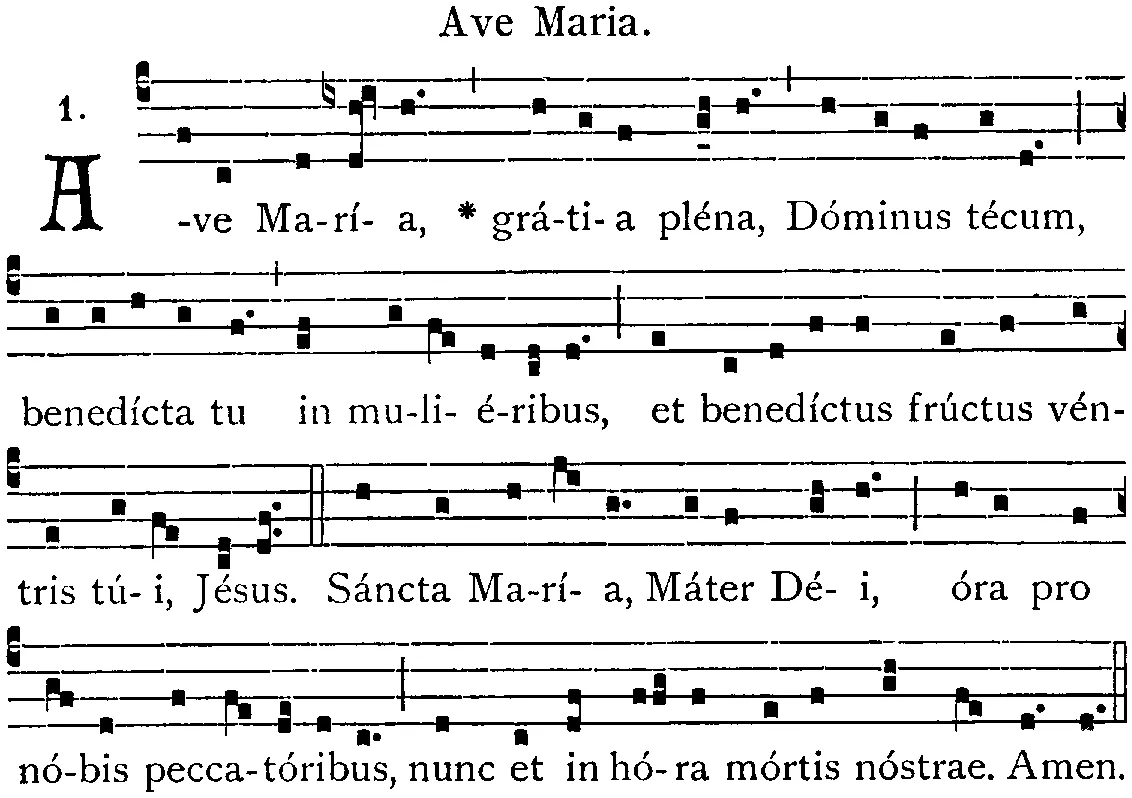
Start with the obvious. "Do You Really Want to Hurt Me" and "Karma Chameleon" are expertly built pop songs, and expertly built pop songs are durable by design. But plenty of well-made singles vanish. What separates Culture Club is that the songs arrived wrapped in a visual argument — about androgyny, about race and style, about who gets to be a pop star — that audiences are still debating. The band did not just release records. It released a look, a posture, a provocation. Readers following this should also see Why Gregorian Chant Still Shapes Sacred Music.
That matters for longevity in a specific way. A hit is a moment; an image is a template. Later artists borrow the template, and every borrowing points back to the source. When a new pop star plays with gender presentation or genre-blending, critics reach for Boy George as a reference point. Each reference is free advertising for a band that has not had to do anything to earn it. The comeback, in this sense, is never fully engineered. It is partly inherited.
What does the comeback actually look like?
Strip away the mythology and the mechanics are familiar to anyone who follows the music business. A band with a recognizable catalog can tour steadily, because the live market rewards familiarity: audiences will pay to hear songs they already love, and legacy acts fill venues that new acts cannot. Streaming has deepened that base. Where an older act once depended on radio and record-store shelf space, now a catalog lives permanently online, and a single sync placement — a song in a film or a show — can introduce it to millions at once.
Culture Club's reunions have followed that logic. The band breaks up, members pursue other projects, and then the commercial and cultural conditions line up again: an anniversary, a documentary, a fresh audience that has grown up on the songs without ever buying them. The reunion is less a resurrection than a scheduled maintenance of a brand that never fully went dormant. There is a wry observation available here — the band named Culture Club became, quite literally, a cultural institution — but the underlying point is serious. In modern pop, the catalog is the asset, and the comeback is how the asset is harvested.
What is culture, when a band becomes it?
It is worth pausing on the word the band borrowed for its name. Wikipedia's overview of culture describes it as the whole range of things transmitted through social learning in human societies — beliefs, arts, customs, habits — and notes that expressive forms like music and ritual are among the cultural universals found in every human society. A pop band sits somewhere down the ladder from sacred music and epic poetry, but the transmission mechanism is the same. Younger listeners learn the songs from the surrounding environment, not from the band itself. The material becomes part of what a generation simply knows.
The framework also explains why comebacks work at all. As The Culture Factor's explainer on what culture is puts it, culture lives at the level of groups, not individuals: it is the set of shared expectations people absorb until those expectations feel natural. A song like "Karma Chameleon" has crossed that line for several generations of listeners. It no longer belongs to the band in any meaningful sense. It belongs to weddings, office parties, and half-remembered childhood car rides — which is exactly why the band can return and find the audience already assembled.
Our analysis: the comeback as cultural maintenance
Here is the judgement the evidence supports. Culture Club's repeated returns work because the band understood, earlier than most, that pop longevity is a cultural project rather than a commercial one. The group's founders deliberately mixed musical traditions — reggae, soul, rock, disco's dance-floor DNA — at a time when pop was expected to pick a lane. That eclecticism gave the catalog range, and range gives a catalog more doors to re-enter through. A one-genre act has one revival route. A hybrid act has several.
The image did equal work. By making the frontman's appearance the story, the band built a second asset alongside the music: a visual identity that fashion, film, and drag culture could cite indefinitely. Every citation refreshes relevance without the band lifting a finger. The lesson for anyone studying comebacks — in music, in publishing, in any cultural field — is that the comeback is prepared decades in advance, by the original act of becoming culturally citable in the first place.
This is also where the religious-reading angle of this publication earns its keep. The dynamics resemble the afterlife of sacred and liturgical texts more than pop convention admits. A text — a hymn, a prayer book, a passage set to music — survives because communities keep transmitting it, and each transmission slightly renews its meaning. The same is true of a great pop single. The band's own reunions are almost beside the point; the audience does the real work of keeping the material alive between returns. Readers interested in that longer transmission story will find it in A Short History of Gospel Music, where sacred song travels from the pulpit into the wider culture by much the same route.
What the next comeback will depend on
Nothing here requires predicting one. The conditions are visible either way. The catalog is permanently available; the image remains a live reference in fashion and pop discourse; the live market continues to reward legacy acts. The risks are the usual ones — internal friction, the passage of time, the possibility that a new generation files the band under "history" rather than "listening." But history, in pop, is not the dead end it appears to be. Retro cycles run on a decade or two of delay, and everything old becomes material again.
The deeper takeaway is about culture itself, not one band. As UNESCO frames it, culture enriches lives and builds resilient communities, and safeguarding cultural expression is treated as fundamental work, not nostalgia. A band that keeps coming back is, in that light, a small case study in the same principle: what a society keeps transmitting is what stays alive, and what stays alive can always return to the stage. Culture Club bet everything on becoming transmissible — the look, the hooks, the argument. The comebacks are simply the bet paying out, again and again, to an audience that never quite let the songs go.