The secret to how to write a letter to santa that a family will actually keep is simple: slow the process down and let the child do the writing. A letter worth treasuring is not the one dashed off at the kitchen table on December 23. It is the one drafted over a few evenings, in the child's own spelling and hand, with room for the year's small news alongside the wish list.
Parents usually stall here because they take over. They correct the spelling, tidy the sentences, and turn a child's letter into an adult's transcription. Resist that. The misspellings, the backwards letters, the wild punctuation — that is the part that will make you cry in fifteen years. Your job is scaffolding, not ghostwriting.
This guide walks through the whole thing step by step: when to start, how to set up the writing, what to ask the child to include, and how to save the letter so it survives. Treat it as a small unit of family writing instruction — the same instincts that guide a child through a first diary or a first poem apply here.
When should you start the letter?
Start early enough that the writing feels unhurried. A letter composed in a rush reads like a rush: one scrawled line, a toy name, done. Beginning a week or more ahead gives the child time to think, redraft, and — crucially — to change their mind about what they want, which is half the fun of reading these letters back later.
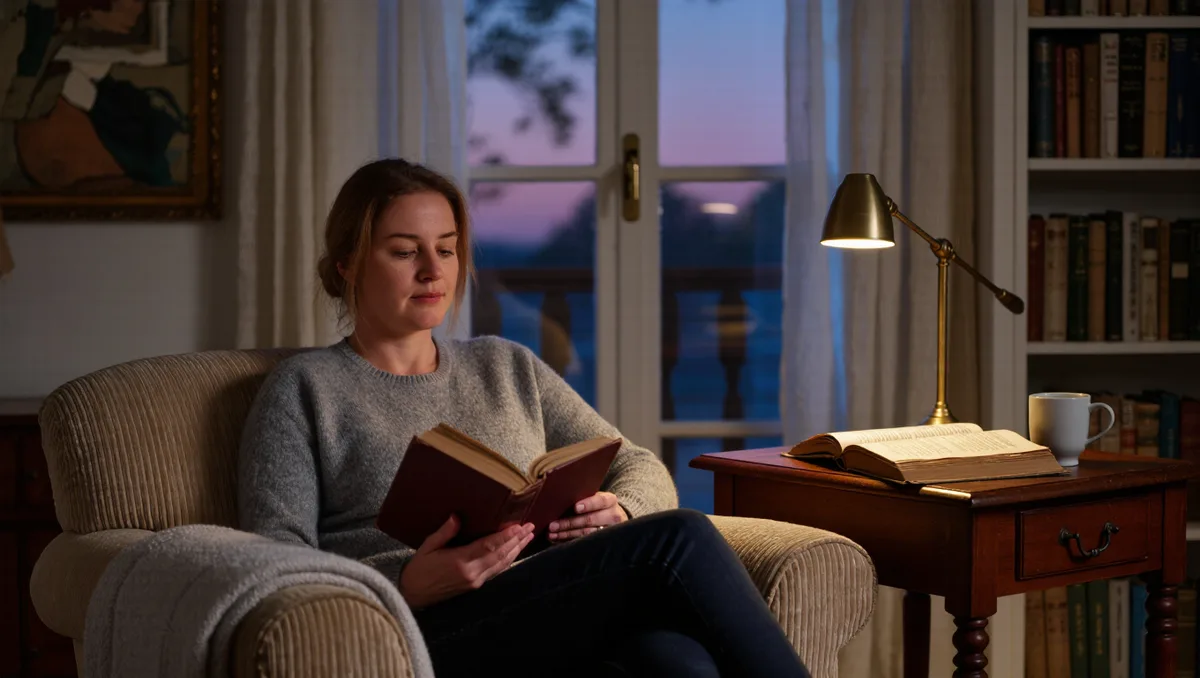
Early also means you can build it into an existing routine rather than bolting it onto a busy evening. Families who already set aside quiet reading time have an easy hook: the letter can be the writing companion to that reading. If you are still establishing such a rhythm, our piece on Building a Family Reading Ambience Routine shows how a regular calm hour makes any kind of childhood writing easier.
How do you set up the writing so the child leads?
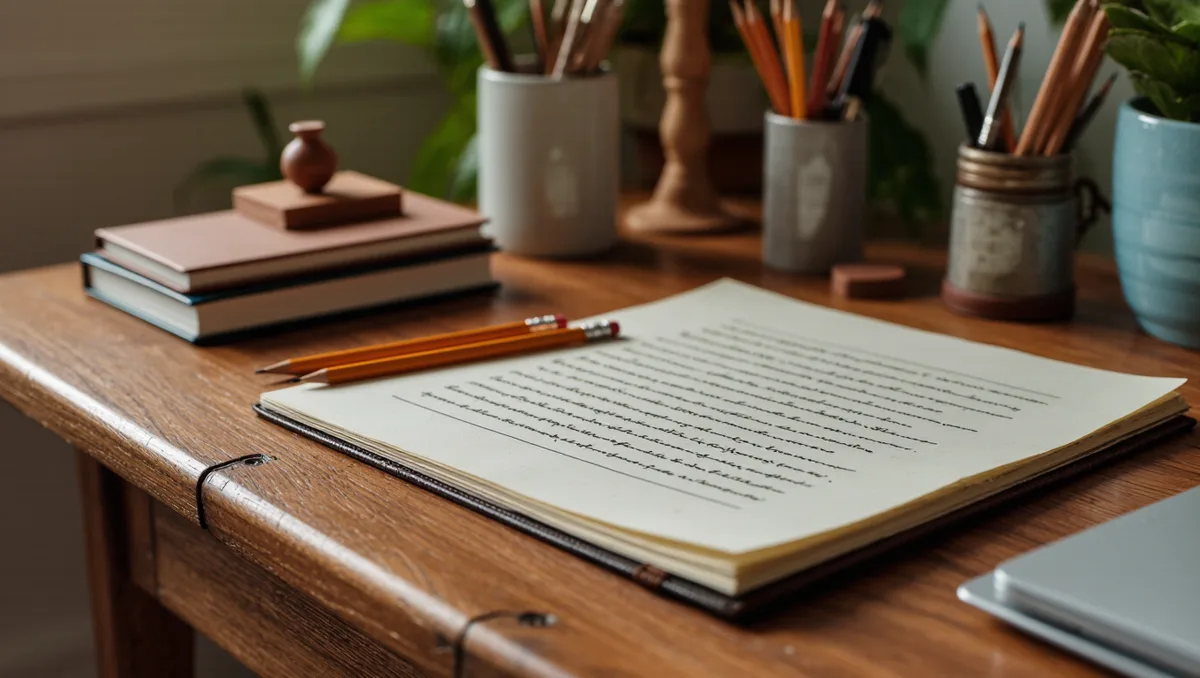
Give the child real materials and real ownership. That means paper they choose, a pencil or pen they choose, and a seat at the table without a parent hovering with an eraser. Before any drafting, talk it through: ask the child what they want to tell Santa about their year, not just what they want to receive. The answers to that first question are what turn a wishlist into a letter.
For children who freeze at a blank page, a light structure helps. Suggest three parts, in the child's own words:
- A greeting and a sentence or two about the year — school, a lost tooth, a new pet, a big feeling.
- The wishes, whether that is three toys or one long, rambling paragraph about a dinosaur.
- A closing — a thank-you, a question for Santa, a drawing of the reindeer.
Then step back. Correct nothing on the first pass. If the child asks how to spell a word, spell it; if they don't ask, let it stand. The letter is a snapshot of exactly one child at exactly one age, and every correction erases a little of the snapshot.
Should you draft digitally or by hand?
By hand, for the keepsake itself — handwriting is the artifact. But digital drafting has a real place, especially for kids who compose faster on a keyboard or who want to revise without tearing pages. A free browser tool works fine for this stage. According to Online Notepad, its browser-based editor requires no registration, saves drafts automatically every second, and stores everything locally on the device rather than on a server — which makes it a low-friction way for a child to draft, delete, and redraft before the final copy goes onto paper.
The two-stage approach has a bonus for parents: the digital draft is itself a record. Keep it alongside the handwritten version and you have both the process and the product. What this means practically is that the typing stage becomes part of the fun rather than a shortcut — a child can read their draft aloud from the screen while copying it in their best hand.
What makes a letter worth saving for decades?
Specificity and voice. The letters families treasure are never the polite generic ones. They are the ones where a five-year-old asked Santa whether his elves get tired, or explained, at length, why this was definitely the year for a puppy. When you prompt your child, push gently toward the particular: not "I want toys" but which toy, and why that one, and what they would do with it on the first morning.
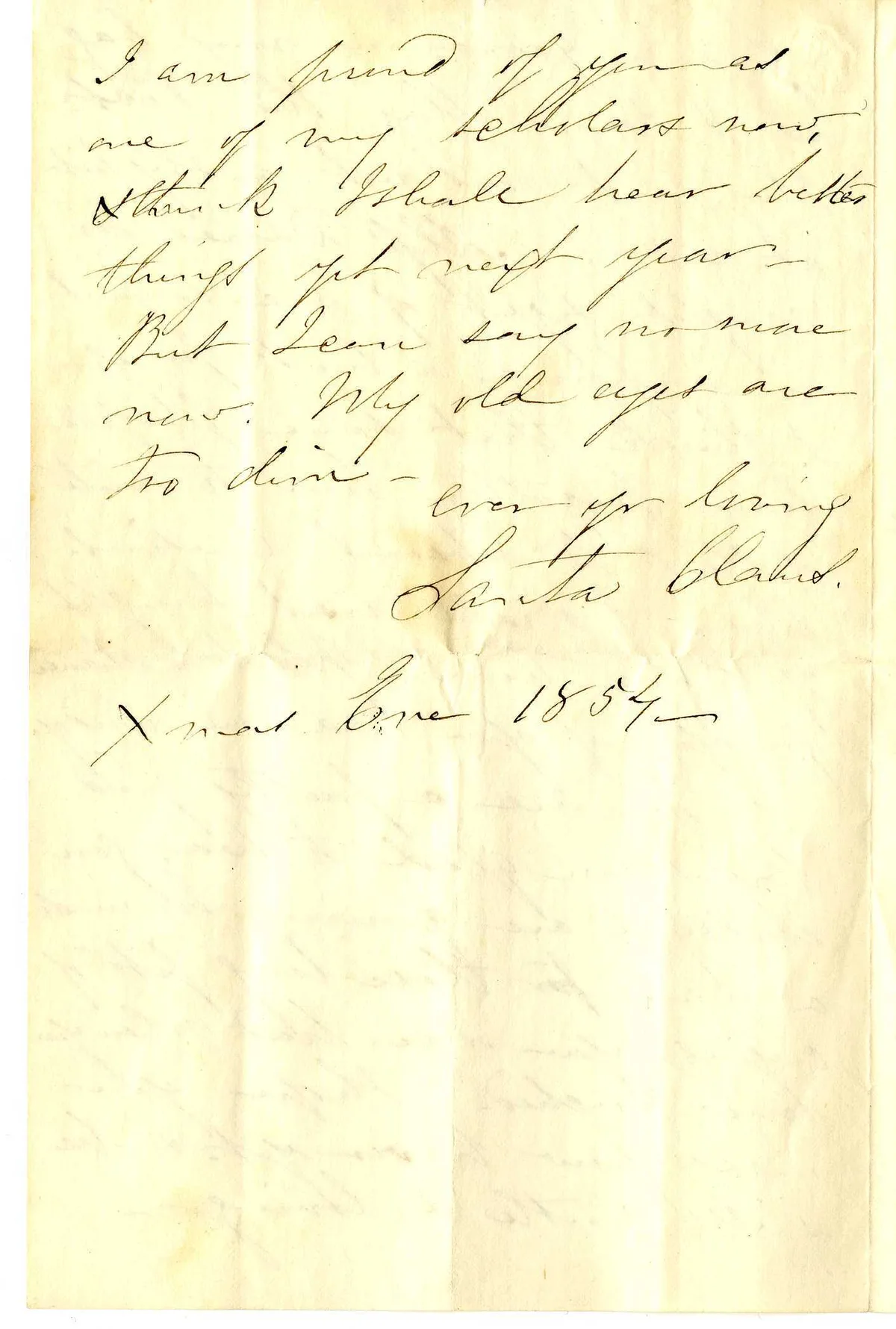
Date the letter. Have the child write the year prominently, or add it yourself in a corner in pencil. An undated keepsake loses half its power; a dated one becomes a marker on a timeline. If you keep a family archive of any kind — a box, a binder, a folder — the letter goes in with the year visible.
One more habit worth stealing from serious readers and writers: read the letter aloud together before it is "sent." Children hear things in their own writing that they don't see, and the read-aloud turns the letter into a small performance the family shares. It also gives the child a natural chance to add the one thing they forgot.
How do you preserve the letter properly?
Preservation is mostly about three enemies: light, acid, and loss. Keep the original out of direct sunlight, which fades pencil and ink alike. If you want it to last generations, move it eventually into an archival folder or box — the kind sold for documents at stationery and archive suppliers — rather than a sticky photo album, whose adhesives yellow paper over the years. Make a photocopy or a scan first, so the original can be stored flat and rarely handled while copies circulate at holiday time.
Consider the ritual of rereading. Some families open the old letters together each December and read one per year of the child's age; others wait until a child is grown and hand over the whole bundle at once. There is no single right way. The only wrong outcome is the common one: the letter gets mailed, or pinned to a fridge, and quietly thrown away in a January tidy-up.
Our analysis, after watching how families handle documents like these: the treasured letters are the ones that were treated as writing from the start — dated, drafted, read aloud, and filed — not as a holiday chore to be disposed of. The letter is your child's first real correspondence, maybe their first real composition. Give it the respect you would give a first poem, and it will repay it for decades.
A closing thought on small family texts
At Santa Post we spend most of our pages on demanding books — on How to Read the Book of Job, on Augustine, on translation puzzles. But the reading life begins in documents far smaller than any of those, in the notes and lists and letters a family produces without thinking of them as literature. A child's letter to Santa belongs to that same lineage: an earnest text, written for an audience, kept or lost by the adults nearby. Keep it. Someday it will be among the shortest things you own and the hardest to part with.