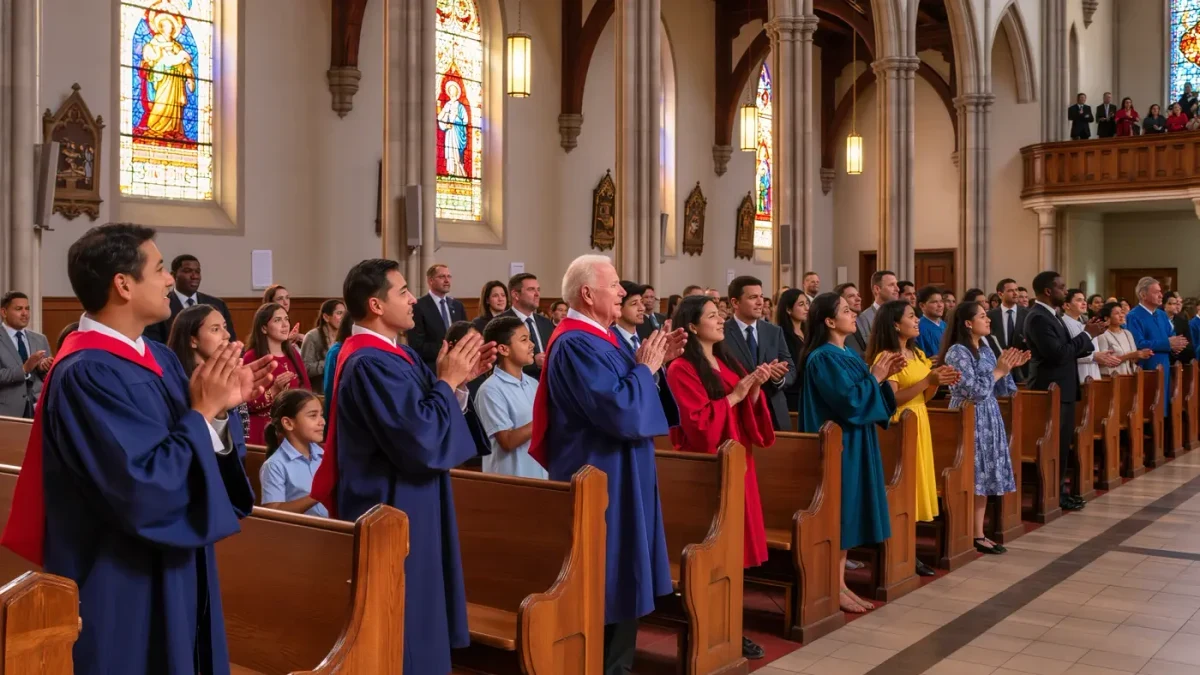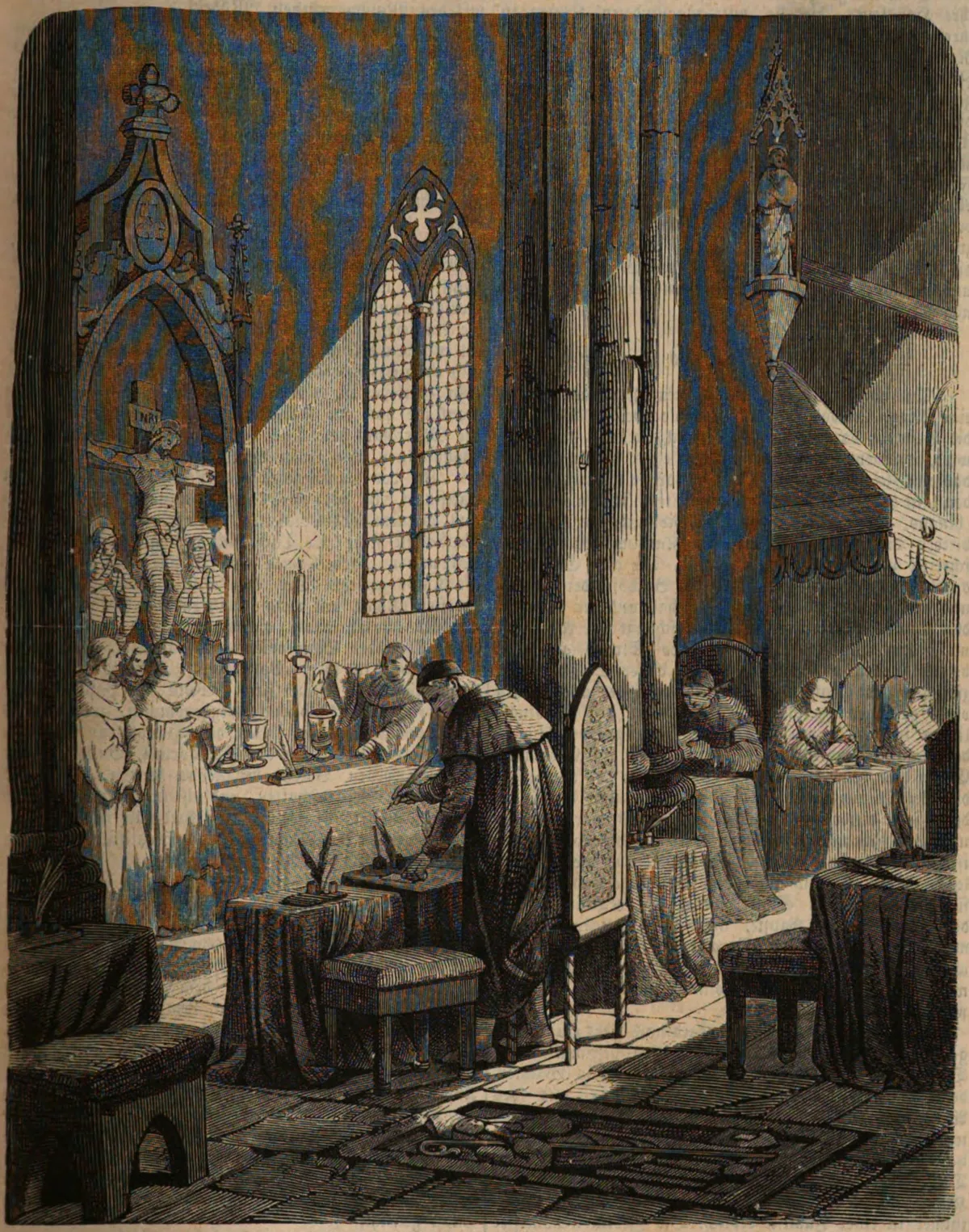
When a pope dies or resigns, the Catholic Church begins one of its oldest rituals. The world watches a chimney above a small chapel, waiting for smoke. Inside, cardinals follow a rulebook refined over centuries, a process that is at once fixed in its steps and deliberately silent.
This guide walks through the process as it works today, from the empty seat to the white smoke, following the procedures the Church has written down for its electors.
When the Seat Becomes Empty
A conclave is a gathering of the College of Cardinals convened to appoint the pope, whom Catholics consider the apostolic successor of Saint Peter and the earthly head of the Church, according to the standard reference on the papal conclave. Death is verified by the cardinal camerlengo, the chamberlain, who declares the seat vacant. The camerlengo takes the pope's ring, and the ring and the papal seal are later destroyed, a symbol that the reign has ended.
During the vacancy, day-to-day matters pass to a small congregation of cardinals. By tradition the pope is buried within four to six days, and nine days of official mourning follow. The congregations also set the date the conclave itself will begin.
Who Gets to Vote
For most of the first millennium, popes were chosen by the consensus of local clergy and people. In 1059 the College of Cardinals became the sole body of electors. Since a reform by Pope Paul VI in 1970, only cardinals under eighty years of age may vote.
The rules in force today come from Pope John Paul II's 1996 constitution, with later amendments by Pope Benedict XVI. Electing a pope requires a two-thirds supermajority, a high bar meant to force broad agreement rather than a narrow win.
Locked In, by Design
The word conclave comes from the Latin for 'with a key.' After the papal seat sat vacant for nearly three years in the thirteenth century, Pope Gregory X decreed in 1274, according to the standard account, that the electors be locked in seclusion until a pope was chosen.
Modern seclusion is technical. Cardinal electors lodge in a purpose-built residence in Vatican City and vote in the Sistine Chapel. Newspapers, radio, and television are barred, Wi-Fi access is blocked, wireless jammers guard the chapel, and electors surrender their devices. Breaking the oath of secrecy carries excommunication. Before voting begins, the master of papal liturgical celebrations calls all outsiders from the room and closes the doors.
The Voting, Step by Step
The conclave normally begins about fifteen days after the pope's death, and the window can stretch to twenty so distant cardinals can arrive. On the first afternoon, one ballot may be held. After that, up to four ballots are taken each day, two in the morning and two in the afternoon, each preceded by an oath. For related coverage, see Cardinals Gather in Rome for Leo XIV's First Extraordinary Consistory.
Each elector writes a name on a ballot, and the day moves through three phases: preparation, the counting, and the checks afterward. If the early rounds stall, the process pauses for prayer and an address by senior cardinals. After many stalled ballots, the field narrows to the two top names, who are no longer allowed to vote themselves.
Smoke, Bells, and a New Pope
The ballots are burned after each round. Black smoke, the signal since 1914, means no election; white smoke announces a new pope. Added chemicals sharpen the colors, and since 2005 the bells of Saint Peter's Basilica have confirmed the news.
Inside, the dean asks the elected man whether he accepts, and he is free to refuse. If he accepts and is already a bishop, he takes office at once. According to the same record, the new pope has chosen a regnal name since 533, and the senior cardinal deacon then proclaims him from the loggia of the basilica. We covered a connected angle in Western Massachusetts Episcopalians Consecrate Their First Afro-Latina Bishop.
Conclusion
The conclave blends the ancient and the administrative: Latin phrases and jammed phone signals, prayer and paper ballots. Its design assumes that haste makes poor choices and that pressure makes political ones. Lock the doors, slow everything down, and demand near-unanimity. The smoke, when it finally rises white, carries the weight of all that patience.