Essays
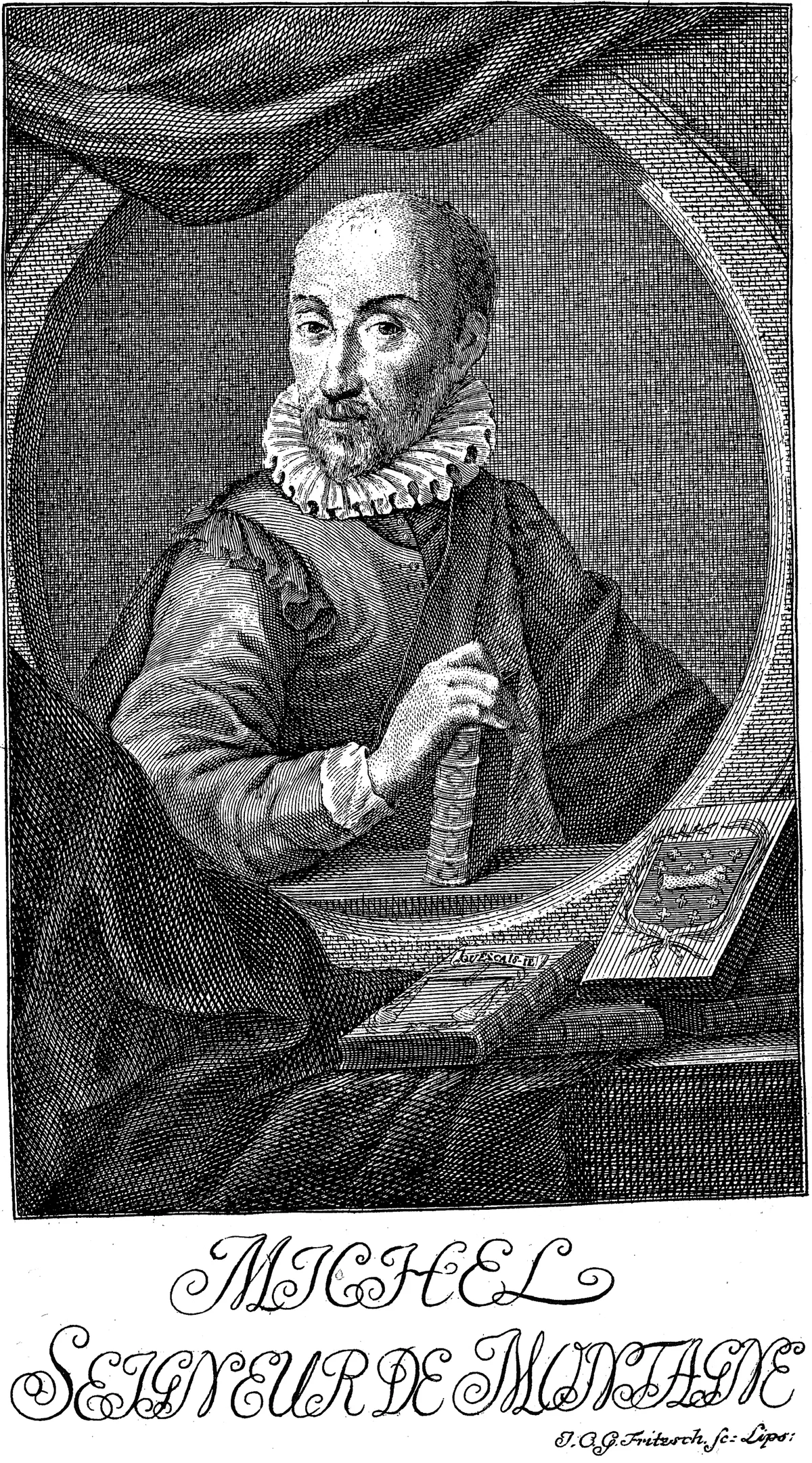
Montaigne's Essays: A Beginner's Road Map
Where to start with the man who invented the personal essay, without drowning in editions.
Extended essays on belief and its aftermath: doubt, grief, ritual, inherited tradition and the decision to stay or leave. Personal writing sits beside critical argument, and neither resolves the question for the reader. For people who read essays slowly and return to them.
Where to start with the man who invented the personal essay, without drowning in editions.
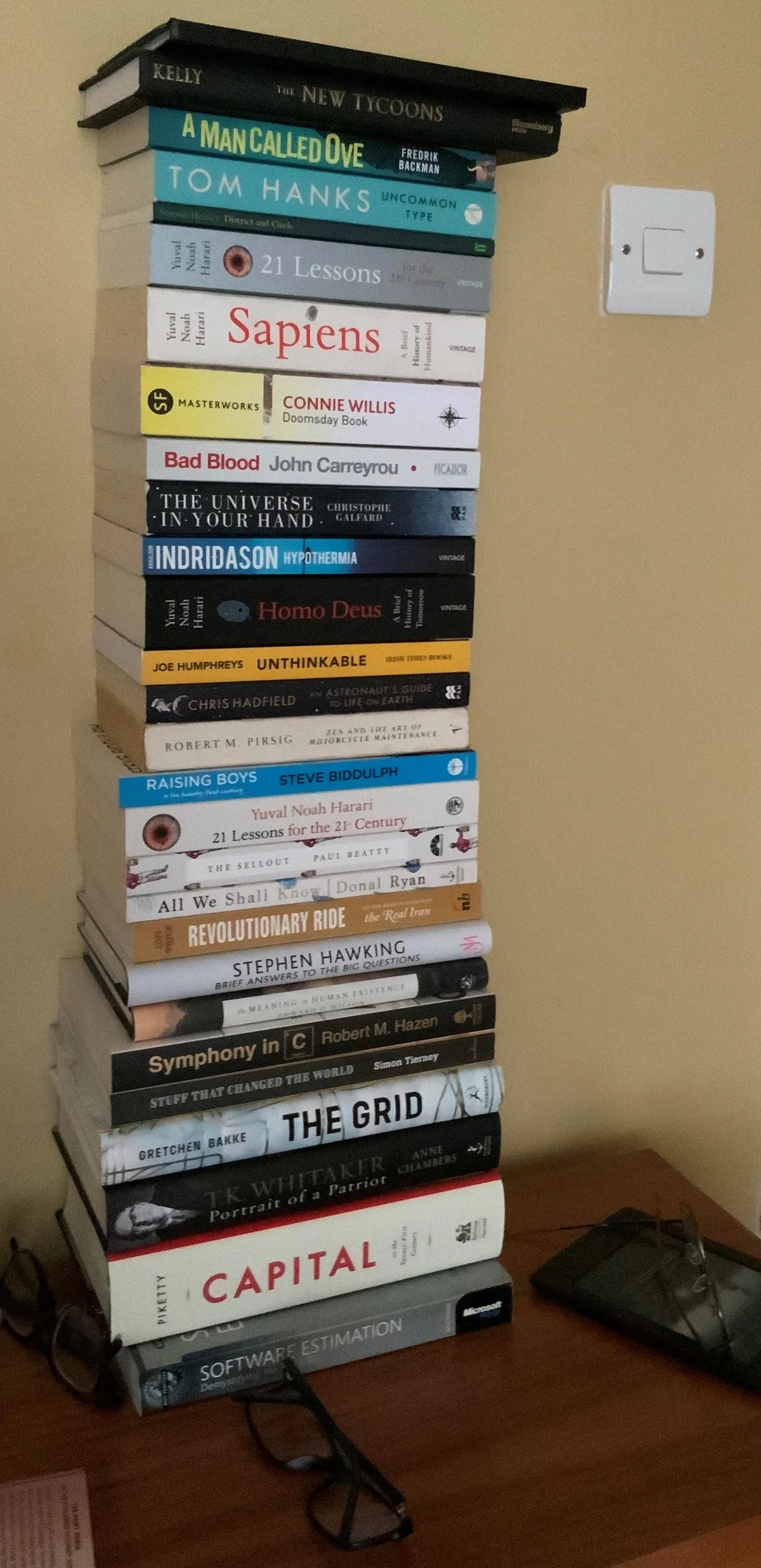
There is an old word for the pile of unread books, tsundoku, and a serious argument, the antilibrary, for why unread books may matter more than read ones.

Distance, passes, and the discipline of reading your own work as if a stranger wrote it.

Two centuries on, Charles Lamb's borrowed persona still teaches writers what the essay form is for.

The application essays that survive a long reading day share habits, not topics — and most of those habits are older than the application itself.
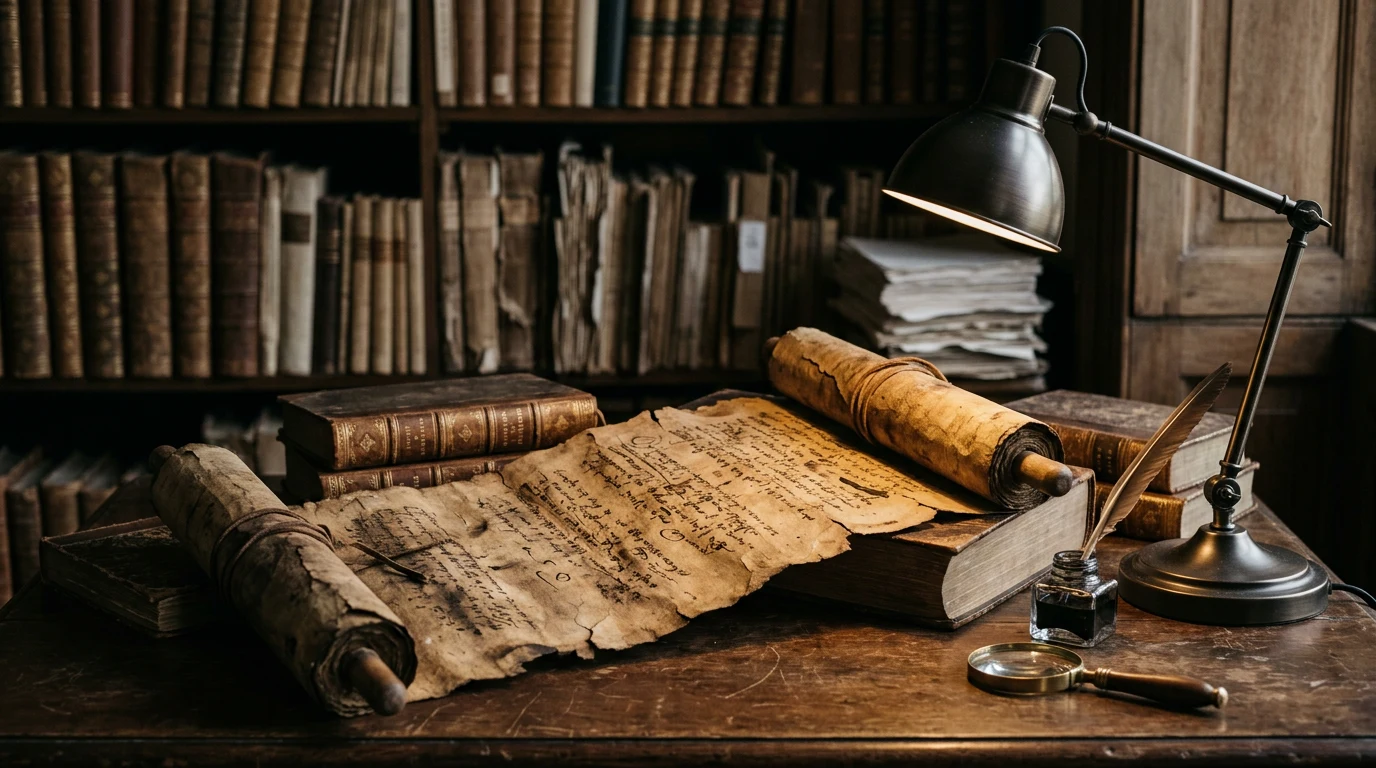
The Great Isaiah Scroll, found in a Qumran cave in 1947, let readers hold a Hebrew Bible text a millennium older than any known before it — and trace, jar to vault, how that survival was verified.

Lectio divina, four rungs, and a mouthful of text: a definition by way of Guigo II.
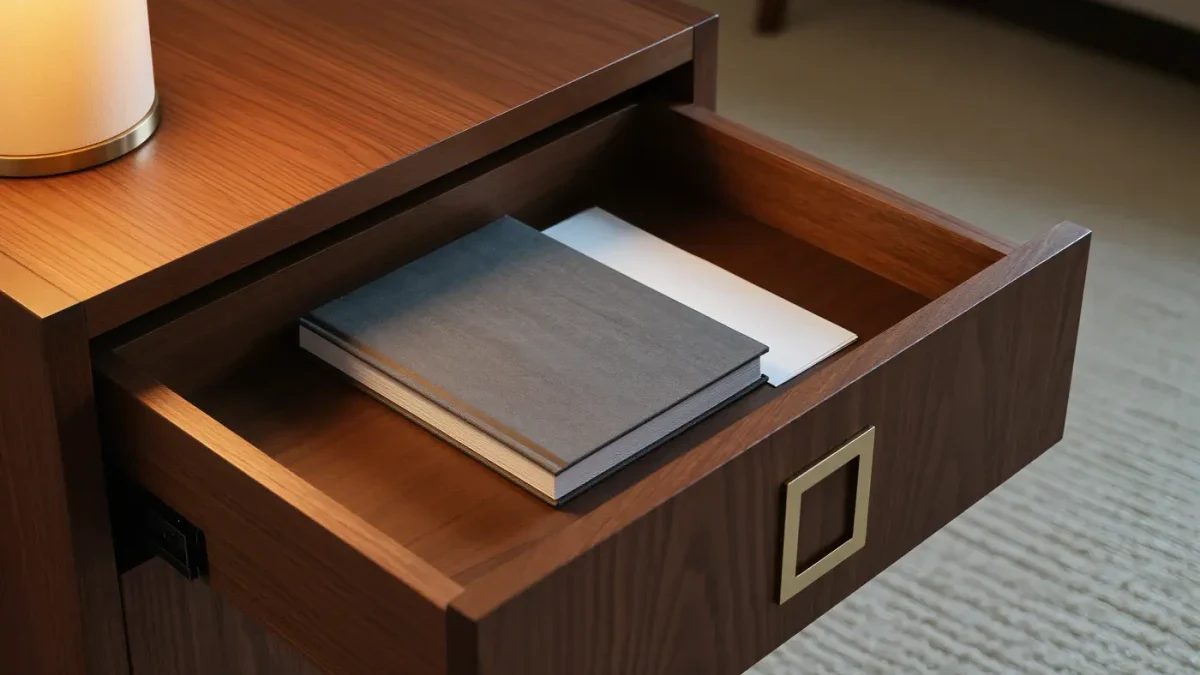
Founded by salesmen in 1899, the Gideons turned the hotel nightstand into the quietest library in the world.
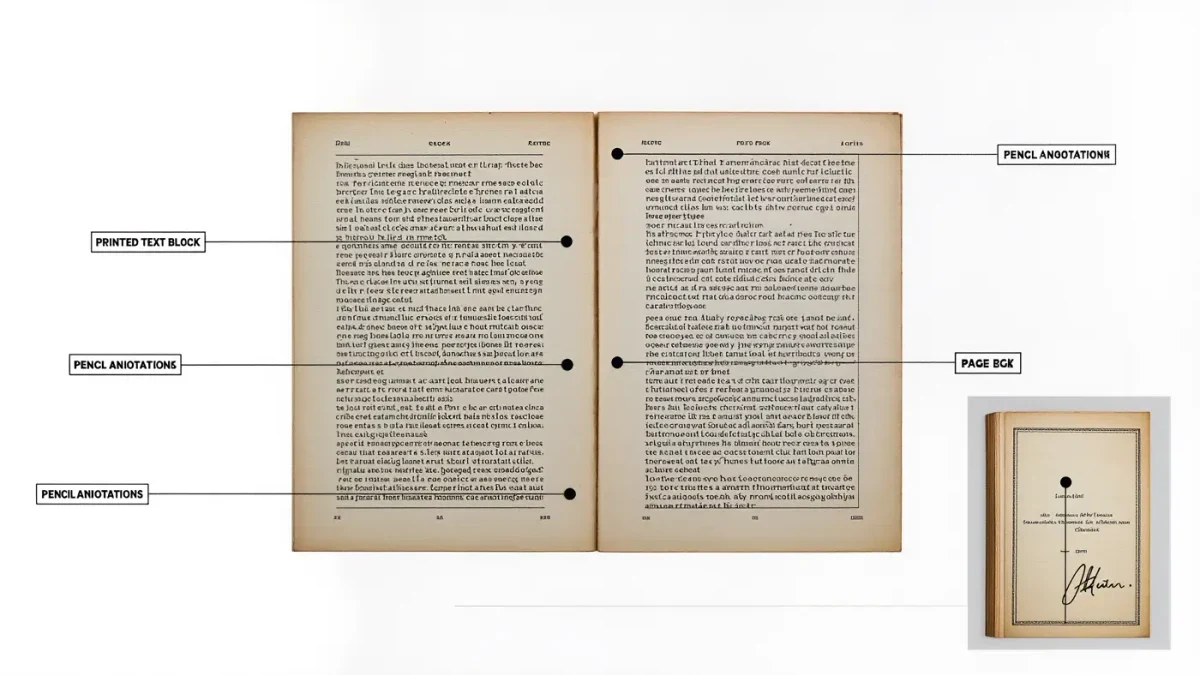
Glosses, colophons, inscriptions, pencil: the second text inside every used religious book.
Theology smuggled out of cell 92: Bonhoeffer’s Tegel letters and the idea he did not live to finish.