Essays
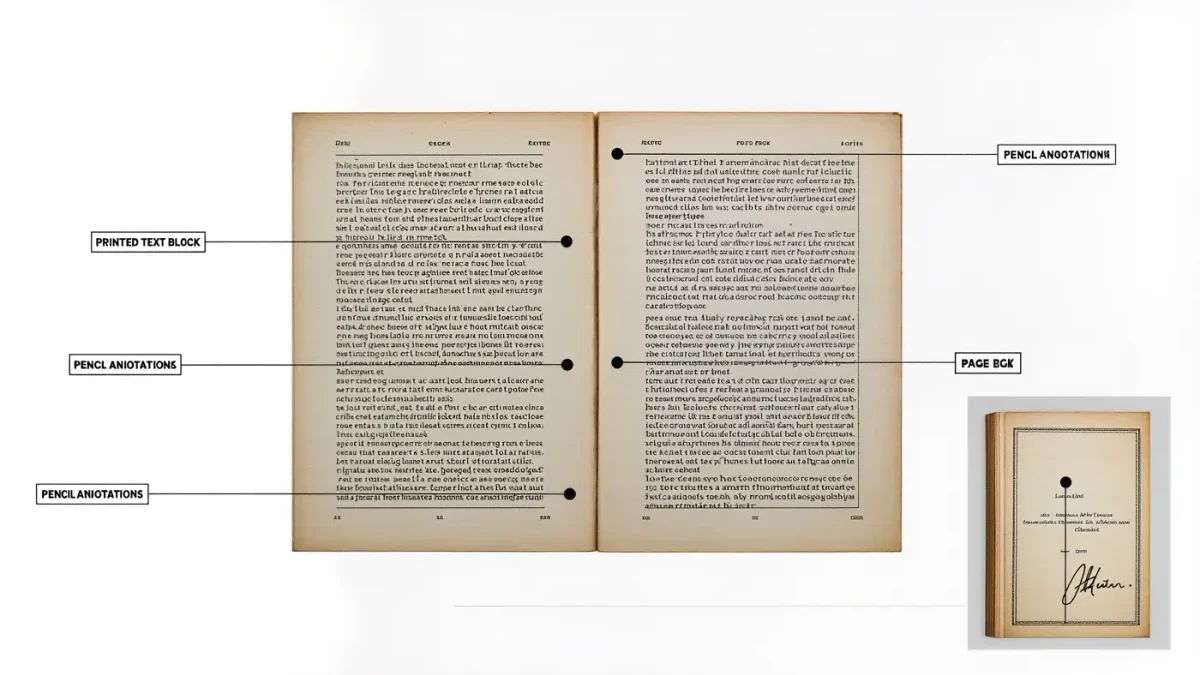
Other People’s Margins
Glosses, colophons, inscriptions, pencil: the second text inside every used religious book.
Extended essays on belief and its aftermath: doubt, grief, ritual, inherited tradition and the decision to stay or leave. Personal writing sits beside critical argument, and neither resolves the question for the reader. For people who read essays slowly and return to them.
Extended essays on belief and its aftermath: doubt, grief, ritual, inherited tradition and the decision to stay or leave. Personal writing sits beside critical argument, and neither resolves the question for the reader. For people who read essays slowly and return to them.
Glosses, colophons, inscriptions, pencil: the second text inside every used religious book.
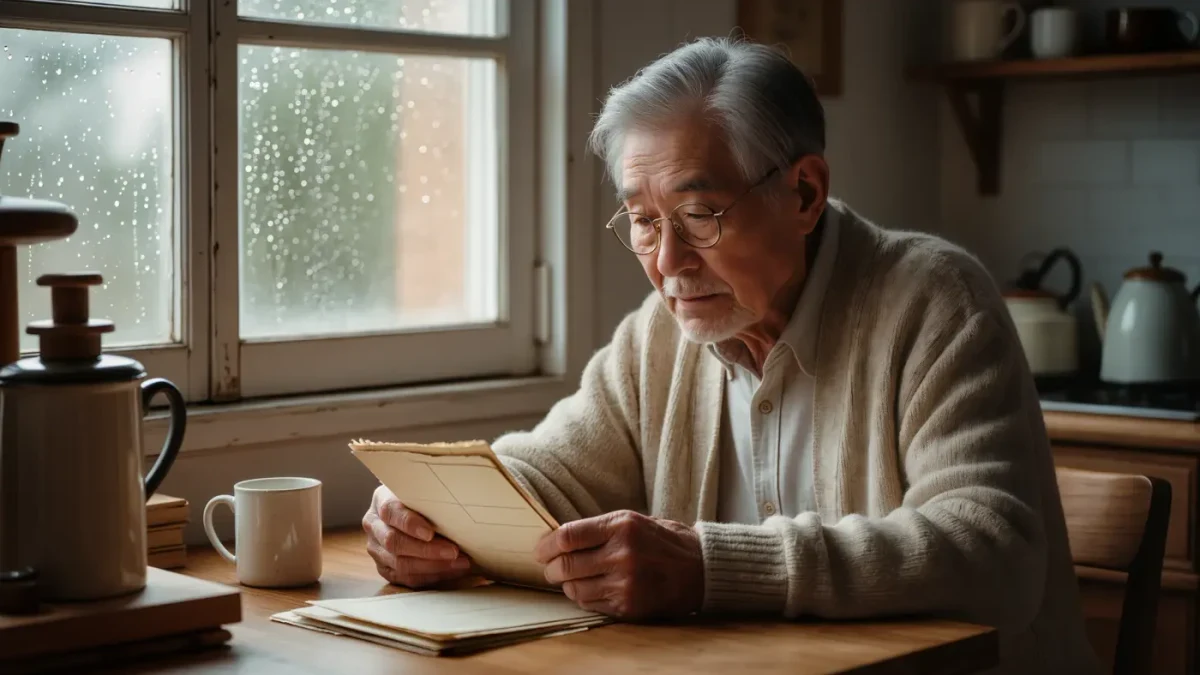
Theology smuggled out of cell 92: Bonhoeffer’s Tegel letters and the idea he did not live to finish.
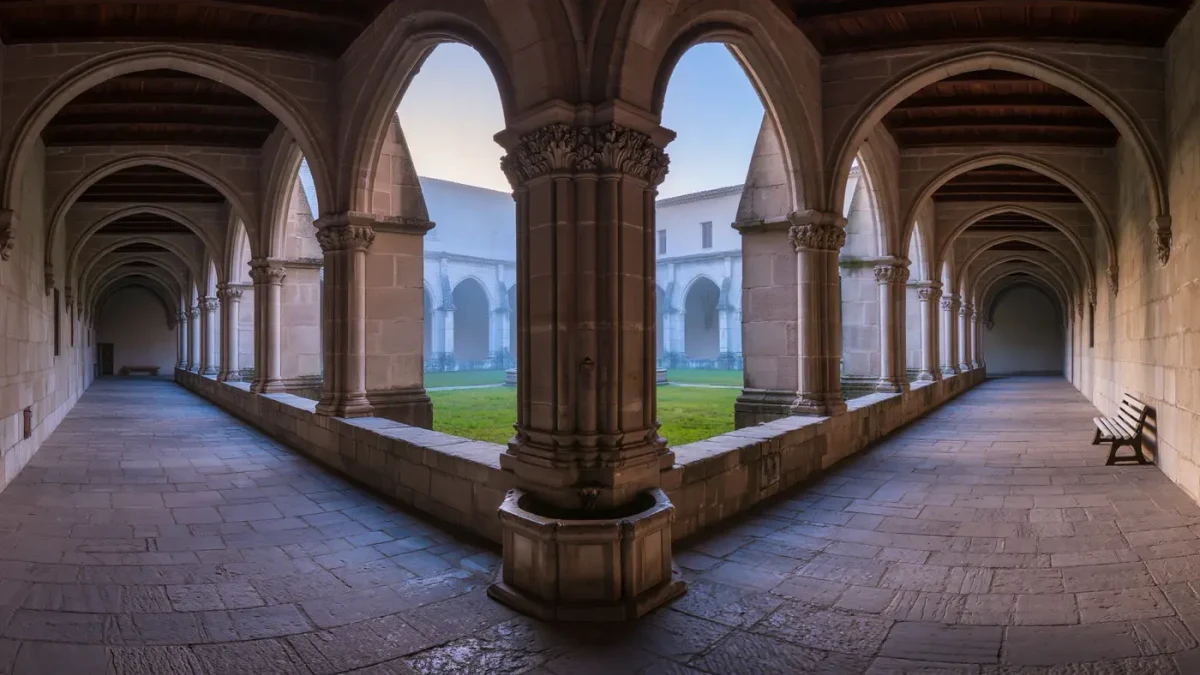
A Protestant poet among Benedictines, and what years of psalms at fixed hours do to a writer’s ear.

Thirty-six years of private entries by a UN Secretary-General — a White Book of negotiations with himself and with God.

A college notebook of raw petitions, kept at Iowa in 1946–47, shows the theology before the fiction.
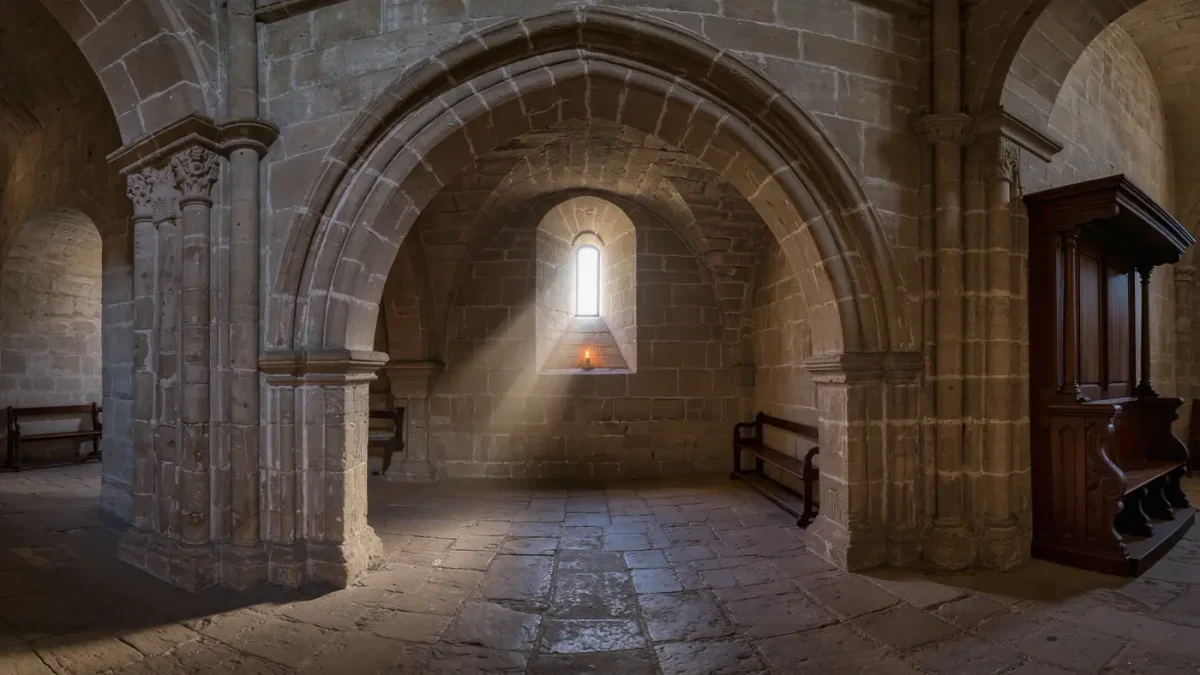
A hazelnut, sixteen showings, and a promise in the future tense — the first book in English by a woman whose name nobody wrote down.

Four school notebooks, a borrowed name, and the book in which Lewis priced his own consolations.