Illuminated manuscripts matter because they are the physical memory of everything copied by hand before print: each one a prepared animal skin worked by several hands, carrying text, gold and pigment on the same page. The Book of Kells (c. 800) and the Lindisfarne Gospels (c. 700) are the famous examples; most of their kin sit in libraries, increasingly digitized.
How Were They Made?
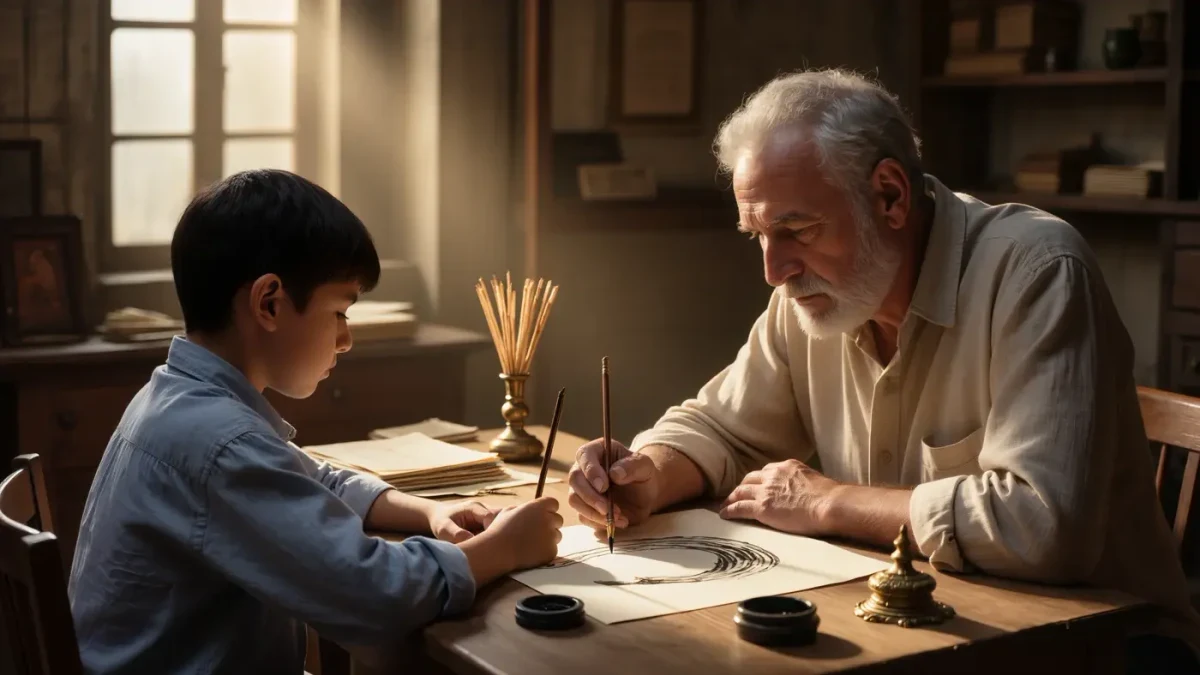
From skin, mostly. Parchment — calfskin, strictly called vellum, though sheep and goat hide served too — was soaked in lime, stretched, scraped and pumiced until it wrote clean. The scribe pricked guidelines, ruled the page and wrote with a cut quill; other hands added red headings, laid gold leaf on gesso, burnished it, and painted with egg-bound pigment.
The pigments traveled farther than most people in the workshops ever did. Ultramarine blue was ground from lapis lazuli mined at Badakhshan, in what is now Afghanistan, and could cost more than gold by weight; vermilion red came from cinnabar; greens came from malachite and copper resinate; a poisonous yellow from orpiment. Even the vocabulary of the scriptorium survives in English: “rubric,” the red chapter heading, is simply the Latin for red ochre, and “miniature” comes from minium, the red lead used to outline small paintings — it originally meant painted in red, not small.
What Are the Landmark Books?
The Irish Sea world's Gospel books are the starting points. The Lindisfarne Gospels, made around 700 on Holy Island, and the Book of Kells, made around 800 and linked to the Columban monasteries of Iona and Kells, push intertwined ornament to a density never repeated. Kells is kept at Trinity College Dublin, Lindisfarne at the British Library.
Birds, knots and script intertwine across those pages, in a hand the tradition associates with Bishop Eadfrith. The center of gravity later moved to lay workshops and aristocratic patrons. The bestseller of the late Middle Ages was the Book of Hours, a private prayer book whose calendars and devotions were customized for wealthy owners; its most extravagant example is the Très Riches Heures of Jean, Duke of Berry, painted by the Limbourg brothers and left unfinished at their deaths in 1416, now at the Musée Condé in Chantilly. Between these poles — monastic Gospel books and ducal luxury — lie centuries of psalters, chronicles, romances, herbals and law books, most of them illustrated to some degree, some of them barely at all.
Why Spend Gold on Written Words?
Because in these books the words were the subject. The most elaborated pages frame the moments the text mattered most — the opening words of each Gospel, the genealogy of Christ, whose Chi-Rho page in Kells swallows a page of ornament around one abbreviated word. Patrons paid for splendor as piety, and gold has not tarnished in eight hundred years.
There is also a plainer reason that has nothing to do with theology. Manuscript pages were made to be read by candlelight and daylight at close range; gold leaf catches whatever light the room offers and moves as the reader moves. It is a technology of attention as much as an offering — a way of marking where the eye should return.
Where Can You See Them Now?
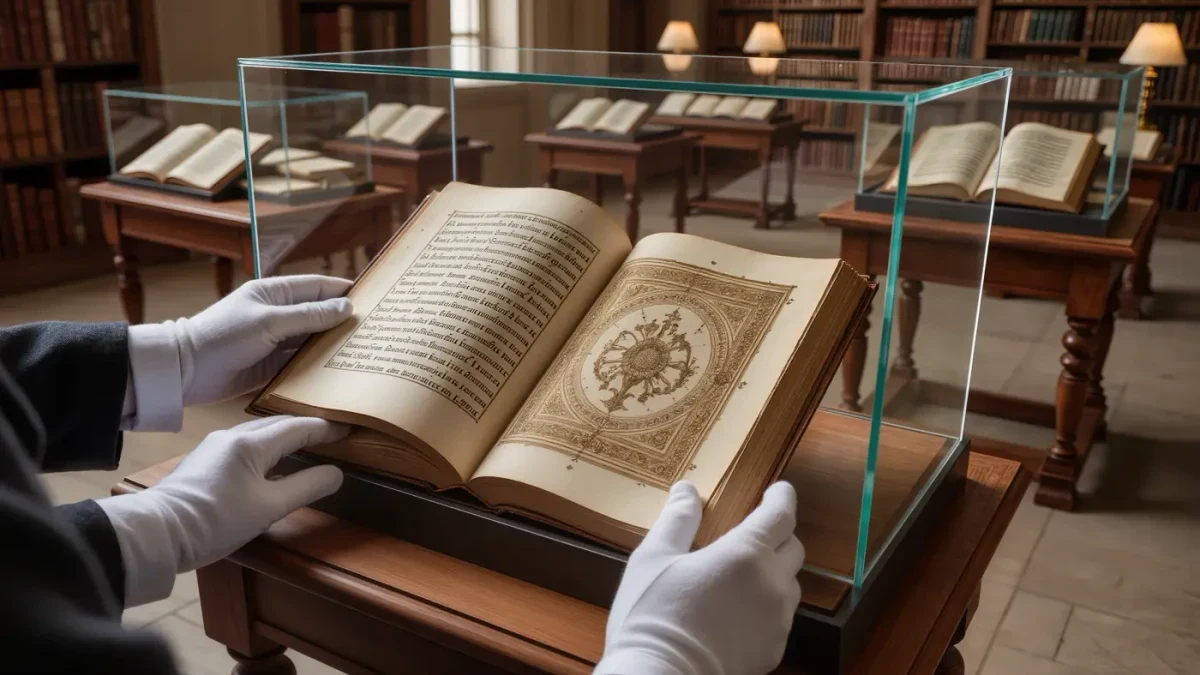
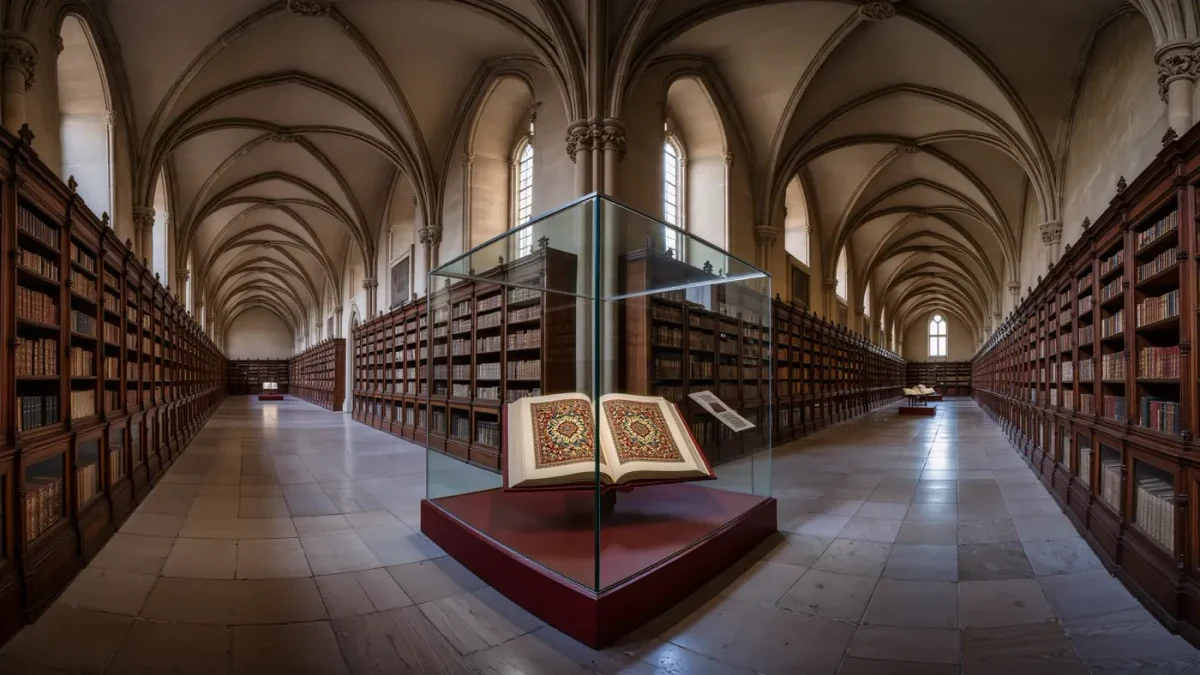
In person, under glass: Kells at Trinity College Dublin, Lindisfarne at the British Library, the Très Riches Heures at Chantilly. The fuller answer is a screen: the British Library's Digitised Manuscripts site, the BnF's Gallica, the Vatican's DigiVatLib, e-codices and the Library of Congress serve tens of thousands of volumes, page by page, free.
For every book on display, hundreds of lesser-known volumes wait in the stacks. Digitization is not a substitute for the object — the burnish of gold and the bump of gesso do not survive the scan — but it does something the locked cases cannot: it lets you turn the pages at reading speed, compare recto with verso, and see books that no exhibition will ever display side by side. For a tradition that was always about the movement of the reader's eye across a page, that is a second life rather than a poor copy.
Frequently Asked Questions
Here are short answers to the questions readers send most: what “illuminated” actually means, whether all of these books are religious, how many survive, and why parchment outlasted paper. Each answer compresses a point developed above. None requires specialist vocabulary to follow.
What does “illuminated” mean?
It refers to light: a page is illuminated when gold or silver leaf is applied so that it shines by reflected light. The word was already used by medieval scribes for painted and gilded books, and it stuck to the whole tradition.
Were all illuminated books religious?
No, though most surviving ones are, because churches were the most durable keepers of books. Secular manuscripts — romances, chronicles, herbals, legal and medical texts — were illuminated too, and the luxury end of that trade, like the Très Riches Heures, was made for lay aristocrats.
How many manuscripts survive?
More than most people expect and far fewer than once existed: losses to fire, water, war, binding-scraping and simple neglect were enormous over a thousand years. No reliable total exists, and every count depends on what is counted as a book.
Why parchment rather than paper?
Parchment was durable, locally made and long-established. Paper, transmitted from the Islamic world into Europe by the later Middle Ages, was cheaper and common for everyday books, but prestige volumes stayed on skin into the age of print.