Museums keep sacred art because the institutions that commissioned it — parishes, monasteries, chapters — have proved less durable than the objects themselves. The Ghent Altarpiece, completed in 1432 for Saint Bavo’s in Ghent, has survived fire, looting and two world wars, and now stands behind armored glass in the building it was made for: half altarpiece, half museum exhibit.
Why Did Sacred Objects Enter Museums in the First Place?
Because church property kept changing hands. The French Revolution nationalized ecclesiastical property from 1789; the Louvre opened in 1793 filled with royal and church treasures, and Alexandre Lenoir’s Musée des Monuments français assembled sculpture from dissolved churches and monasteries into a secular pantheon of French art. Earlier still, Henry VIII’s dissolution of the English monasteries between 1536 and 1541 scattered refectory silver, vestments and panel paintings into private hands; much of what survives does so precisely because it left the church.
In the nineteenth century the traffic ran through secularization, revolution and urban renewal — suppressed convents, disestablished chapters, parishes demolished for boulevards. Museums collected the overflow: the South Kensington Museum (now the V&A, founded 1852), the Metropolitan Museum of Art (1870) and dozens of provincial siblings, while the young discipline of art history learned to narrate sacred objects as national patrimony.
Is a Museum the Same as a Church?
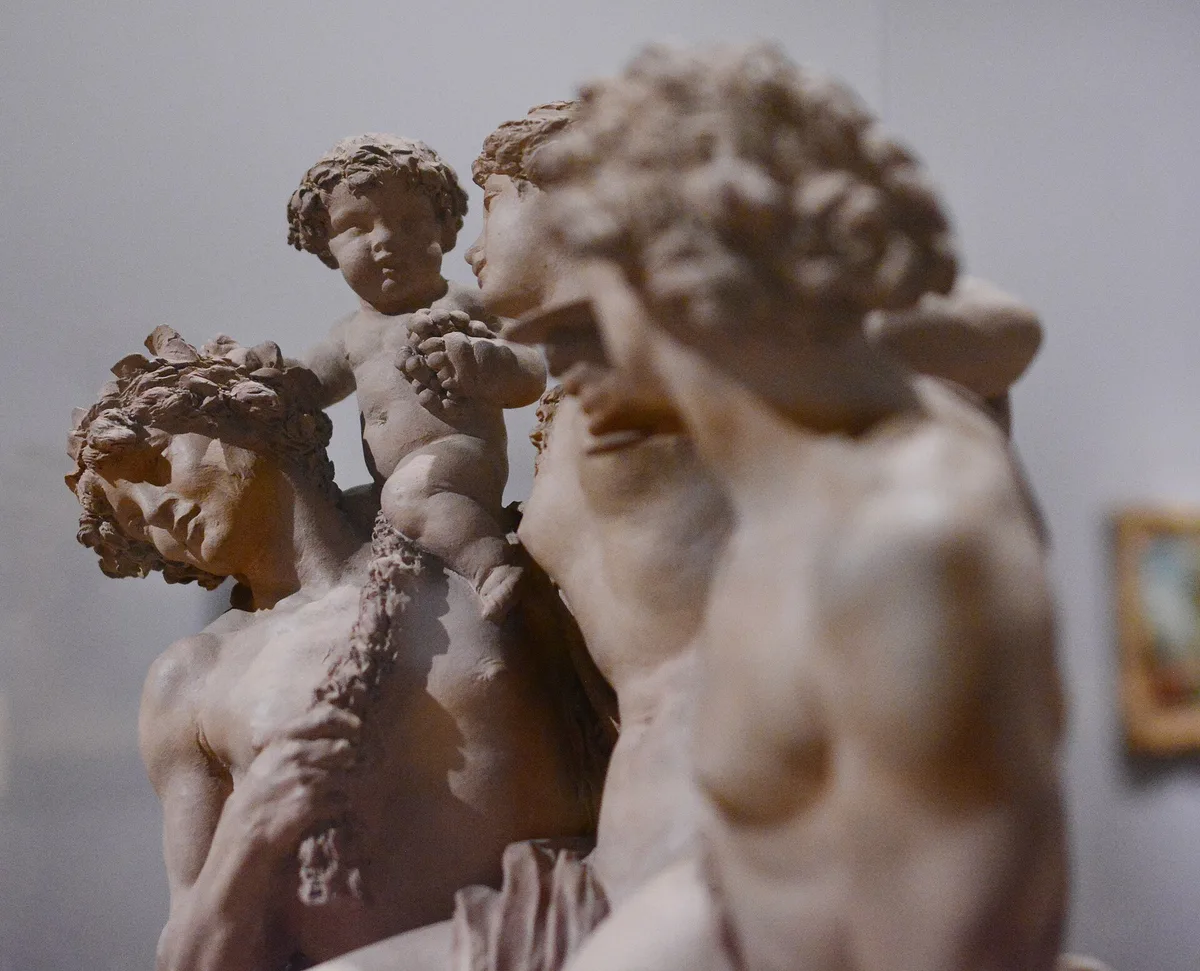
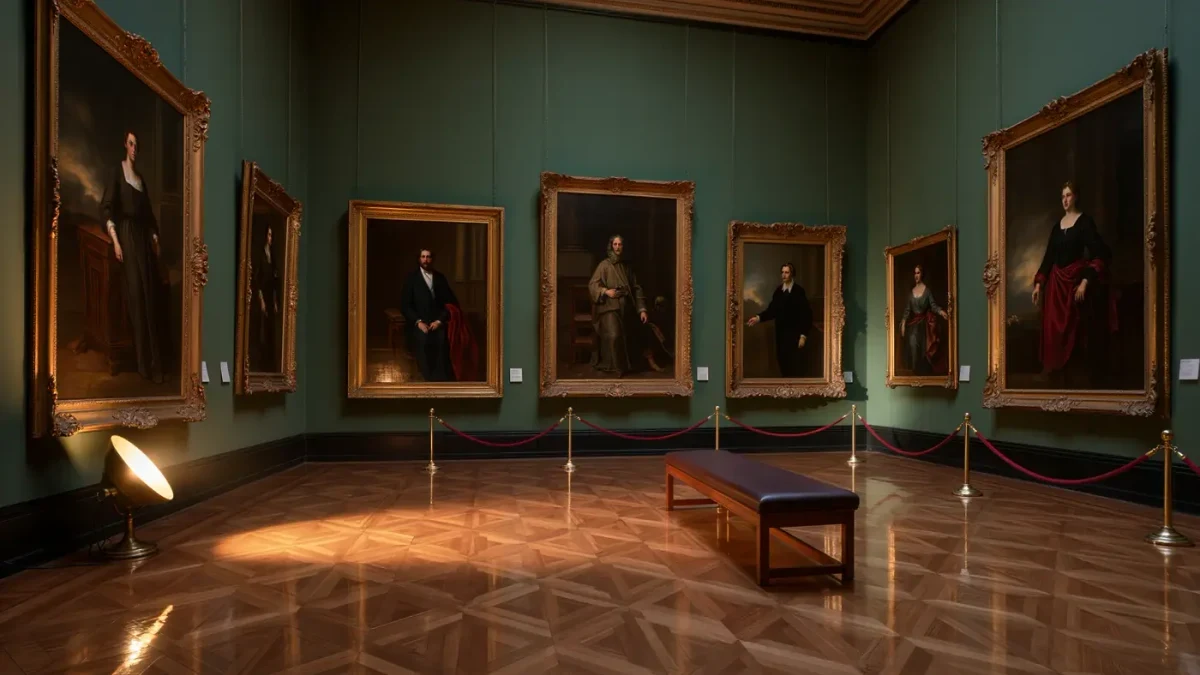
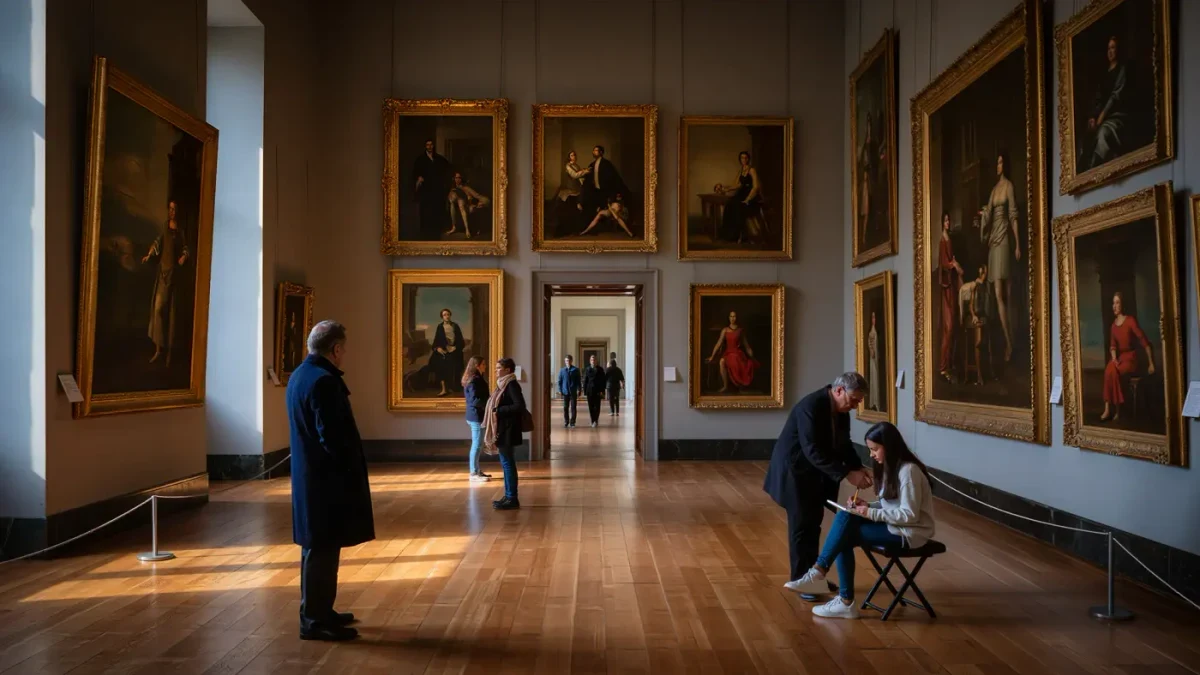
No, and the difference is functional before it is spiritual. A processional cross was built to be carried; an altarpiece to be opened and closed across the liturgical year; an icon to be kissed, incensed and darkened by candle soot. In a gallery the same objects hold still. What museums add — stable climate, controlled light, security, scholarship, free entry in many countries — is real. What they subtract is use, and even orientation: church objects faced east, while most gallery walls face whichever way circulation demands.
Between the two poles sit the cathedral treasuries — Aachen’s purpose-built treasury gallery is the model — which display plate and reliquaries inside buildings that still hold services, and pilgrimage chapels where objects never stopped being venerated. The arrangement a museum offers is custody; the arrangement a church offers is context. Most sacred art now lives in one or the other, and a growing number of objects have lived in both.
What Do Museums Owe These Histories?
Provenance — the documented chain of ownership from making to present — is now the core museum discipline for sacred art. For Nazi-era loot the reference point is the Washington Conference Principles of 1998, endorsed by forty-four governments, which committed institutions to identify suspect works and seek “just and fair solutions.” Claims continue to surface; each is a small, painful history of the years between 1933 and 1945.
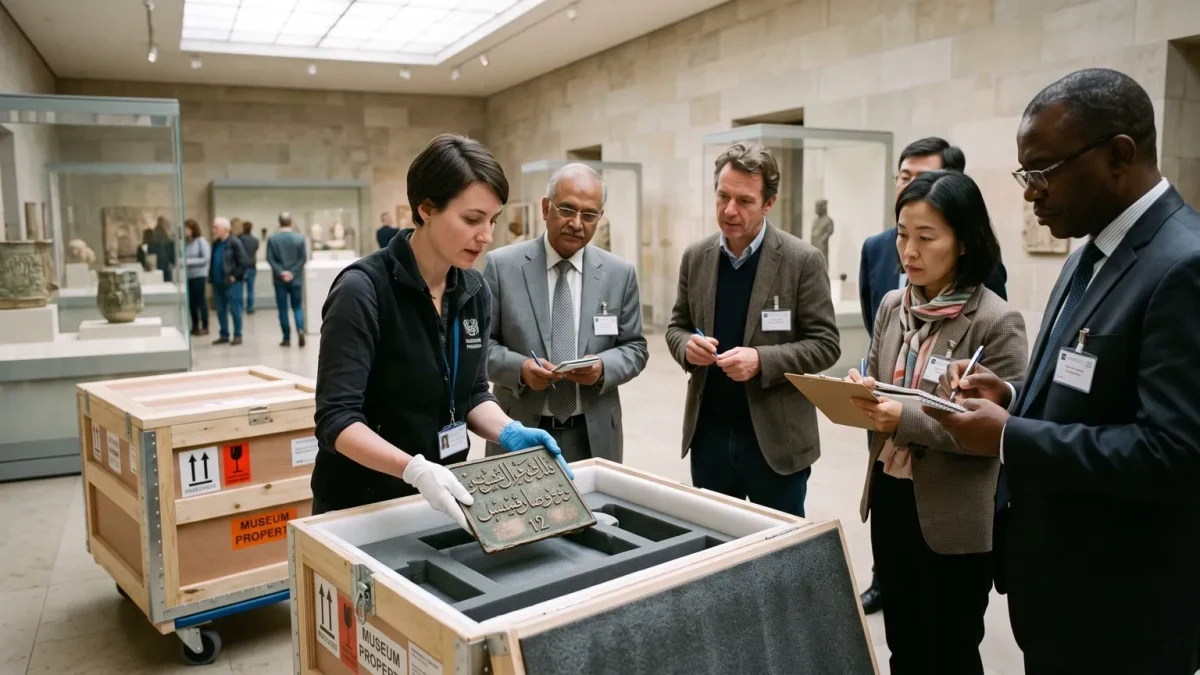
Colonial-era acquisitions raise harder questions, because the transaction was often lawful by the standards of its day and indefensible by ours. The Benin bronzes — royal and ritual objects looted from Benin City in the British punitive expedition of 1897 — became the test case: in 2022 Germany signed over ownership of more than a thousand bronzes to Nigeria, the Smithsonian’s National Museum of African Art returned twenty-nine, and the Horniman Museum in London transferred seventy-two. Some remain in the museums as acknowledged loans, their status renegotiated rather than settled once.
What Happens When Sacred Art Goes Back?
Restitution does not automatically mean display. Claimant communities decide case by case: some objects enter new institutions — a purpose-built museum for the bronzes has been planned for Benin City; some religious objects, from Torah ornaments to church plate, return to liturgical use and vanish from public view; some Indigenous items in the United States fall under the Native American Graves Protection and Repatriation Act of 1990, which orders museums to defer to descendant communities, including requests for restricted care and restricted access rather than exhibition.
The lesson the decade has taught is that custody is conditional. The question has shifted from whether an object can be kept to whether it can be kept responsibly — with its chain of ownership published, its periods of loss acknowledged, and its tradition consulted.
Frequently Asked Questions
Four questions recur in reader mail about sacred objects in secular collections; the answers above can be compressed as follows.
Do museums still buy sacred art?
Yes, but within tighter rules. Most major museums anchor acquisitions to the 1970 UNESCO Convention against illicit export of cultural property and require documented provenance; objects with gaps in their recent history are increasingly left alone.
What is provenance?
The documented history of an object’s ownership, from its creation to the present day. For sacred art it determines both market value and the ethics of keeping — which is why museums now publish what they know, including what they cannot establish.
Why not simply return everything?
Some originating communities no longer exist as institutions; some ownership chains are genuinely ambiguous after centuries; and claimants themselves often prefer loans, shared custody or continued museum care to a physical return. Restitution is a negotiation, not a conveyor belt.
Can an object be both venerated and exhibited?
It can, and cathedral treasuries prove it: objects under museum-grade conservation, inside buildings where services continue. The Ghent Altarpiece — altar piece, war survivor, visitor attraction — remains the honest emblem of that double life.