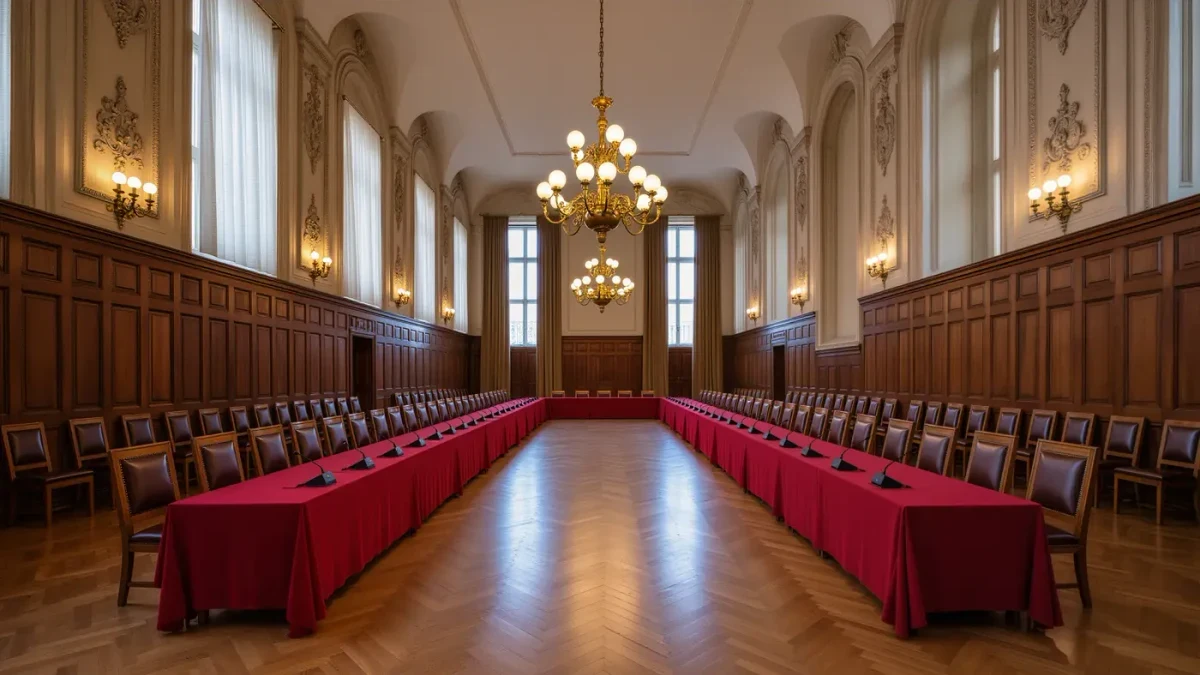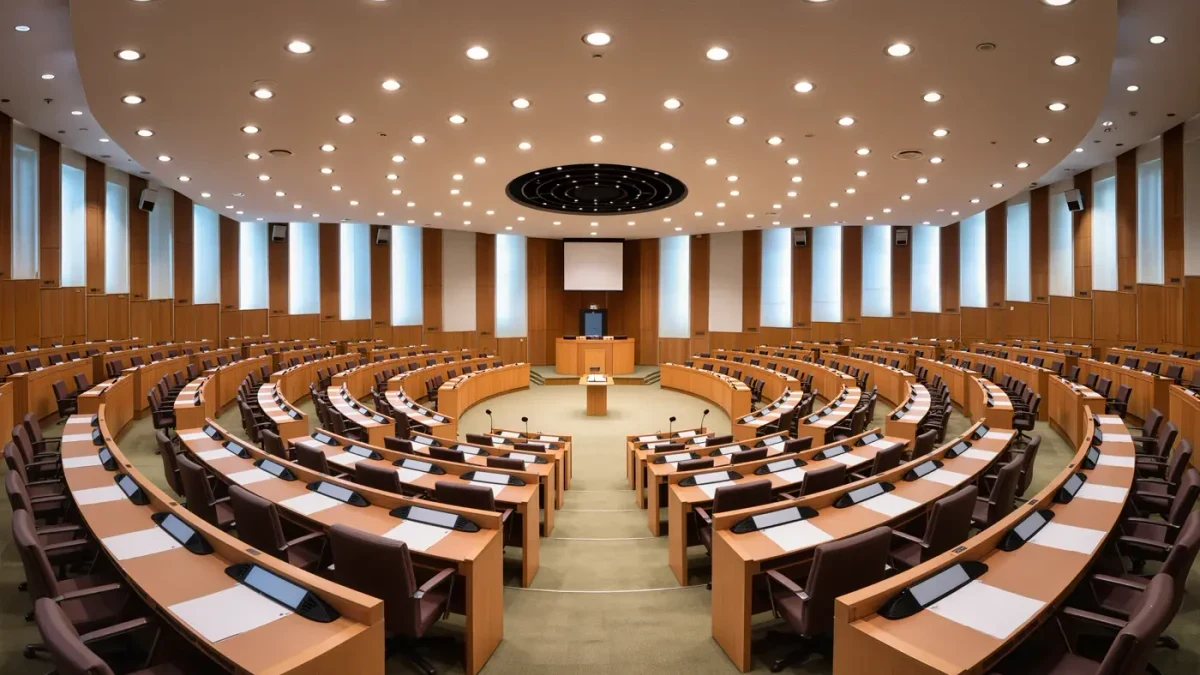
Pope Leo XIV convened his first Extraordinary Consistory on January 7 and 8, 2026, assembling the College of Cardinals in the Vatican's Synod Hall for three closed sessions on evangelization, the Roman Curia, synodality and the liturgy — the widest consultation of the cardinalate since his election in May 2025.
The gathering was confirmed by a Vatican statement on December 20, 2025. Per the program published by Vatican News on January 6, the cardinals met on the afternoon of January 7, then began January 8 with Mass at 7:30 a.m. at the Altar of the Chair in St Peter's Basilica before two further working sessions, the last running until 7:00 p.m.
In his opening address, the full text of which the Holy See published on January 7, Leo XIV framed synodality as an instrument of mission rather than an end in itself: the synod's raison d'être, he said, is to proclaim the Gospel. He described synodality chiefly as a discipline of listening and invited the cardinals to share responsibility for governing the universal Church.
The agenda before the hall carried five threads: the missionary character of Evangelii Gaudium, the apostolic constitution Praedicate Evangelium, the relationship between the Roman Curia and local Churches, synodality, and the liturgy. Per Zenit's report of January 7, the discussion concentrated on evangelization and synodality, while liturgical reform and any restructuring of the Curia were effectively left off the table — a sequencing choice that some Vatican watchers read as prudence and others as postponement of the most contested files.
Closing the sessions, the pope announced that a second Extraordinary Consistory would follow on June 27 and 28, 2026, and restored the practice of spiritual exercises for the cardinals, a common retreat that had fallen out of recent custom.
Why does a meeting that passed no laws matter? Because consistories of this kind are where a papacy shows its working. The January sessions committed the new pope to consultation as routine rather than exception, and the June gathering now arrives with expectations attached: whether liturgy and curial reform return to the agenda, and whether the listening Pope Leo has urged produces structures rather than sentiment. For readers who follow institutions, not personalities, that is the story to watch.