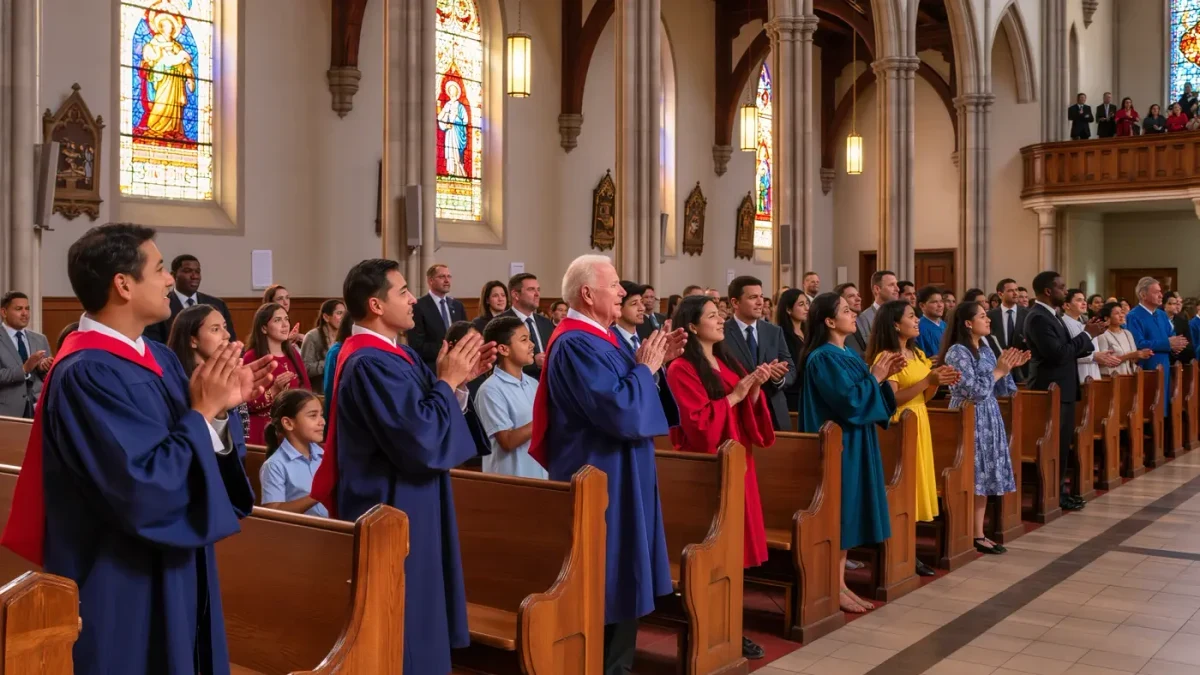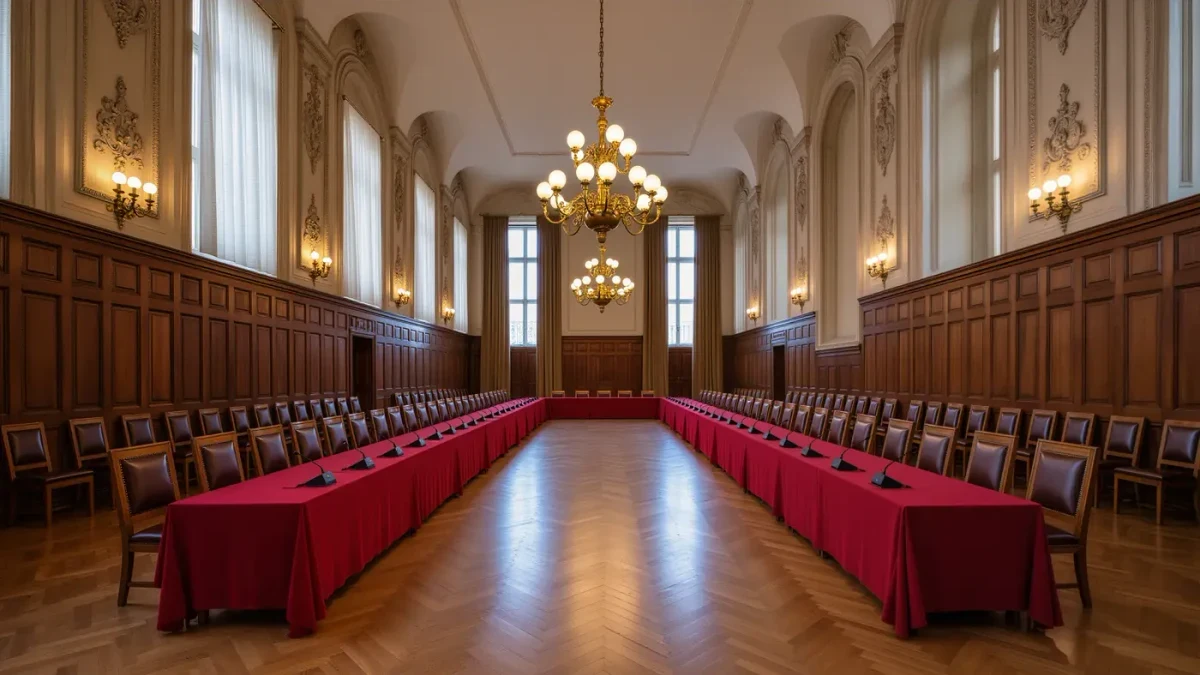
The Holy Synod of the Romanian Orthodox Church elected Bishop Antonie of Bălți as Archbishop of Chișinău and Metropolitan of Bessarabia on July 2, 2026, by secret ballot in Bucharest, Patriarch Daniel presiding — filling the Orthodox see in the Republic of Moldova vacated five weeks earlier by the withdrawal of Metropolitan Petru Păduraru.
The ballot carried the full style of the office — Metropolitan of Bessarabia and Exarch of the Territories — and was held in the Patriarch Teoctist Great Hall of the Patriarchal Palace. Antonie's opponent was Bishop Veniamin of Southern Bessarabia; both candidates had been put forward by the Metropolitan Synod of the Metropolis of Bessarabia, per the official press release.
The vacancy had come abruptly. Petru Păduraru, seventy-nine, who had led the Metropolis of Bessarabia for roughly three decades, submitted his resignation in late May 2026; the Holy Synod approved the withdrawal on June 3, citing the good of the Church, per Romanian and Moldovan media reports that also noted the controversy surrounding his departure. Metropolitan Teofan administered the church in the interim. The same July 2 session elected two auxiliary bishops for the Romanian diaspora: Maxim of the Danube for the Diocese of Italy, and Iachint of the Pacific for Australia and New Zealand.
The jurisdiction itself explains why the election drew attention beyond Romania. The Metropolis of Bessarabia is the Romanian Orthodox Church's structure in the Republic of Moldova, revived by the Bucharest patriarchate in 1992 after the collapse of the Soviet Union and claiming continuity with an interwar archdiocese. It has never been recognized by the Moscow Patriarchate, whose own Metropolis of Moldova — by far the larger body in the country — regards the territory as its own. Two Orthodox jurisdictions therefore run parallel parishes in the same state, a situation Moldovan law accommodated after long registration disputes. The new metropolitan inherits both a church and that unresolved coexistence, at a moment when Moldova's politics pull between Bucharest and Moscow.
Both sides of the dispute are long-standing and on the record: the Romanian Church treats the 1992 revival as the restitution of a canonical structure illegally dissolved under Soviet rule, while the Moscow Patriarchate considers the Moldovan territory part of its historical canonical territory and the Bessarabian metropolis an intrusion. SANTA POST takes no position between them; it notes only that an appointment made in Bucharest will be read in Chișinău and in Moscow as well.
Why it matters to readers: Orthodox governance has no single pope; each autocephalous church's synod elects its own bishops, and rivalries between patriarchates are fought through exactly such elections. Who leads the Metropolis of Bessarabia shapes the Romanian-language Orthodox presence in Moldova — clergy appointments, property, and the delicate balance of a country whose religious map still mirrors its twentieth-century borders.