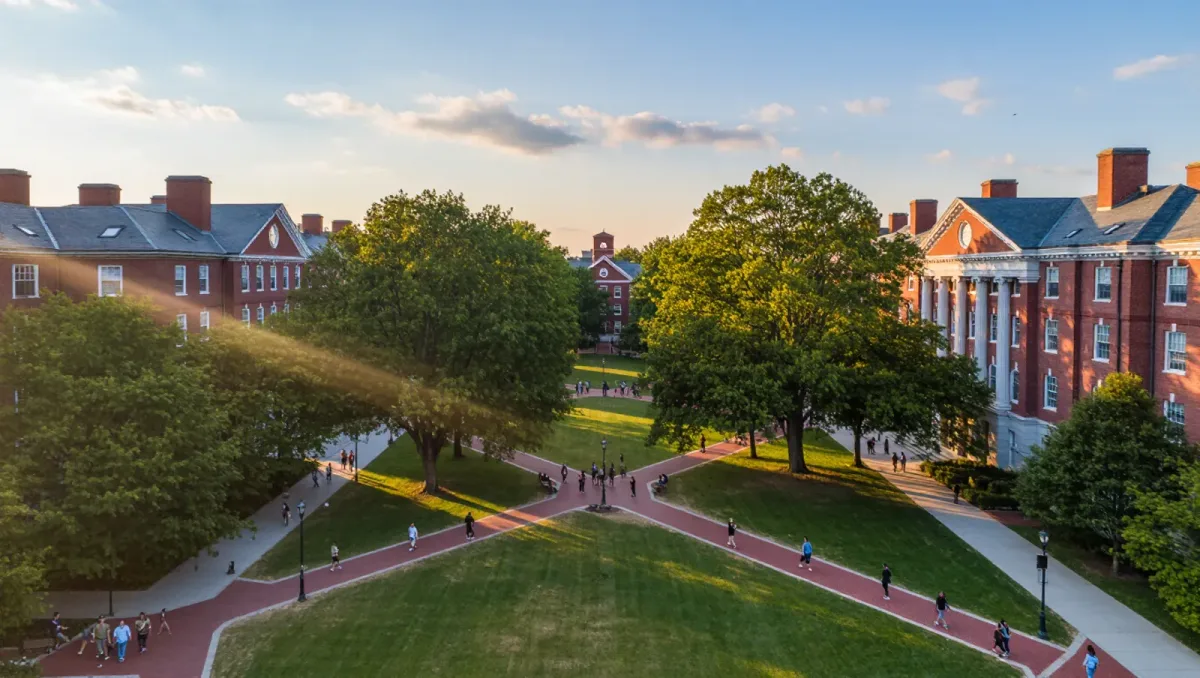
Phoenix Seminary announced on June 3, 2026 that it will donate its assets — including its four-acre campus in Scottsdale, Arizona — to Biola University and operate from August 2026 as Talbot Seminary Phoenix, a regional campus of Biola's Talbot School of Theology. The combined enrollment will exceed 1,800 graduate students, second among nondenominational seminaries only to Dallas Theological Seminary.
The numbers behind the decision are modest and legible. Phoenix Seminary enrolled roughly 300 students across five degree programs on revenue of about $5.5 million, down from 2022, with a $1 million budget deficit last year and about $3 million in assets, per Christianity Today's report. The school was founded in 1988 as a branch of Western Seminary, became independent in 1994, and moved to Scottsdale in 2017; its faculty has included the theologian Wayne Grudem, professor emeritus.
Both sides frame the transaction as consolidation rather than collapse. Phoenix's leaders first approached Biola in January 2026, after the board had weighed a merger for more than a year. Biola's president, Barry Corey, said the Arizona school wanted a partner with shared theological commitment; Phoenix board chair Ron Ogan called the process really Spirit-led and, pointedly, not a crisis in the making. All current faculty are expected to be offered positions, though staff cuts are anticipated. Talbot's dean, Ed Stetzer, noted that Biola gains an entire campus where it had already planned a hybrid-learning site under a $10 million Lilly Endowment grant.
The merger sits inside a larger actuarial story. Per Christianity Today, about half of the member schools of the Association of Theological Schools grew enrollment over the past two years after a decade of decline — and the consulting firm Huron has projected that 442 of roughly 1,700 private nonprofit colleges in the United States could close or merge within ten years. Seminaries, whose graduates often enter low-paying ministry and nonprofit work, face an additional squeeze from proposed federal funding changes.
Why readers should care: the economics of clergy formation decide who will be ordained, where, and at what cost. When a school closes, its region's pipeline narrows; when it consolidates, theological education grows more concentrated in large institutions with endowments and online platforms. The Phoenix-Biola transaction is a single, dated data point in that shift — chosen early, by a board that still had assets to give, rather than forced late by creditors.